
Can PPF Protect Against Door Dings, Key Scratches or Animal Scratches?
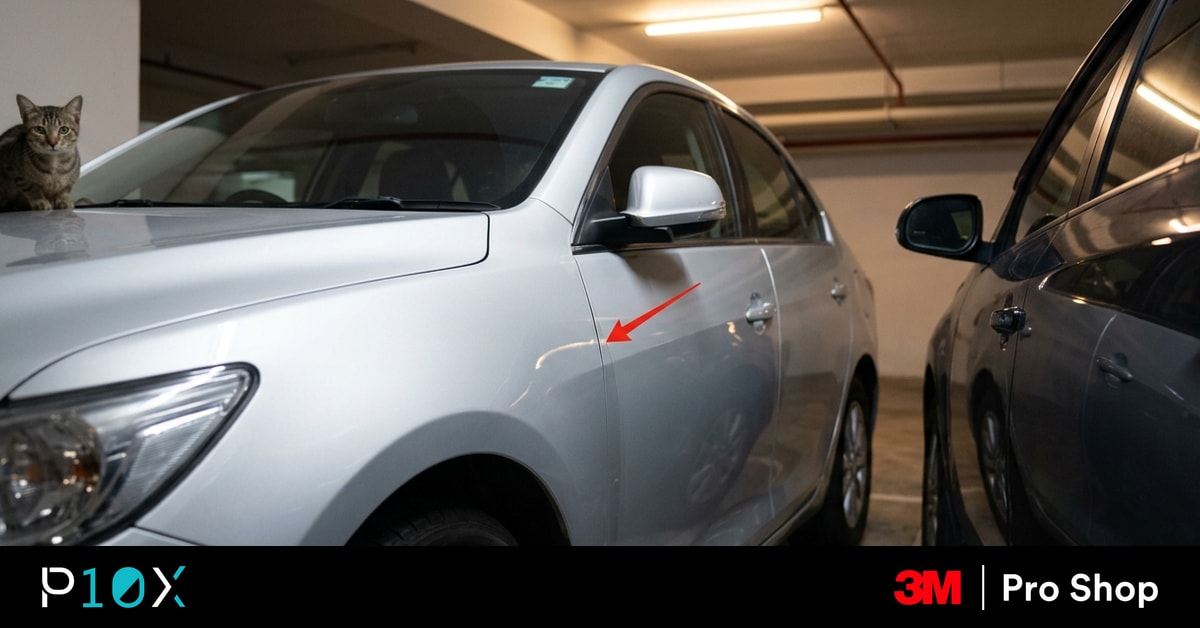
- PPF may protect paint from light scratches, scuffs and minor contact by taking damage first.
- Minor film topcoat marks may self-heal with warmth, but cuts, tears and dents do not.
- Deep keying, hard animal scratches and sharp door edges can penetrate the film.
- PPF protects only covered paint and cannot reinforce metal against a door ding.
- After an impact, rinse, photograph and inspect the area before using heat or polish.
Does PPF protect against scratches? Quality paint protection film can reduce paint damage from many light scratches, scuffs and minor contacts because it acts as a sacrificial layer. Minor film marks may self-heal. It cannot guarantee protection from forceful keying, hard animal scratches, sharp impacts or dents because the film can cut and the metal can deform.
For Malaysian owners dealing with tight condo carparks, keys around door handles, cats on warm bonnets or dogs jumping against doors, the useful question is whether the contact marks the topcoat, damages the film or reaches the paint and metal. This guide to PPF versus ceramic coating explains why a coating is not the same type of physical barrier.
What Scratch Damage Can PPF Actually Stop?
PPF is most effective against light surface scratches, swirl marks, small scuffs and minor road debris. It acts as a sacrificial layer, so the film takes contact before the paint. Protection drops as an object becomes sharper, heavier or more forceful. Deep gouges, punctures and dents can still occur.
The outcome depends on force, sharpness, contact angle, film condition, coverage and installation. A bag brushing a door is different from a key pressed into it. A clean paw is different from a claw carrying grit.
| Contact level | Likely film response | Paint and panel risk |
|---|---|---|
| Light mark | Topcoat may mark and recover | Paint is often protected |
| Moderate scuff | Film may remain scarred | Paint may survive if film stays intact |
| Deep gouge | Film may cut or puncture | Paint can be scratched |
| Hard impact | Film may stay intact | Metal can still dent |
Light Marks: Usually Self-Heal
Very light swirls may level out with warmth when limited to the film's topcoat. Keep the surface clean and follow sensible PPF maintenance in Malaysia instead of repeatedly polishing it.
Moderate Scuffs: Film Takes Damage
A trolley brush, bag buckle or neighbouring door may scar the film while the paint stays untouched. That is not automatically a failure. The film is replaceable, but the area still needs inspection.
Deep Gouges: Paint May Suffer
A sharp object under high pressure can cut through the topcoat, film and adhesive. PPF may reduce damage, but it cannot guarantee protection from deep keying or deliberate attack.
How Does Self-Healing Work on Light Marks?
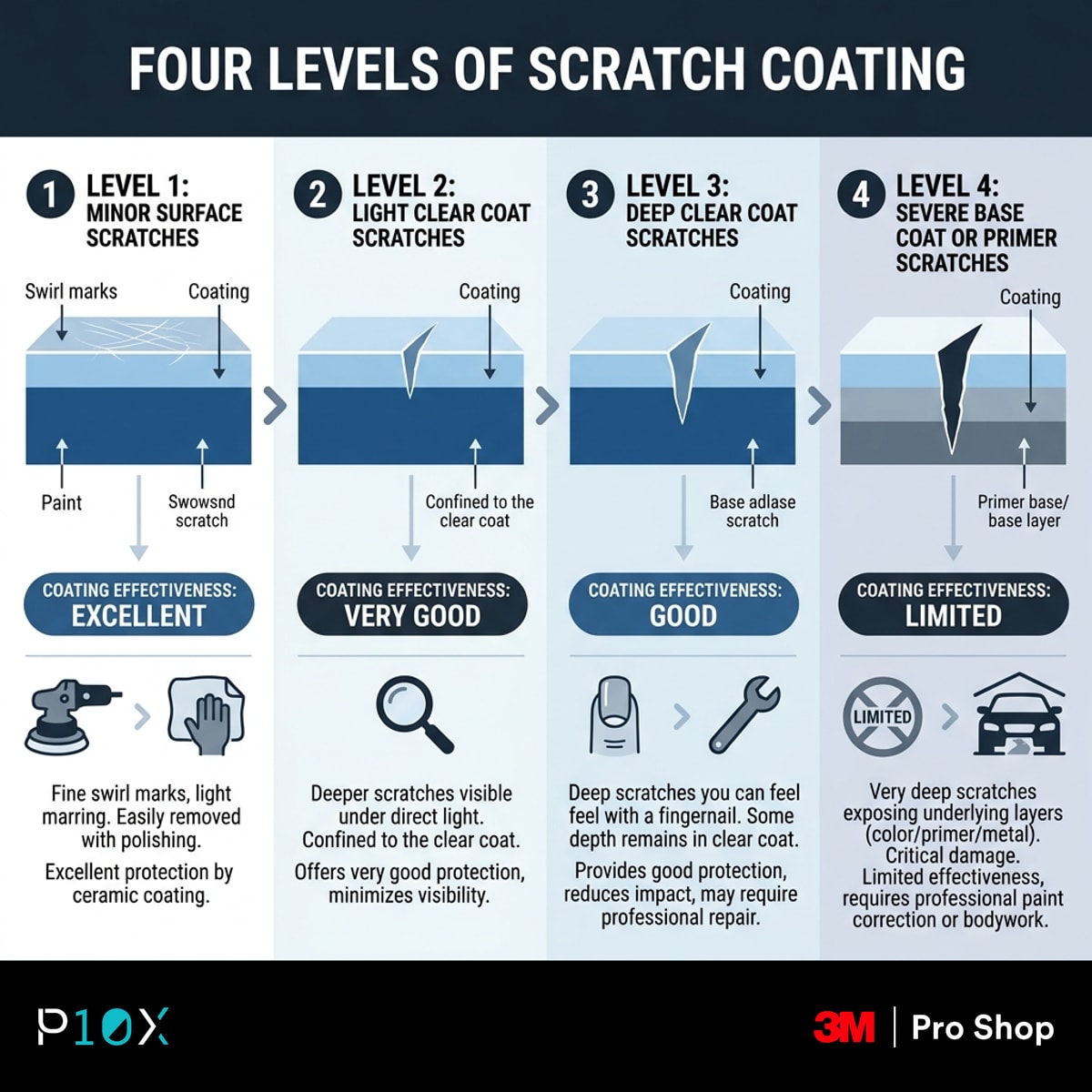
Self-healing PPF uses heat to help minor marks in the film's top surface level out. Malaysia's warm conditions may help with very light swirls, but self-healing does not repair torn film, a cut through the adhesive, damaged paint or a dented panel. Inspect first and never overheat the film.
Warmth Helps Minor Topcoat Marks
A mark that catches a fingernail, changes colour or exposes an edge may be physical damage rather than routine topcoat marring.
Tears Need Panel Replacement
If film is torn or punctured, an installer may replace the film on that panel. Do not peel it yourself because the paint underneath must be checked.
Dents Need Separate Repair
Self-healing cannot reshape metal. Paintless dent repair may be possible when paint survives, but a professional should check the film and panel first.
Malaysian forum discussions describe gravel or light contact marking film without puncturing it. Treat these local owner experiences as practical signals, not proof of what every impact will do.

How Well Can PPF Handle Key Scratches?
PPF can often protect paint from light key contact around door handles or a brief accidental scrape because the film absorbs abrasion. A deliberate, high-pressure keying can slice through the film and reach the clear coat or colour coat. Treat PPF as risk reduction, not vandal-proof protection.
Door-Cup Scuffs: Strong Use Case
Door cups collect fingernail and key-ring marks. Small pieces are practical for this narrow risk when full-door coverage is outside the budget.
Accidental Scrapes: Conditional Protection
A key brushing protected paint may mark only the film. Sharpness, pressure, angle and coverage decide the outcome.
Deliberate Keying: No Guarantee
Forceful, repeated keying may cut through film and paint. Local discussions make the same distinction between light contact and full force from sharp objects.
How Well Can PPF Handle Door Dings?
PPF may prevent a neighbouring door from chipping or scratching paint during light contact, but it cannot make the body panel rigid. If impact is strong enough, metal can dent beneath intact film. The best outcome may be preserved paint plus paintless dent repair, not no damage at all.
Light Door Tap: Paint May Survive
A light tap in a Klang Valley mall or condo carpark may leave transferred colour or a film mark. Rinse it before judging the damage.
Sharp Door Edge: Film May Cut
A narrow edge concentrates force in a small area, increasing cut risk near exposed edges or existing lift lines.
Hard Impact: Metal Still Dents
PPF does not reinforce steel or aluminium. A strong strike can deform the panel even when film remains attached and paint survives.

How Well Can PPF Handle Animal Scratches?
PPF can reduce paint damage from light claw marks when a cat climbs onto a bonnet or a dog brushes a protected door. Repeated, forceful or grit-loaded claws may scratch or puncture film. Coverage matters because film protects only the painted panel it covers, not glass, trim or exposed edges.
Cat Claws: Light Contact Only
A cat crossing a clean protected bonnet may leave minor film marks. A startled jump or claws carrying grit can create deeper abrasion. This local example on whether PPF can prevent cat scratches supports a conditional answer.
Dog Claws: Repeated Impact Risk
A dog jumping against a door combines claw pressure with body weight. Repetition in one area raises the chance of a cut.
Gritty Paws: Abrasion Increases
Sand between a paw and film acts as an abrasive. Rinse instead of wiping dry so particles are not dragged across the topcoat.

What Car Panels Need Protection Most?
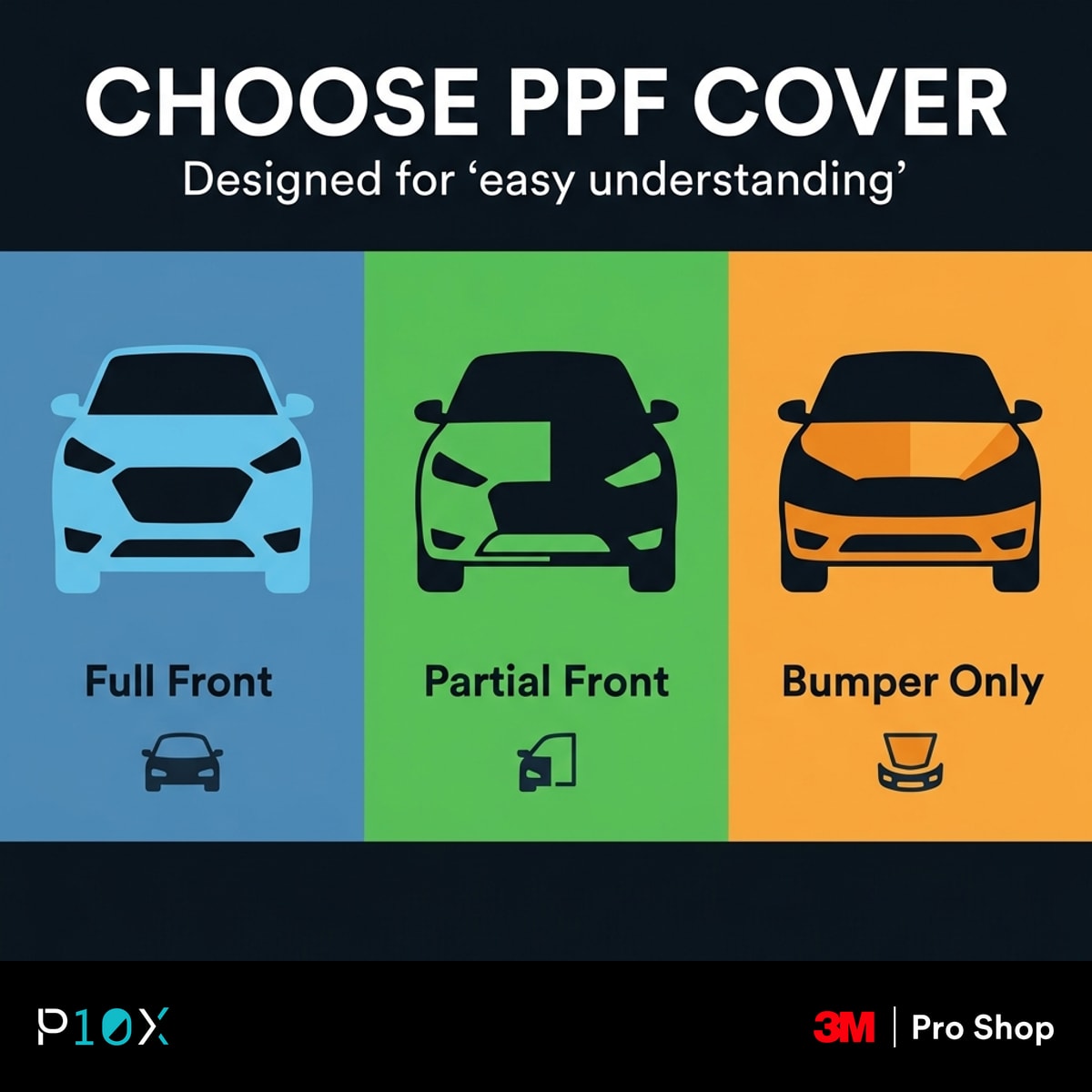
Choose coverage around the damage you face. Door cups and edges address key and fingernail scuffs. Full door skins help with light parking contact and pet claws. Bonnet and roof coverage suits cars exposed to cats. The rear loading ledge protects against luggage. Uncovered paint receives no PPF protection.
Keys: Cover Door Cups
Door-cup pieces target routine hand and key contact. Door edges help where passengers open close to walls or cars.
Carparks: Cover Door Skins
Full doors provide broader paint coverage than small patches. They may reduce scratching from light contact, but they cannot stop dents.
Pets: Cover Bonnets and Doors
Bonnet, roof and full-door coverage suit owners who regularly find cats on the car or travel with a dog near painted entry areas.
Luggage: Cover Rear Ledges
A targeted rear ledge strip may be more cost-effective than full-body film when bags, prams or boxes create the repeated risk.
Current 3M Malaysia options include Series 150 Gloss, Series 100 Gloss and Series 50 Gloss. Indicative full-car ranges in the workspace are about RM19,000 to RM24,000 for Series 150, RM15,000 to RM19,000 for Series 100 and RM11,000 to RM15,500 for Series 50. Door cups are listed around RM130. Treat these as estimates because vehicle size, panel complexity, coverage and the current quote affect price.
Before choosing coverage, compare full-body versus front-end PPF and discuss pre-cut versus hand-cut PPF with the installer.
What Damage Still Reaches Paint Under PPF?
Paint can still be damaged when a sharp object cuts through film, impact exceeds its ability to absorb energy, a panel is uncovered or film is already compromised. Existing defects are not repaired by covering them. PPF also cannot prevent a body panel from bending under hard contact.
Cut-Through: Sharp Force Wins
Deep keying, hard claws or sharp metal can puncture film. There is no universal safe force threshold because results vary by object, angle, film and panel.
Coverage Gaps: Paint Stays Exposed
Edges, trim, gaps and unwrapped panels remain vulnerable. Partial coverage should be chosen with a clear view of where film starts and stops.
Existing Damage: Film Cannot Repair
PPF is not paint correction. Scratches, chips or weak repaint should be assessed before installation.
How Should You Check Damage After Impact?
After contact, rinse away grit, photograph the area and check for a raised edge, tear, puncture, colour change or dent. Do not aggressively polish, peel or heat a deep mark. A trained installer can decide whether the topcoat may recover, film needs replacement or paint and metal need separate repair.
Step 1: Rinse Away Grit
Use clean water to remove loose dirt. Avoid rubbing a dry surface because that can add marks.
Step 2: Inspect Film Depth
Look from several angles under bright light. A split surface or mark that catches a fingernail needs attention.
Step 3: Check Panel Shape
Distorted reflections can reveal a shallow dent even when paint and film look intact.
Step 4: Ask an Installer
Take clear photos and visit a 3M Authorized Dealer such as 3M Pro Shop by P10X. If replacement follows a larger incident, review PPF replacement after an accident.
PPF Scratch Protection Depends on Force and Coverage
PPF is useful when your goal is to reduce everyday paint damage, not make the car invulnerable. Match coverage to the contact you face, keep expectations conservative and inspect film after sharp or hard impact. The practical next step is to compare panel risks with a trained installer before choosing targeted or full-body coverage.
What PPF Scratch Questions Do Drivers Ask?
Most PPF scratch questions come down to severity, coverage and repairability. Film can self-heal minor surface marks and sacrifice itself during some scuffs, but deep cuts and dents are different problems. Each answer below starts with the practical verdict and the limitation that matters most.
Does paint protection film prevent scratches?
Yes, PPF may prevent many light scratches and scuffs from reaching paint. It does not stop every scratch. Sharp, forceful or repeated contact can cut through film, while uncovered paint receives no protection.
Can PPF stop deep scratches completely?
No. A forceful key, hard claw or sharp edge may puncture film and damage the clear coat or colour coat. Treat PPF as a replaceable risk-reduction layer, not a scratch-proof shell.
Does PPF heal itself after being scratched?
Minor marks in the self-healing topcoat may level out with warmth. Cuts, punctures, torn film, damaged paint and dents do not self-heal. Let an installer inspect any mark that catches a fingernail.
Does PPF protect against door dings?
PPF may protect paint during a light door tap, but it cannot stop metal from denting. A sharp edge may also cut film. Check film, paint and panel shape separately.
Can PPF prevent cat or dog scratches?
It may reduce paint damage from light, clean claw contact on a covered panel. Hard, repeated or grit-loaded claws can scratch or puncture film. Glass, trim, edges and uncovered paint remain exposed.
Can PPF be replaced if it gets scratched?
Yes, damaged film can often be replaced panel by panel by a trained installer. Replacement depends on film, adhesive and paint condition. Do not peel damaged PPF yourself.
Is PPF better than ceramic coating for scratch protection?
PPF provides a thicker physical barrier for light abrasion and minor impacts. Ceramic coating mainly supports gloss, water behaviour and easier cleaning. Neither guarantees protection from deep keying, hard animal scratches or dents.
Can paint protection film be removed safely?
It can often be removed safely when paint is sound and correct technique is used. Repainted or weak paint needs extra assessment. Use a professional rather than pulling film cold or using uncontrolled heat.
Find out the best protection for your car
Visit a 3M Pro Shop and discover the cost-effective 3M Protective Film and Window Tint
Author

Kelvin Cheen
Kelvin is an Automotive Solutions Consultant and Branch Manager at 3M Pro Shop. With 4+ years of field experience in premium vehicle surface protection, Kelvin specializes in flagship 3M technologies, including 3M Crystalline Black optical film and Ceramic IR tints, 3M Paint Protection Film (PPF), etc. His focus is on delivering transparent, engineering-backed advice to car and EV owners, cutting through sales upsells to ensure customers choose the exact thermal rejection and paint protection tailored to their driving needs.
Experience the future of window tinting
Visit a 3M Pro Shop and discover the revolutionary Crystalline CR BLK film