Key Takeaways
If you are considering window tint or paint protection film for your car in Malaysia, one decision matters more than the product itself: who installs it. A premium 3M film installed poorly will fail early, while even a mid-tier product installed by a 3M certified installer in Malaysia will perform as promised. That difference comes down to training, tools, technique, and accountability. In this guide, we explain how 3M certified installers approach preparation, fitting and inspection, what sets them apart from uncertified workshops, and why certification is a reliable indicator of quality and peace of mind.
Table of Contents
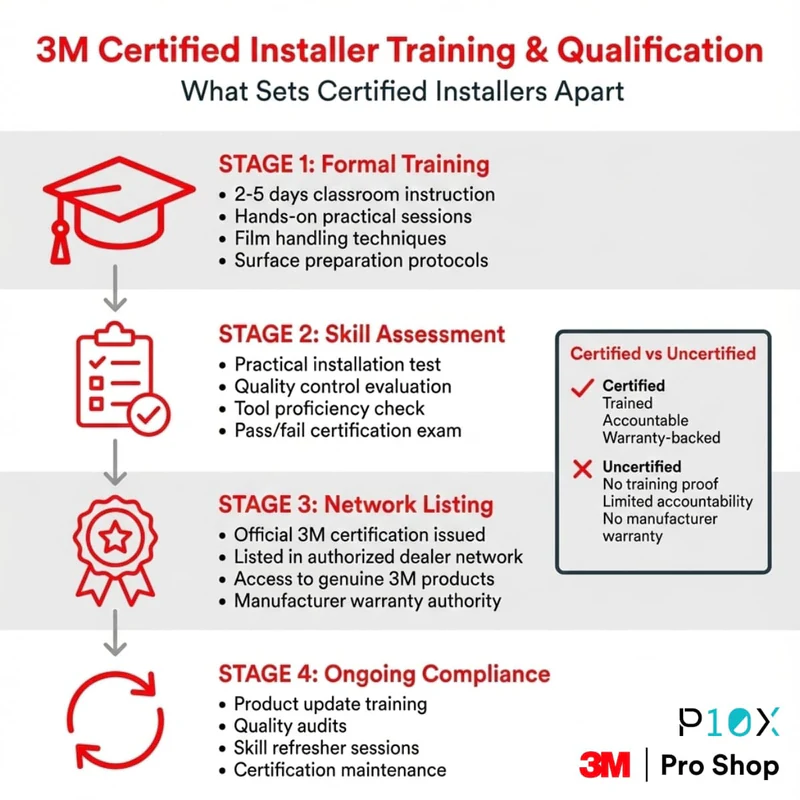
What Does 3M Installer Certification Actually Mean?
Ask the outlet to show its current authorisation and the relevant technician training. Dealer authorisation and an individual installer's qualification are different checks; neither should be assumed from a logo alone.
Certified installers are trained on:
- Surface evaluation and preparation techniques to ensure films bond correctly to glass, paint, or clear coat
- Proper handling and cutting of 3M films without damaging material integrity or wasting product
- Application methods specific to each film type, including Crystalline window tints, Ceramic IR series, and PPF Series 50, 100, and 150
- Curing protocols to allow films to set correctly under controlled humidity and temperature
- Post-installation inspection and care guidance for customers
Verify current status through 3M's official channels. Ask the outlet to explain the applicable warranty and who handles installation-related complaints.
A 3M Authorized Dealer does not have to carry the Pro Shop name to be authorised. Verify the outlet's actual status rather than treating Pro Shop branding as the only valid route.
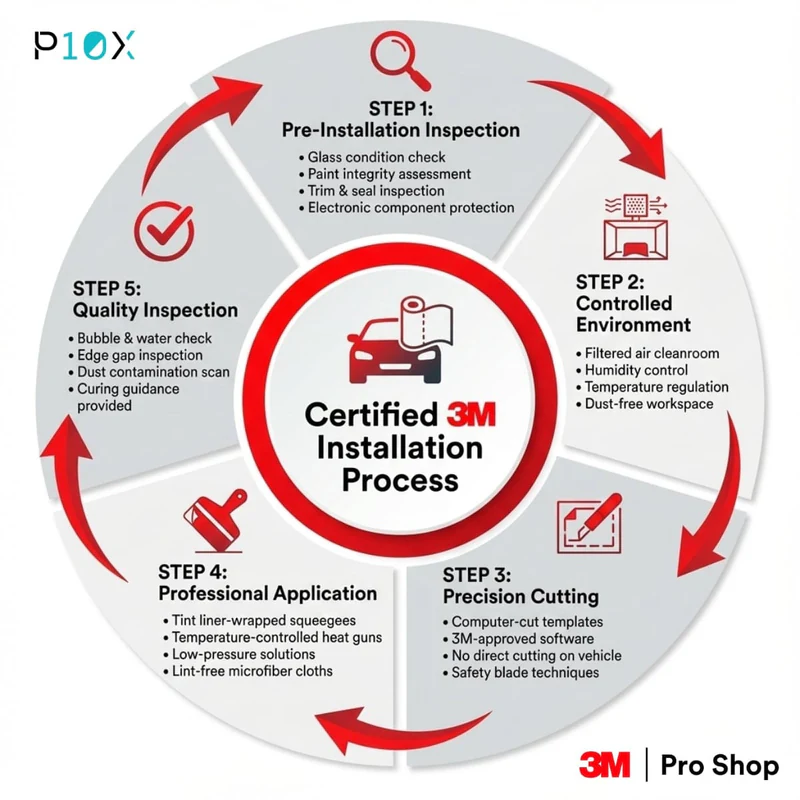
Five Installation Checks to Discuss Before Booking
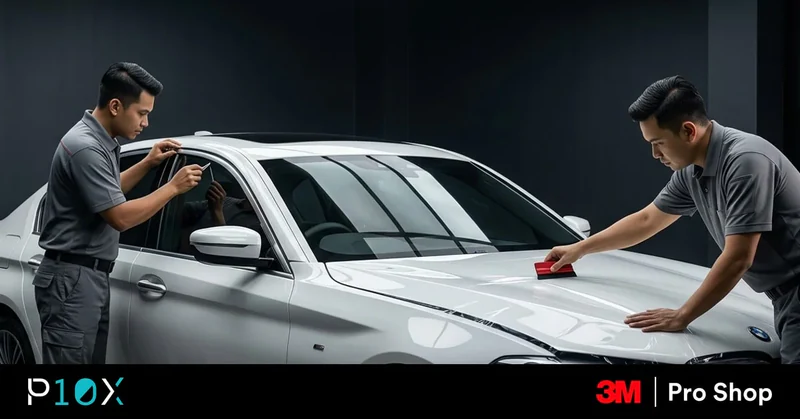
Whether the job is front windscreen tinting, full car PPF, or a single door wrap, certified 3M installers follow a structured process designed to eliminate common failure points.
Step 1: Pre-Installation Inspection and Surface Assessment
Before any film touches your car, the installer inspects:
- Glass condition: scratches, chips, existing residue, or factory coatings that could interfere with adhesion
- Paint or clear coat integrity: oxidation, wax buildup, contaminants, or prior damage
- Trim and seals: door panels, window channels, and rubber seals that may need removal or masking
- Electronic components: switches, sensors, and antennas near the work area
This step catches problems early. If your glass has deep scratches or your paint is not cured properly, the installer will flag it and recommend solutions before proceeding. Uncertified workshops often skip this and blame the customer or the film later when issues appear.
Step 2: Controlled Environment Setup
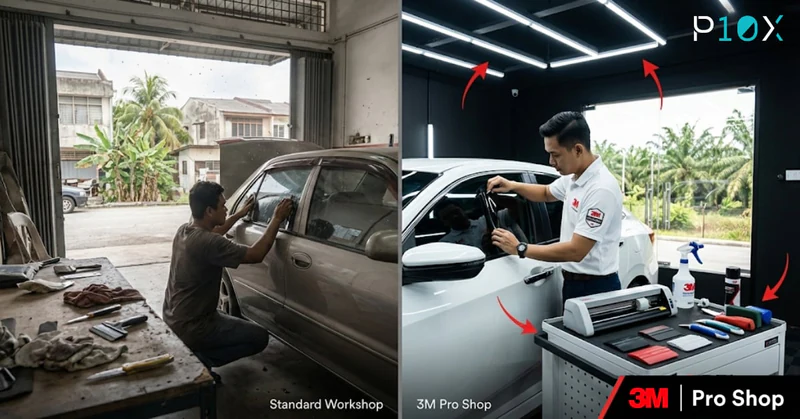
3M certified installers work in cleanroom or semi-cleanroom environments where dust, humidity, and temperature are controlled. Why does this matter?
- Dust and debris trapped under film cause permanent specks and visual imperfections
- High humidity slows curing and increases the risk of hazing or water spots
- Extreme heat or cold affects film flexibility and adhesive activation
Ask the specific outlet about its installation bay, dust control and vehicle-protection method. Do not assume that every authorised outlet has identical filtration, humidity or temperature controls.
Step 3: Precision Cutting and Shaping
For window tint, certified installers use computer-cut templates or hand-cut patterns on a separate surface, never directly on your car glass. This prevents scratches to the glass or damage to defroster lines.
For PPF, installers use 3M-approved cutting software and plotter systems that produce exact patterns for your vehicle make and model. Hand trimming is done with safety blades that will not score paint, and all cuts are made on the film itself, not the panel underneath.
Uncertified installers often cut freehand on the car, risking permanent damage to glass, paint, or trim.
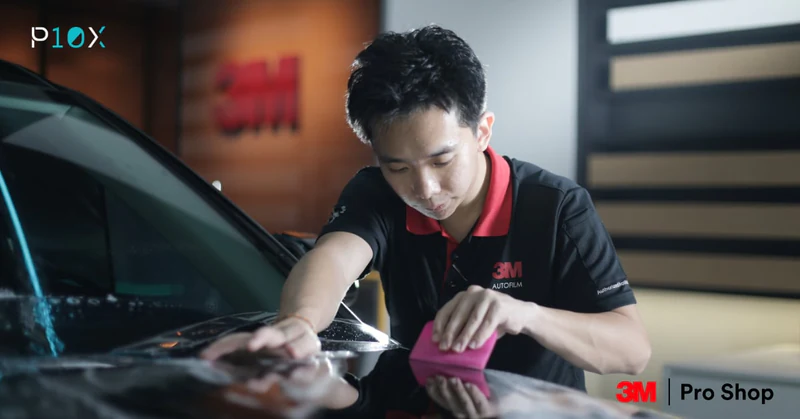
Step 4: Application with Professional Tools
Certified installers use professional tools recommended by 3M:
- Tint liner-wrapped squeegees to remove water without scratching the film
- Low-pressure spray solutions that do not leave residue or interfere with adhesive
- Heat guns with temperature control to shape film without overheating or distorting it
- Microfiber cloths that do not shed lint or damage delicate surfaces
Each tool is chosen to protect both the film and your vehicle. Using the wrong squeegee, for example, can create micro-scratches that become visible under sunlight. Using too much heat can warp film or cause adhesive failure.
Step 5: Post-Application Inspection and Curing Guidance
After installation, the installer checks the entire surface for:
- Bubbles or trapped water that did not fully evacuate
- Edge gaps or lifting that could lead to peeling
- Dust contamination that was not visible during application
- Alignment and symmetry across panels or windows
The customer should receive film-specific care instructions. For PPF, wait 72 hours before washing. This is a wash waiting period, not a universal full-cure deadline. Ask separately about window operation and tint drying.
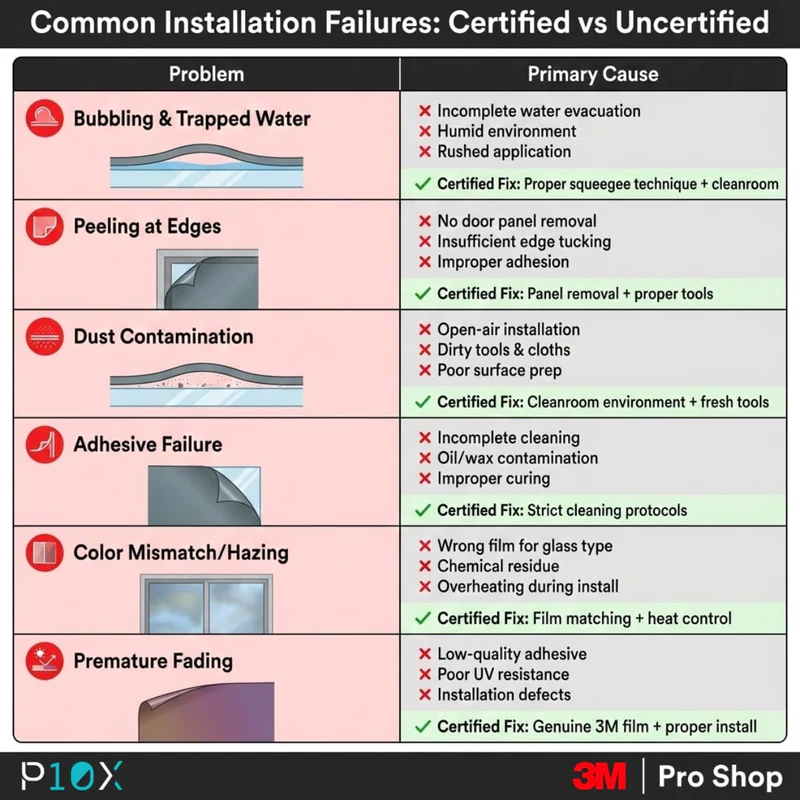
How Certification Reduces Common Installation Failures
The most common complaints about window tint and PPF installations are bubbling, peeling, dust specks, colour mismatch, and premature fading. Most of these failures trace back to installer error, not product defects.
Bubbling and Trapped Water
Bubbles form when water is not fully removed during application or when the film is applied in humid, uncontrolled conditions. Certified installers are trained to use proper water evacuation techniques and to work in environments where humidity does not interfere with curing. If you are experiencing issues with bubbles in your current tint, read more in our guide on car tint bubbles and how to prevent them.
Peeling at Edges
Peeling happens when the film is not fully adhered at the edges, often because the installer did not remove door panels or did not push the film deep enough into the window channel. Certified installers remove panels where necessary and use proper tools to tuck film edges securely without tearing or stretching.
Dust Contamination
Dust trapped under film is permanent. It cannot be removed without lifting and reapplying the film. Cleanroom environments and proper surface prep eliminate this problem almost entirely. Uncertified workshops that operate in open garages or dusty bays cannot offer the same level of cleanliness.
Adhesive Failure and Premature Lifting
Some films appear fine for weeks or months, then start lifting at corners or along seams. This is usually caused by incomplete surface cleaning, contamination from oils or waxes, or improper curing conditions. 3M certified installers follow strict cleaning protocols using approved solutions and lint-free wipes to ensure adhesive bonds properly from day one.
Colour Mismatch or Hazing
Window tints can appear hazy or uneven if the wrong film is chosen for the glass type, if residual soap or chemicals are left on the surface, or if the film is overheated during shaping. Certified installers are trained to match film type to glass curvature and to control heat application precisely.
Why Certification Matters More in Malaysia's Climate
Malaysia's tropical environment places extra stress on automotive films. High UV exposure, constant heat, heavy rain, and high humidity accelerate wear and amplify installation errors.
UV and heat: Films that are not installed correctly or that use inferior adhesives will degrade faster under Malaysia's intense sun. Certified installers are trained to apply films that offer high total solar energy rejection (TSER) and UV blocking, and to ensure those films bond fully so performance does not drop over time.
Humidity and moisture: High humidity during installation can cause water spots, slow curing, or adhesive failure. Cleanroom environments mitigate this.
Rain and car washes: Improperly sealed edges allow water to seep under film, causing lifting or bubbling. Certified installers use edge sealing techniques and removal of trim where needed to prevent water intrusion.
The approved warranty periods are five years for Crystalline Black, Ceramic IR and XP, five years for PPF Series 150, and three years for Series 100 and 50. Covered defects are bubbling and cracking. These periods do not guarantee lifespan.
What to Expect When You Visit a 3M Pro Shop
When you book an appointment at a 3M authorised dealer in Malaysia, here is what you should expect:
- Consultation and product recommendation: The installer will ask about your driving habits, parking conditions, comfort priorities, and budget. They will recommend a specific film series and shade based on your answers, not based on what is easiest to install or most profitable.
- Transparent pricing and warranty details: You will receive a clear breakdown of material cost, labour, and warranty coverage. 3M films come with manufacturer warranties that vary by product, and these are only valid when installed by certified professionals.
- Scheduled installation in a controlled environment: Your car will be worked on in a clean bay, not in an open-air lot. You may be invited to observe parts of the process if timing allows.
- Post-installation briefing: The installer will walk you through curing timelines, care instructions, and what to watch for in the first few days. You will receive documentation that includes the film type, installation date, and warranty terms.
- Access to ongoing support: If you have questions or concerns after leaving, visit 3M Pro Shop by P10X to provide direct support and can liaise with 3M if warranty claims are needed.
How to Verify That Your Installer Is Actually Certified
Not every workshop that claims to be a 3M installer is actually certified. Here are three ways to verify credentials:
- Ask to see the installer's certification card or certificate issued by 3M. Certified installers carry physical proof of training.
- Check the workshop's status on the 3M Pro Shop network. Official outlets are listed on 3mproshop.com.my and display authorised dealer signage.
- Ask about warranty terms and claim procedures. Certified installers can explain the exact warranty duration and how claims are handled. Uncertified shops cannot offer manufacturer warranties, only their own shop guarantees, which are harder to enforce.
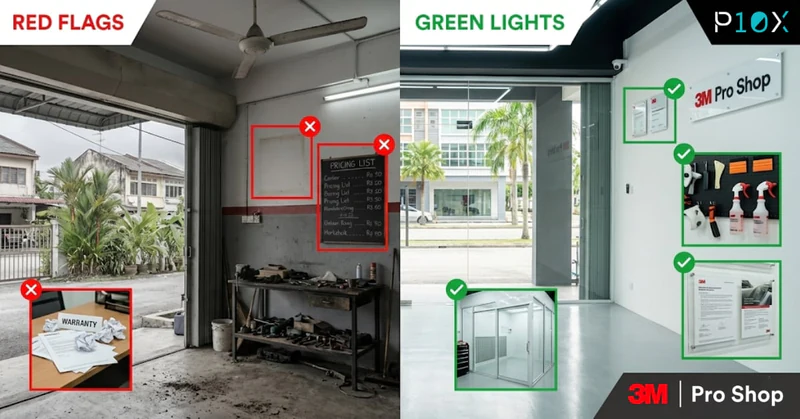
For a detailed breakdown of red flags and green lights when choosing an installer, see our guide on what to look for in a 3M authorised dealer.
The Long-Term Value of Choosing Certified Installation
Certification is not just about avoiding problems. It is about maximising the return on your investment.
Better film performance: When installed correctly, 3M films deliver the heat rejection, UV protection, clarity, and durability they are designed for. Poor installation undermines all of that.
Longer lifespan: Certified installers use techniques and tools that extend film life, often by years compared to budget installs.
Warranty protection: Manufacturer warranties require certified installation. Without it, you have no recourse if the film fails prematurely.
Resale value: Well-maintained tint and PPF are selling points when you trade in or sell your car. Poor installations that bubble, peel, or fade become liabilities that hurt resale appeal.
Peace of mind: Knowing that the work was done right, by someone accountable, removes the anxiety of wondering if your film will fail next month or next year.
Final Thoughts: Certification Is a Signal You Can Trust
In a category where quality is hard to judge until months or years after installation, 3M installer certification offers a reliable signal. It tells you that the person handling your car has been trained, tested, and held accountable by a global brand with more than a century of materials science expertise.
Whether you are choosing JPJ-compliant window tint for comfort and safety, comparing 3M Crystalline films for heat rejection, or protecting your paint with PPF, the installer matters as much as the product. If you want to discuss the product, fitting method and support, start by finding a certified 3M Pro Shop near you and asking the right questions.
For more guidance on making the best choice for your vehicle, explore our guide on why 3M Pro Shop is Malaysia's most trusted automotive protection specialist.
Find out the best protection for your car
Visit a 3M Pro Shop and discover the cost-effective 3M Protective Film and Window Tint
Frequently Asked Questions
How long does 3M installer certification training take?
Training length and renewal requirements depend on the specific programme. Ask for current documentation rather than assuming a universal two-to-five-day course.
Can I get a 3M warranty if I install the film myself or use an uncertified installer?
No. 3M manufacturer warranties require installation by a certified 3M installer at an authorised outlet. If you install the film yourself or use an uncertified workshop, the warranty is void. You may still receive a shop warranty from the installer, but that is separate from the manufacturer warranty and is harder to enforce if the shop closes or disputes the claim.
What should I do if I suspect my installer is not actually certified?
Ask to see the installer's certification card or certificate issued by 3M or the official distributor. You can also verify the workshop's status by checking the 3M Pro Shop network online or contacting the distributor directly. If the installer cannot provide proof of certification, consider choosing a different workshop.
Are 3M Pro Shops in Malaysia all certified to the same standard?
Verify the outlet's current authorisation, technician experience and actual facilities. Do not infer identical methods or guaranteed defect-free results from the name alone.
How much more expensive is installation at a certified 3M Pro Shop compared to a budget workshop?
Compare written quotes for the same product, vehicle, coverage and warranty. There is no verified universal percentage premium or guaranteed lower lifetime cost.