
Why Your Windscreen Gets Blurry in Malaysia (It's the Glass, Not Your Wipers)
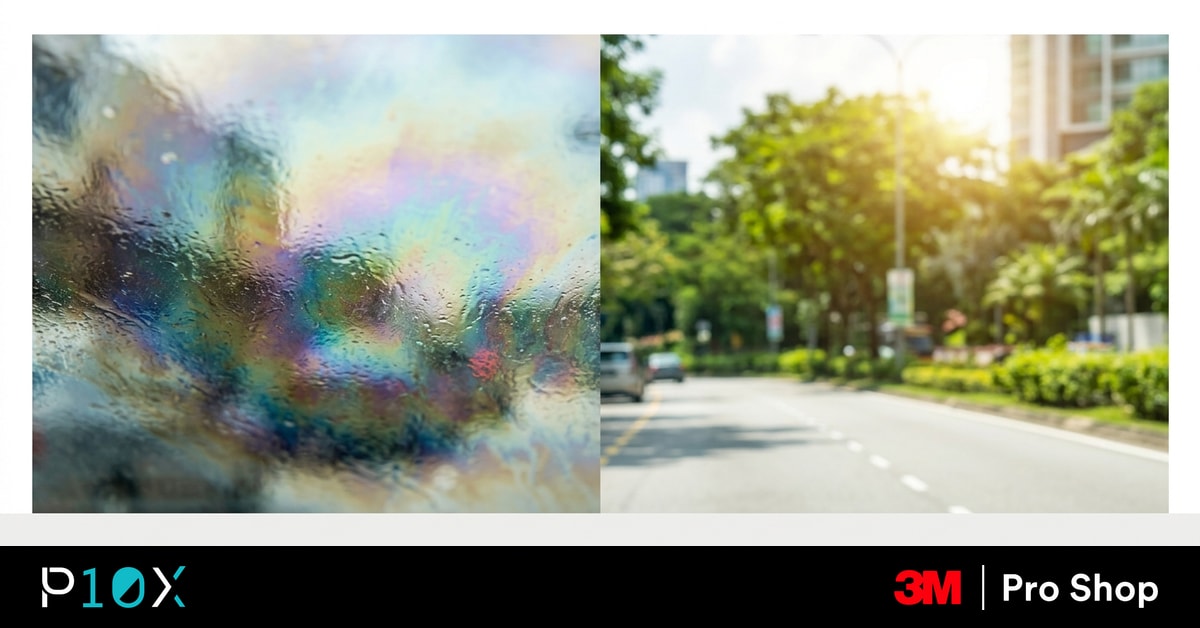
- Most blurry windscreens in Malaysia are caused by an invisible oil and mineral film on the glass, not by worn wipers. No new blade can wipe it off.
- A 30-second water test in your porch tells you instantly whether the glass or the rubber is the problem. Uneven beading means the glass.
- Five hidden causes drive the haze: oil film, hard-water etching, worn wiper rubber, bent wiper arms, and inside-glass dashboard outgassing.
- DIY oil-film removers help once or twice. A professional polish plus 3M Glass Coat Windshield gives a longer-lasting clear view.
- A professional windscreen polish in Malaysia is benchmarked at around RM150 at a 3M Authorized Dealer such as 3M Pro Shop by P10X. Confirm with the outlet before booking.
If your windscreen turns blurry every time it rains in Malaysia, the cause is almost never your wipers. In most cases the real culprit is an invisible oil and mineral film stuck on the glass itself. New wipers, expensive silicone blades, even premium imported brands cannot wipe through it. They only smear it around.
This guide breaks down what actually causes a blurry windscreen for Malaysian drivers, why it gets worse in monsoon weather and at night, and how to test the problem yourself in 30 seconds before you spend another sen on wipers. By the end you will know whether your glass needs a clean, a polish, or a full replacement.
What Causes a Blurry Windscreen in Malaysia
A blurry windscreen in Malaysia is almost always caused by a thin layer of oil, road grime, and hard-water minerals stuck to the outside of the glass, not by worn wipers. The film is so thin you cannot see it with the naked eye. When rain hits, water cannot spread evenly across the contaminated surface, so it breaks into uneven beads and streaks. Your wiper then drags those beads sideways and you get the smeared view that ruins visibility on the LDP, the Federal Highway, or Jalan Kuching at 6pm.
Here is the part most drivers miss. The wipers and the glass work as one system. If the glass is dirty at a microscopic level, even a brand-new wiper cannot give you a clean sweep. A 30-second water test in your porch, covered further down, will tell you immediately whether the problem is the glass or the rubber.

Why Blurry Glass Is Dangerous on Malaysian Roads
A hazy windscreen is a real safety risk in Malaysia because our driving conditions punish poor visibility. Heavy monsoon rain, oncoming LED headlights, glare from wet tarmac, and long highway drives all amplify what an oily windscreen does to your eyes.
At night, an oil film scatters light from oncoming headlights into a starburst pattern. Your pupils contract, you lose a fraction of a second of reaction time, and on a wet PLUS highway at 110 km/h that fraction translates into metres of stopping distance. In daytime rain, the same film breaks up your view of brake lights ahead, which is exactly when you need clear sight the most.
If the glass damage goes deeper than surface oil and chips or cracks are involved, polish alone will not fix it. It is worth reviewing the windscreen replacement cost in Malaysia before deciding between polish and replacement.
How Oil Film Builds Up on Your Windscreen
Oil film on a Malaysian windscreen builds up from a mix of road, weather, and washing habits. Every drive through KL traffic, every petrol-station rinse, every wipe with a dry cloth adds another microscopic layer. After two or three years on the road, that buildup is what your wipers are fighting.
Road oil and exhaust film
Every car ahead of you leaves a fine mist of unburnt fuel, engine oil vapour, and tyre rubber on your windscreen. In heavy traffic this layer thickens fast. On open highways the speed throws even more atomised oil onto your glass.
Tree sap and bird droppings
Parking under a tree in Bangsar or near Lake Gardens looks convenient. Sap and droppings are acidic and they bake onto the glass under the Malaysian sun within hours, leaving a sticky residue that water alone cannot remove.
Hard water mineral deposits
Tap water at most Malaysian petrol stations carries dissolved minerals. When you rinse your car and let it air-dry under the sun, the water evaporates and the minerals stay behind. Over months you get those circular watermarks that refuse to come off with a normal wash.
Old wiper rubber residue
A worn wiper does not just stop wiping. It leaves a thin smear of degraded rubber and silicone across the glass with every sweep. Once that residue cures under UV, it becomes part of the oil film and the next wiper inherits the same problem.
Wax and polish overspray
When you wax your car and let some product hit the glass by accident, that residue sticks. Wax is designed to repel water on paint. On a windscreen it does the opposite of what you want, creating uneven beading and wiper chatter.
5 Hidden Causes of a Blurry Windscreen
Beyond the obvious worn-wiper explanation, there are five hidden causes Malaysian drivers usually overlook. Most of them sit on the glass, not on the wiper, which is why swapping blades again and again rarely fixes the blur.
Cause 1: Invisible oily glass film
The number one cause. A mix of road oil, exhaust soot, and tropical UV cooks a clear coating onto your windscreen. It is so thin you can only see it when water beads weirdly. New wipers cannot remove it because rubber does not chemically dissolve oil.
Cause 2: Hard water etching
If watermarks have been on your glass for more than a few months, the minerals start to micro-etch into the surface. At this stage no wiper, no spray, and no cheap remover will fix it. The glass itself needs a mild polish, or in severe cases, replacement.
Cause 3: Worn wiper rubber
Wiper blades in Malaysia rarely last beyond 9 to 12 months because of constant UV and heat. A worn rubber edge skips across the glass instead of wiping smoothly, and it deposits more residue than it removes. This is a real cause, just not the main one.
Cause 4: Bent or uneven wiper arm pressure
If the wiper arm is slightly bent, often from a careless car wash or a stuck blade, the rubber no longer presses evenly on the glass. You will see streaks only on one side. New rubber will not fix this. The arm needs adjustment or replacement.
Cause 5: Inside-glass haze from dashboard outgassing
Plastic dashboards, vinyl trim, and even some air-freshener oils release vapour under heat. Over time that vapour condenses on the inside of your windscreen, leaving a hazy film. You can wipe the outside clean and still get blur because the inside is dirty.
How to Tell If It's the Glass or the Wipers
A simple 30-second water test in your porch will tell you whether the blur is caused by the glass or the wipers. You do not need any tools, just a bucket of clean water, a drop of car shampoo, and a clean microfibre cloth.
Step 1: Wash the windscreen with car shampoo
Wash the outside of the windscreen with car shampoo and a clean microfibre. Skip dish soap. It contains salt and degreasers that strip the wiper rubber. Rinse the glass with clean water and let any drops settle naturally.
Step 2: Wet the glass with clean water
Pour clean water across the top of the windscreen and let it run down. Do not switch on the wipers. Just watch how the water behaves on the glass.
Step 3: Watch how the water behaves
If the water sheets down in a smooth, even film and the glass looks clear underneath, the glass is clean. If the water breaks into uneven beads, streaks, or fingers that refuse to flatten out, the glass is contaminated.
Step 4: Read the result
Even sheeting means your wipers are the weak link. Uneven beading or streaking means the glass is the problem, and no new wiper will fix it. You need a proper oil-film remover or a professional windscreen polish.

Common Mistakes Malaysian Drivers Make
Malaysian drivers tend to repeat four expensive mistakes when chasing a clear windscreen. Each one delays the real fix and quietly makes the glass worse. If you have done any of these, you are not alone, but it is worth stopping the cycle now.
Mistake 1: Replacing wipers again and again
Buying a third set of premium silicone wipers in a year is the classic loop. If the glass is oily, the new rubber smears the same film, you blame the brand, and you swap it again. The cycle only ends when you clean the glass.
Mistake 2: Pouring dish soap into the wiper tank
Dish soap looks like a free upgrade. It is not. The detergents strip wiper rubber, the salt content damages paint and trim near the cowl, and the residue leaves its own film on the glass. Stick to proper windscreen washer fluid.
Mistake 3: Using car wax on the windscreen
Wax is designed for paint, not glass. On a windscreen it causes uneven beading, wiper chatter, and a slick film that refracts oncoming headlights at night. If wax has touched your glass by accident, a polish is the only way to remove it.
Mistake 4: Ignoring watermarks until they etch
Watermarks look harmless for the first few weeks. After a few months they etch into the glass and become permanent without machine polishing. The longer you wait, the more aggressive the fix needed.
DIY Fixes vs Professional Windscreen Polish
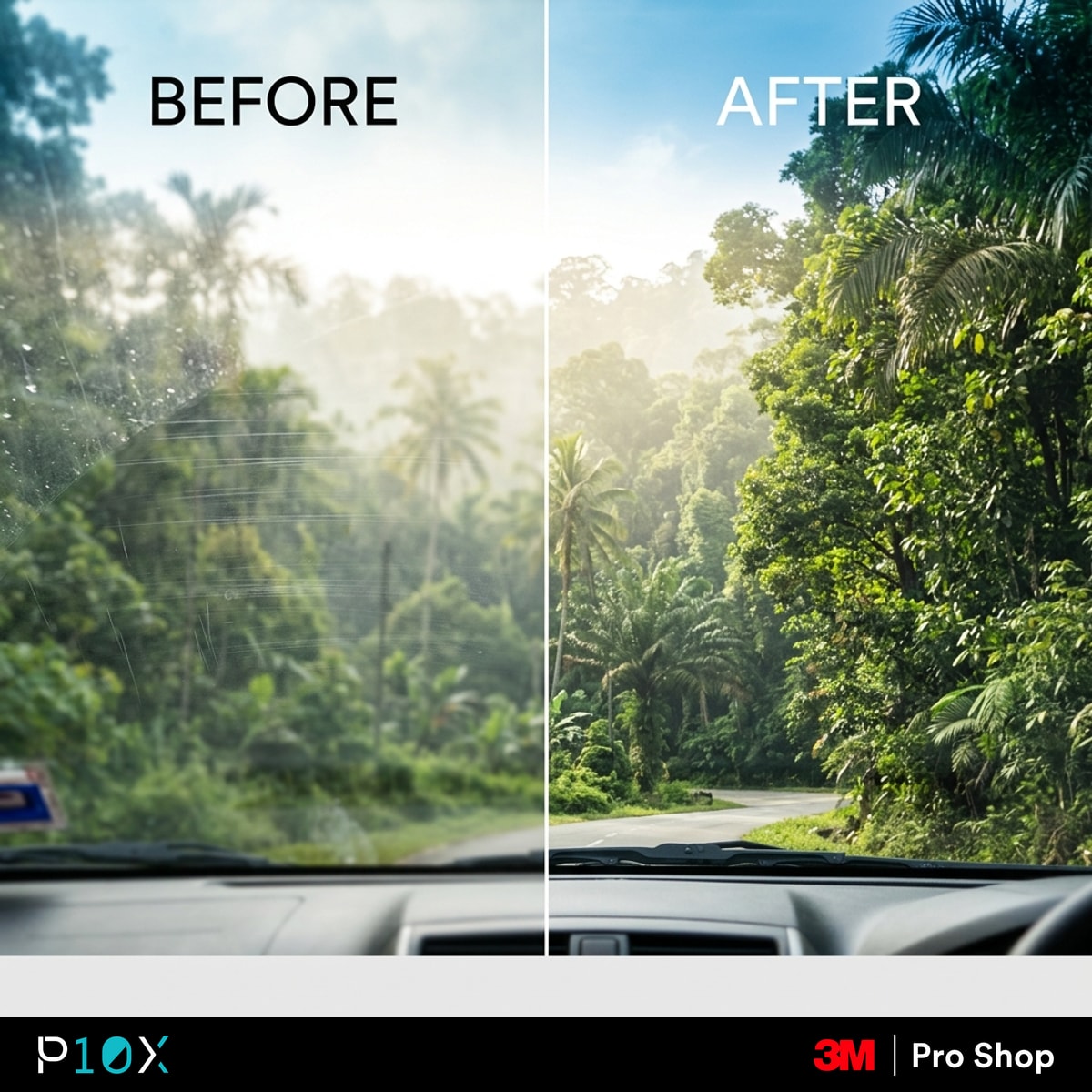
For most Malaysian drivers, a DIY oil-film remover gives a temporary improvement but a professional windscreen polish plus glass coating gives the cleanest, longest-lasting fix. The trade-off is time, cost, and how much watermark or etching damage is already on your glass.
DIY oil film removers (Mr DIY, Soft99 Glass Compound)
These products use a fine abrasive paste plus a degreaser. They work the first time, especially on a moderately oily windscreen. After the second or third use they tend to leave micro-scratches if applied unevenly, and they cannot remove deep hard-water etching.
Rain repellent coatings (Rain-X, Soft99 Glaco)
These are short-life hydrophobic sprays. They make water bead and roll off above 60 km/h, which improves rain visibility, but they wear off within weeks to a few months in Malaysian heat. They also need a perfectly clean glass surface to bond, otherwise they bead unevenly.
Professional windscreen polish plus glass coating
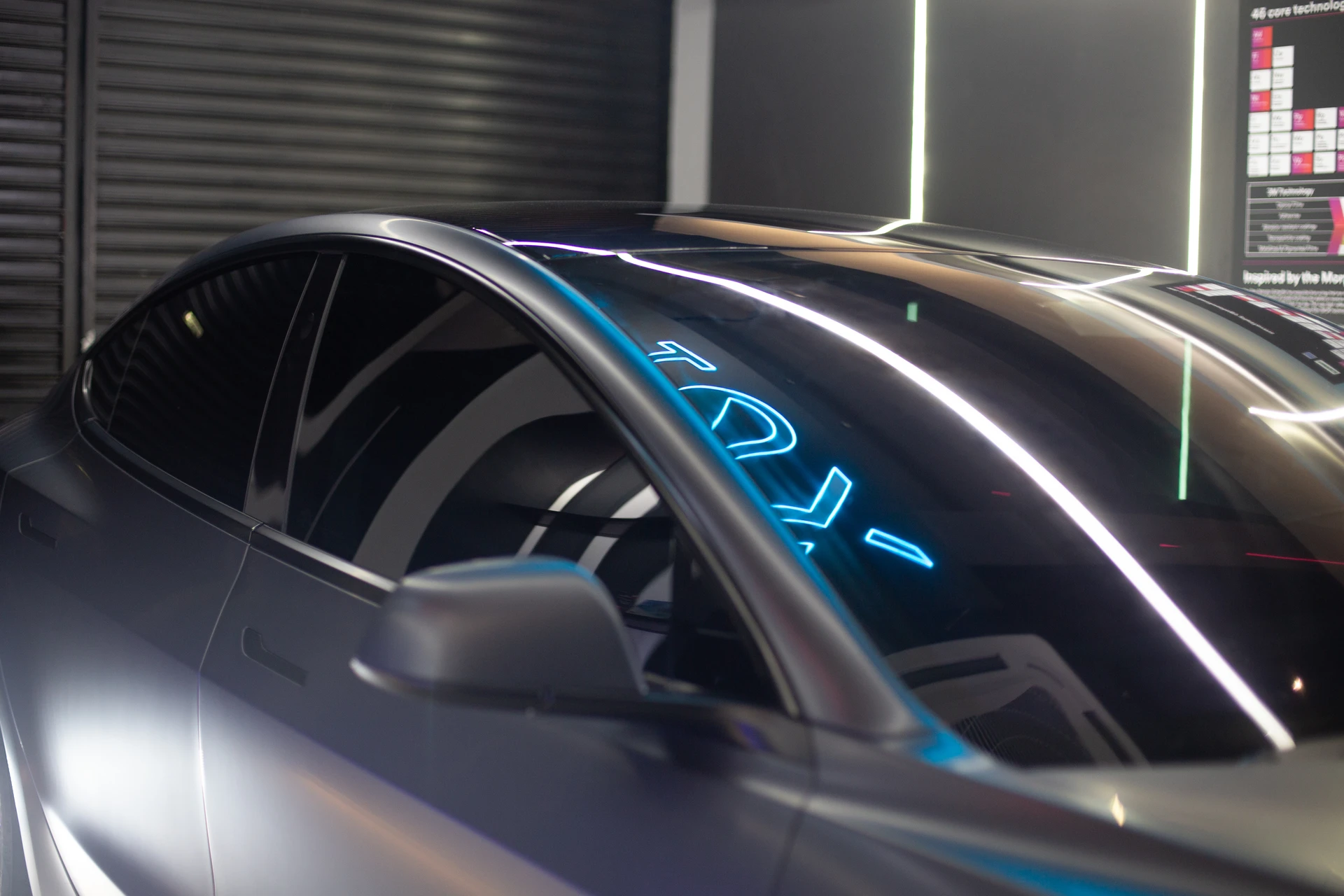
A 3M Authorized Dealer such as 3M Pro Shop by P10X uses a machine polish with glass-specific compound to remove oil film, watermarks, and light scratches in one go. After polishing, the installer applies 3M Glass Coat Windshield, a thin polymer film that repels water and reduces stains on the glass for the long term.
| Method | Removes oil film | Removes watermarks | Removes light scratches | Hydrophobic coating | Typical cost (RM) | How long it lasts |
|---|---|---|---|---|---|---|
| DIY oil film remover | Yes (first use) | Partial | No | No | 30 to 80 | Weeks |
| Rain repellent spray | No | No | No | Yes (short term) | 40 to 90 | Weeks to a few months |
| Professional polish plus 3M Glass Coat | Yes | Yes | Yes (light) | Yes (long lasting) | Around 150 (verify with dealer) | Long lasting |
The market range for professional windscreen polish in Malaysia sits between RM50 and RM263 depending on car size and shop standards. A 3M Pro Shop service uses 3M Glass Coat Windshield as the final layer and is benchmarked at around RM150 at the time of writing. Confirm the exact price with your nearest outlet before booking.
If you are still weighing options, the same logic for choosing a polish shop also applies to glass replacement. Many drivers ask for guidance on how to choose the best windscreen replacement shop in KL, and a good shortlist usually overlaps with shops that also offer professional polish and glass coating.
When Polish Is No Longer Enough
If your windscreen has deep chips, cracks, or hard-water etching that polish cannot remove, replacement is the next step. Pair the new glass with fresh tint in the same visit to save time and stay protected. Before paying out of pocket, check whether the cost is covered by insurance and how the windscreen claim affect your NCD before you submit any paperwork. If you decide to proceed, the windscreen replacement and re-tinting in one visit guide explains how to combine both services properly. You can also follow the step-by-step claim windscreen insurance in Malaysia guide so the claim does not stall halfway.
How to Book a 3M Pro Shop Windscreen Polish
If the 30-second water test showed uneven beading, a professional windscreen polish plus 3M Glass Coat is the cleanest fix for a Malaysian car. Book a slot at 3M Pro Shop by P10X or your nearest 3M Authorized Dealer, and let a trained installer machine-polish the glass and seal it with 3M Glass Coat Windshield. Browse the 3M Pro Shop locations page to find the nearest outlet.
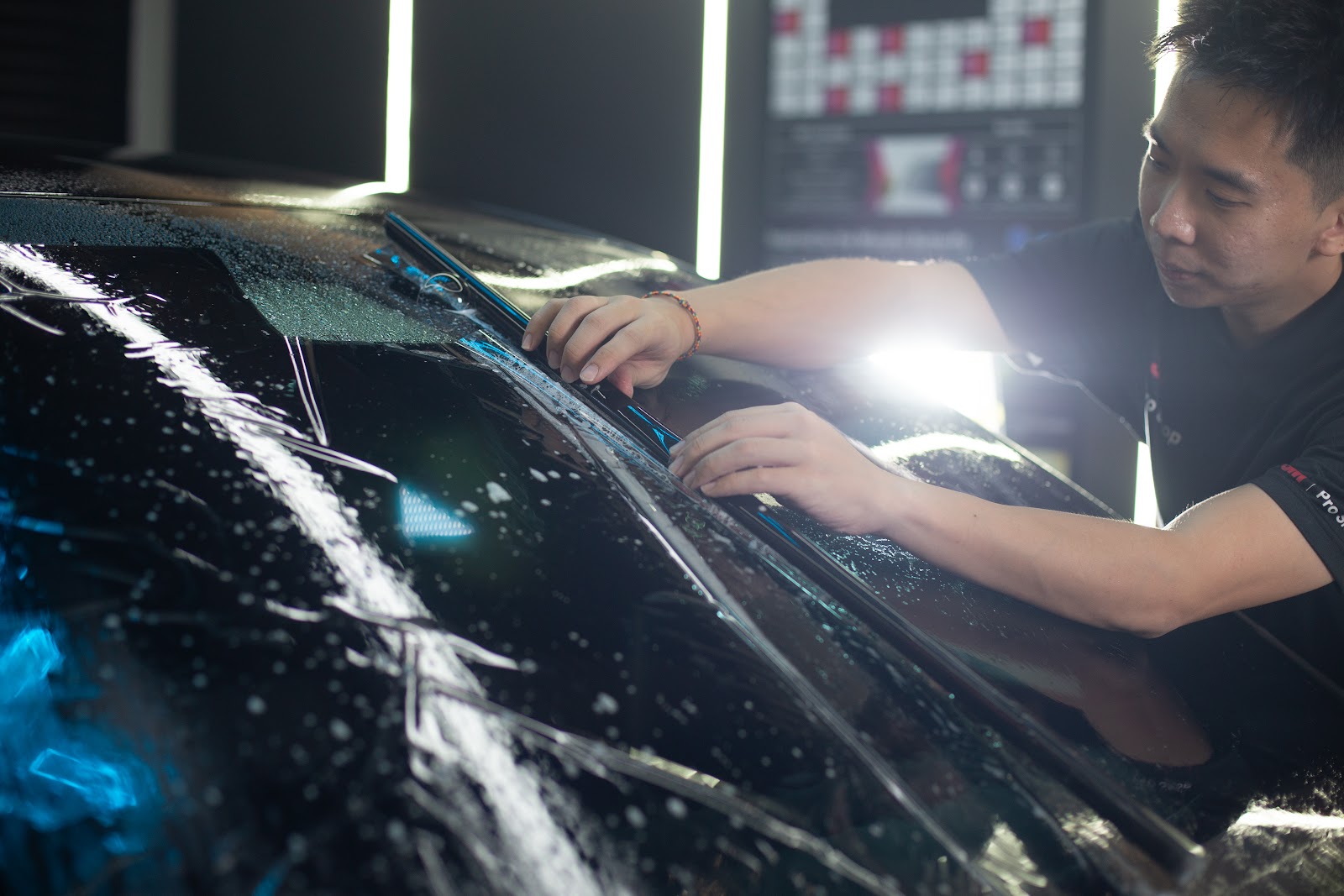
Before you go, give the glass a quick wash so the installer can inspect the contamination level under shop lighting. If hard-water etching is severe, the dealer may recommend a deeper polish or, in rare cases, a glass replacement. Either way, you walk away with a clear view in the rain and a wiper that finally does its job.

Find out the best protection for your car
Visit a 3M Pro Shop and discover the cost-effective 3M Protective Film and Window Tint
Windscreen Polish FAQ for Malaysian Drivers
Why is my windscreen blurry when it rains?
Your windscreen is blurry in the rain because a thin film of oil, exhaust residue, and hard-water minerals on the glass prevents water from spreading evenly. The wiper drags those uneven beads sideways, which creates the smeared look. New wipers cannot remove an oil film. Only a glass cleaner or a professional polish can.
How do I remove oil film from my car windscreen?
Use a glass-specific oil film remover such as Soft99 Glass Compound, applied with a damp microfibre and worked in small circles. Rinse and dry, then repeat the water test with clean water. If the water still beads unevenly, the contamination is too deep for DIY and you need a professional windscreen polish.
Why do my wipers chatter even after replacement?
Wiper chatter after replacement is almost always a glass problem. A waxy or oily film prevents the new rubber from gliding smoothly, and the blade skips instead of wiping. Clean the glass with an oil film remover or get a professional polish, then the new wiper will sweep silently.
How much does windscreen polish cost in Malaysia?
Windscreen polish in Malaysia costs between RM50 and RM263 depending on car size, shop standards, and whether a hydrophobic coating is included. A 3M Pro Shop windscreen polish with 3M Glass Coat Windshield is benchmarked at around RM150 at the time of writing. Confirm with your nearest outlet before booking.
Is Rain-X or Glaco better for Malaysian weather?
Both Rain-X and Soft99 Glaco improve rain visibility for a few weeks to a few months, but they need a perfectly clean glass surface to bond. Glaco tends to last slightly longer in tropical heat. For long-lasting hydrophobic performance, a professional 3M Glass Coat Windshield applied after polishing outperforms both DIY sprays.
How often should I polish my car windscreen?
Most Malaysian car owners need a professional windscreen polish every 18 to 24 months, or whenever the 30-second water test shows uneven beading. Cars parked outdoors, driven daily in heavy traffic, or washed at petrol stations may need polish more often. With a glass coating on top, the interval stretches longer.
Author

Fabian
He is passionate about revolutionizing the car protection services industry by bringing innovation and transparency to a traditionally opaque and often misunderstood field. His mission is to educate end users on the true benefits and importance of car protection, aiming to replace outdated practices with honest, customer-focused solutions. With a fresh approach to car tinting, paint protection film (PPF), and detailing services, he is committed to delivering a superior customer experience that sets a new standard in the market. He welcomes discussions about the future of the automotive industry and is eager to connect with like-minded professionals who share his vision for innovation, integrity, and excellence.
Experience the future of window tinting
Visit a 3M Pro Shop and discover the revolutionary Crystalline CR BLK film