
Why hydrophobic PPF still gets water etching in Malaysia
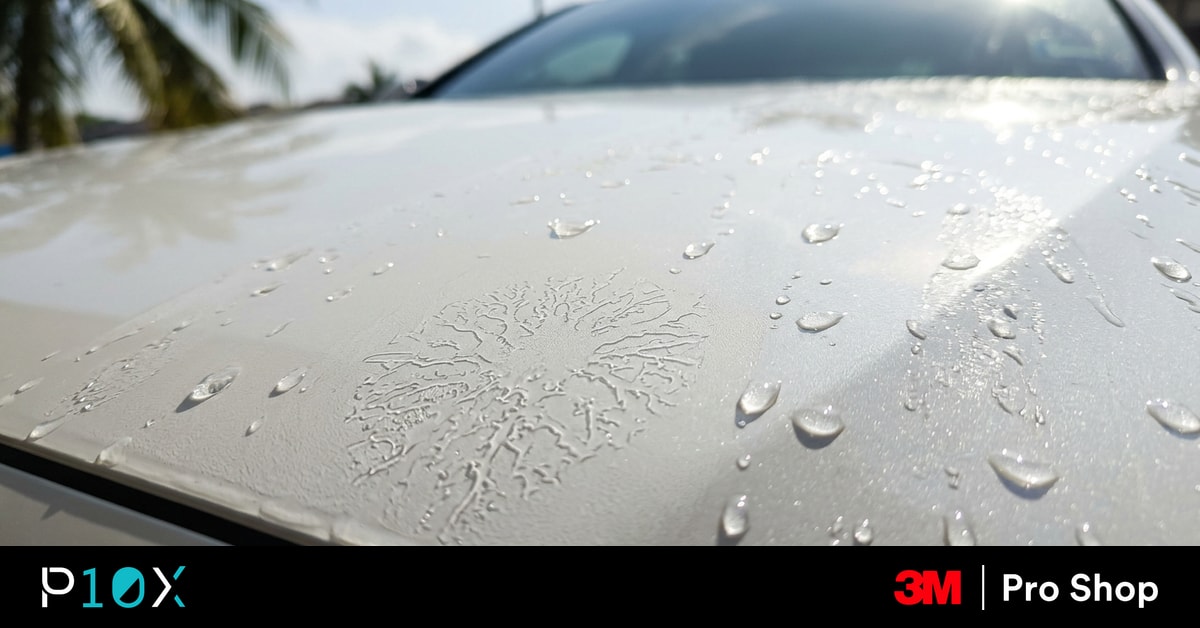
- Water etching on PPF is a surface mineral problem, not damage to your paint or to the film itself.
- A hydrophobic top coat slows water from sitting, but it cannot stop dissolved minerals from drying into spots.
- Klang Valley rain is slightly acidic, and our strong afternoon sun bakes mineral residue onto film fast.
- Most fresh etching lifts with a pH neutral remover, clean water, soft microfiber, and gentle heat.
- Deep or old etching, and any lifting film, belongs with a 3M Authorized Dealer rather than aggressive polishing.
Water etching on PPF is one of the most common complaints we hear from Malaysian car owners, usually a day or two after a heavy afternoon downpour in the Klang Valley. Many drivers assume that a hydrophobic paint protection film means water rolls off and leaves nothing behind. Then the sun comes out and faint cloudy rings appear across the bonnet and roof. This guide explains what those spots really are, why they still form on premium film, and how to remove and prevent them safely without harming the top coat.
What Water Etching on PPF Actually Is
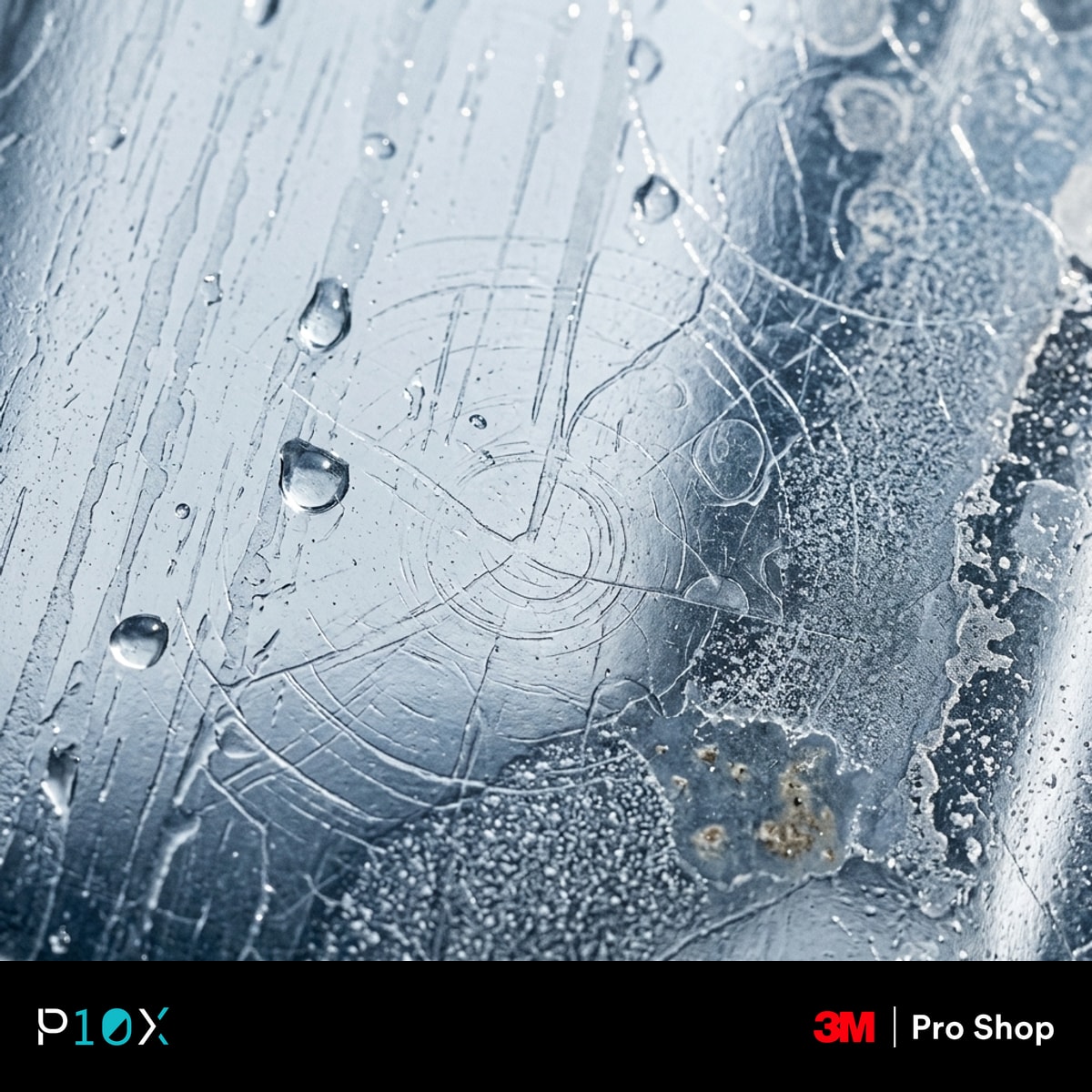
Water etching on PPF is a layer of dried mineral deposits sitting on top of the film. It is not a crack, a stain in your paint, or a defect in the film. Rainwater and tap water carry minerals like calcium and magnesium, and when the water evaporates those minerals stay behind as visible rings.
On paint protection film, these deposits rest on the clear top coat rather than in your paint. That is good news, because the paint underneath is still protected. It also means most spots are a cleaning problem, not a repair problem. The self healing top coat on premium film handles light marks well, but dried minerals still need to be lifted off correctly so you do not scrub the surface.
Why Hydrophobic PPF Still Gets Water Spots
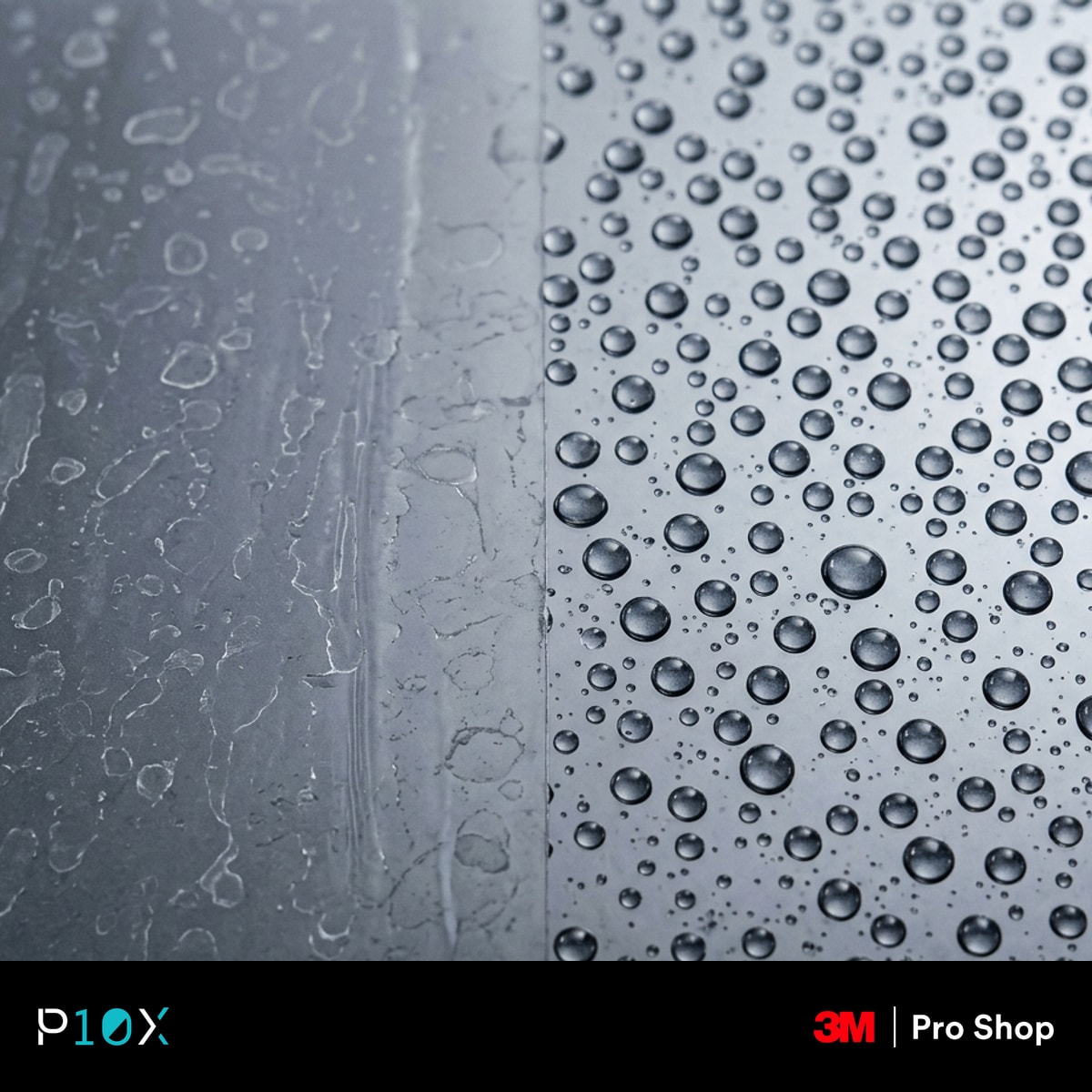
A hydrophobic finish reduces how long water sits on the surface, but it does not remove the minerals inside the water. Beading makes droplets bead up and run off faster, yet some water always clings to badges, panel gaps, mirror edges, and lower panels. When that trapped water dries, the minerals are left behind.
This is the core myth to bust. Hydrophobic is not the same as etch proof. Premium film such as the hydrophobic finish on 3M Paint Protection Film Series 150 sheds water better than entry level film, which lowers how often spots form. It cannot change the fact that mineral rich water leaves residue when it evaporates in the open. For a full routine that keeps the finish clear, see this guide on how to maintain PPF on a car in Malaysia.
How Malaysian Acid Rain Bakes Minerals Onto Film
Klang Valley rain is mildly acidic, with recorded rainwater pH often in the range of about 4.3 to 5.5, and our strong afternoon sun then bakes the residue onto the film quickly. The combination of acidic rain, haze borne sulphates, and high heat is what makes local water spotting more stubborn than a simple tap water mark.
The cycle usually runs in three steps. First, rain hits the car while it is parked in an open lot at a mall or office. Second, the clouds clear and the panel temperature climbs fast under direct sun. Third, the water evaporates while hot, curing the dissolved minerals into a firmer deposit that does not wipe away with a casual swipe. The longer that residue sits through repeated rain and sun cycles, the harder it becomes to lift.
Where Water Etching Shows Up First on Your Car
Water etching tends to appear first on flat, upward facing panels that catch the most rain and sun, then in the spots where water pools and dries slowly. Knowing these zones helps you check and clear them before the minerals cure on.
The usual hotspots are the bonnet, roof, and boot lid, which sit flat and bake under the midday sun. Water also gathers along the lower doors, around badges and emblems, near panel gaps and shut lines, and along mirror edges. These trapped pockets dry last, so they collect the heaviest rings. A quick wipe of these areas after a wet drive clears most of the risk.

5 Steps to Remove Water Etching Safely
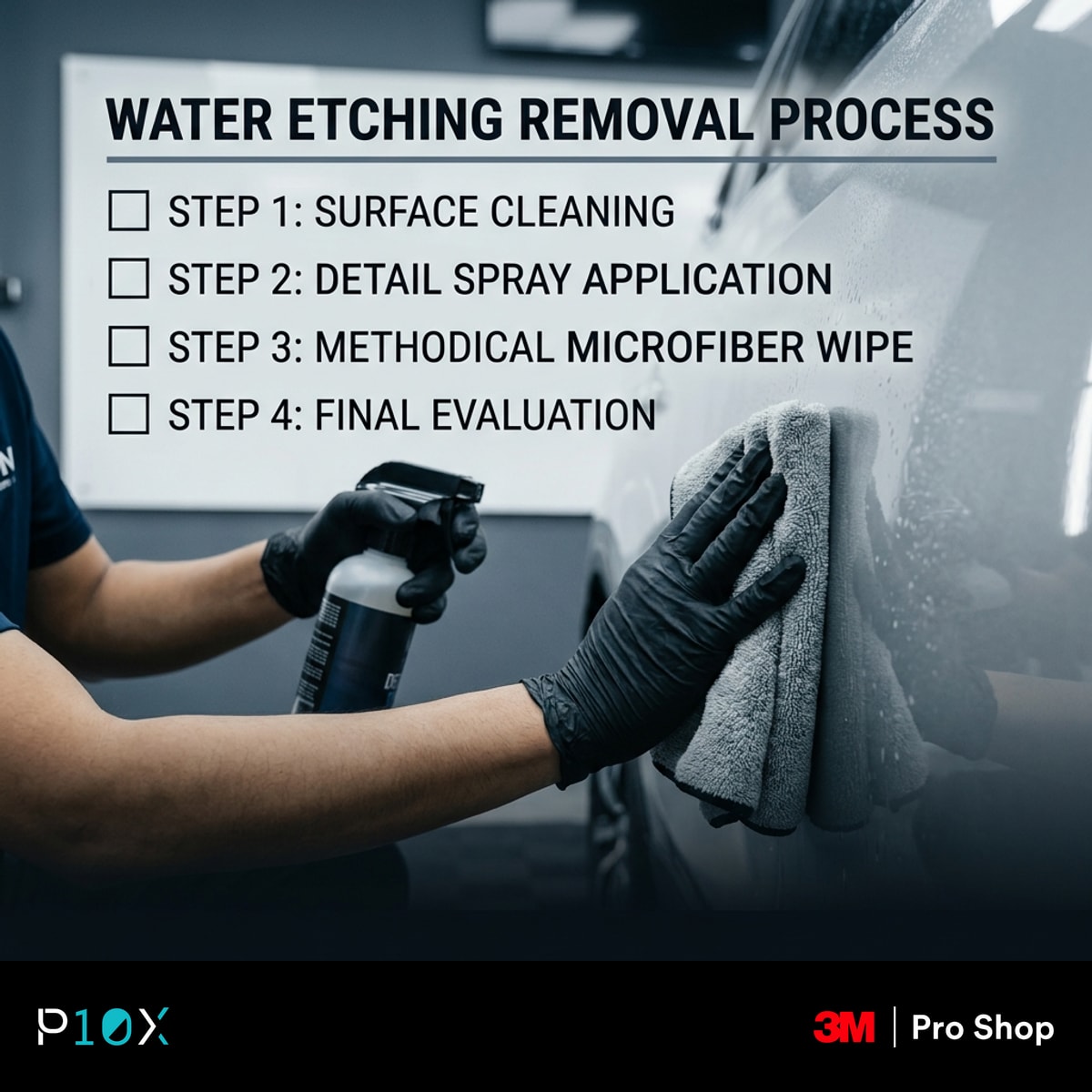
Most fresh water etching comes off with a gentle, ordered method that protects the top coat. Work in the shade on a cool panel, never in direct sun, and never use abrasive pads or acidic home remedies. The five steps below move from the mildest action to the strongest, so you only escalate if the marks remain.
Rinse With Clean Water
Start by rinsing the panel with clean water to remove loose dust and grit. Grit is what causes fine scratching, so flushing it away first matters more than people expect. If you have access to filtered or distilled water for the final rinse, use it, because it leaves far less mineral residue of its own.
Apply a pH Neutral Remover
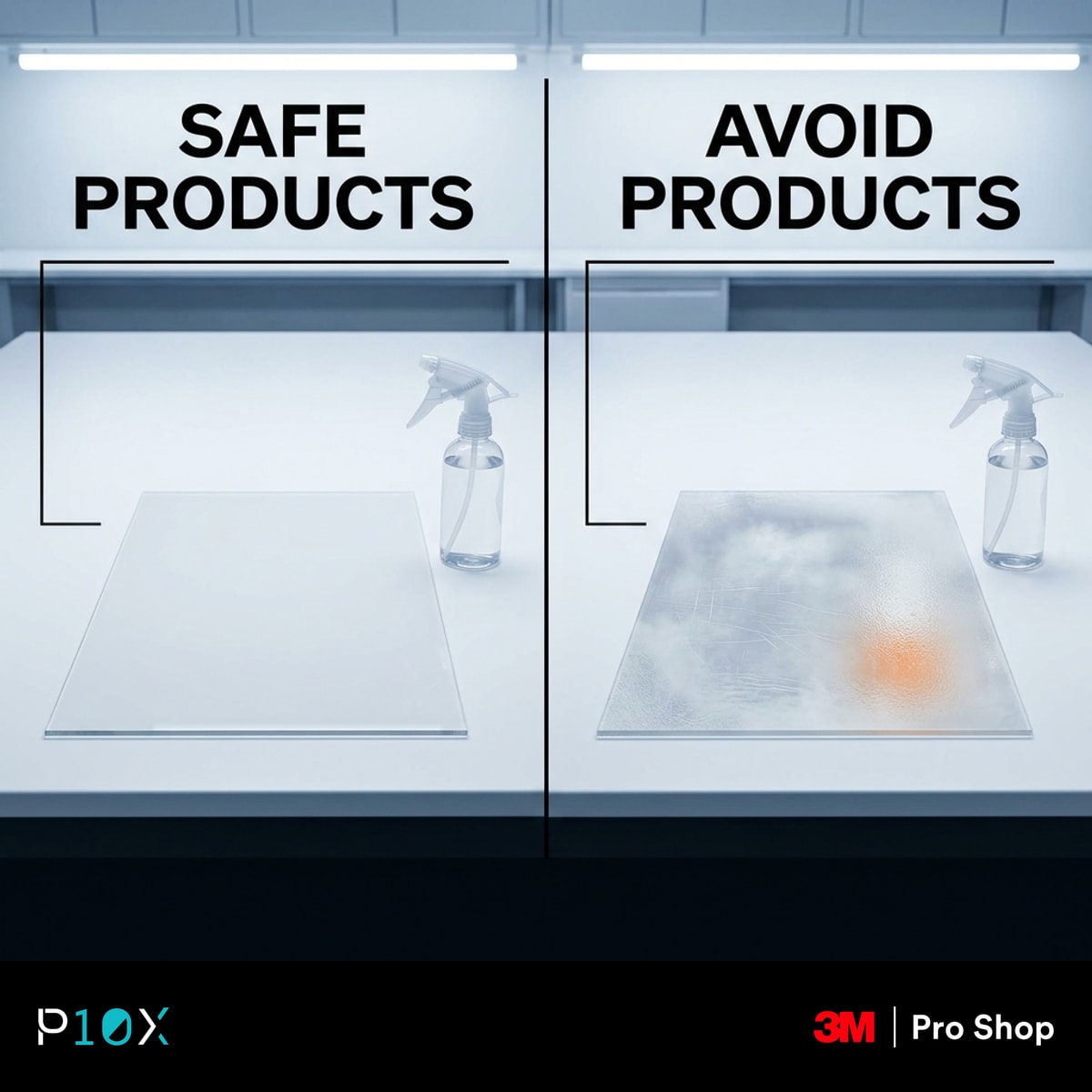
Spray a pH neutral, PPF safe cleaner or a dedicated water spot remover onto the affected area and let it dwell for a short time. A neutral formula loosens the mineral bond without attacking the film. Avoid strong acids and harsh degreasers, which can dull or stress the top coat.
Wipe With Soft Microfiber
Wipe gently with a clean, soft microfiber cloth using light, straight passes rather than hard circular scrubbing. Use a fresh side of the cloth often so you are not dragging lifted minerals back across the film. Let the product do the work instead of pressure.
Use Gentle Heat on Minor Marks
For light marks that remain, gentle warmth helps the self healing top coat relax and recover. Warm sunlight or a hair dryer on a low setting is usually enough. Keep the heat moving and moderate, since the goal is a warm surface, not a hot one.
Re-protect the Film
Finish by drying the panel fully with a plush microfiber towel and reapplying a PPF safe sealant or topper if you use one. Re protecting restores the slick, hydrophobic behaviour and makes the next round of rain easier to manage.
Best After-Rain Routine for Condo Drivers
The simplest fix is to stop spots from baking on in the first place, and that takes only a minute or two after rain. If you can reach the car before the sun dries it, a quick rinse or a rinseless wipe down clears the mineral rich water before it cures. This is realistic even for condo dwellers who park in a basement and only see open sky on the drive home.
Keep a rinseless solution and two plush microfiber towels in the boot. After a wet drive, a gentle panel by panel wipe on the bonnet, roof, and boot lid removes most standing water. For a complete method built around limited space and no hose, follow this routine on how to wash a PPF car in a condo.
How a Topper Makes After-Rain Cleaning Easier
A fresh sealant or ceramic topper on your PPF will not make it etch proof, but it adds slickness that helps mineral rich water sheet off and makes any spots that do form much easier to wipe away. Think of it as lowering the effort, not removing the task.
A topper also renews the slick behaviour that wears down over months of washing and sun. With a good layer in place, an after rain wipe down takes less product and less pressure, which is gentler on the film. Reapply on the schedule your installer or product label suggests, and pair it with the quick after rain routine above for the best results in the Klang Valley climate.
Water Etching vs PPF Hydrolysis: Know the Difference
Water etching and hydrolysis are two different problems, and mixing them up leads to the wrong fix. Water etching is a surface deposit on the top coat that cleaning can usually remove. Hydrolysis is a breakdown of the film material itself after years of heat and moisture, where the film turns hazy or gummy and needs replacement.
| Water etching | PPF hydrolysis |
|---|---|
| Mineral deposits sitting on the top coat | Breakdown of the film base over years of use |
| Looks like cloudy rings or spots | Film looks hazy, gummy, or glue like |
| Usually lifts with safe cleaning | Usually needs film removal and replacement |
| A maintenance task | An end of life signal for that film |
If your film is years old and the haze does not clean off, the issue is more likely material breakdown than surface etching. We cover climate based replacement timing in a separate article on PPF that turns to glue, and we will link it here once it is published.
Common Mistakes That Worsen PPF Etching
The fastest way to turn a light spot into a lasting mark is to reach for the wrong product. Avoid household acids, abrasive polishes, and hot, dry panels, all of which stress the top coat or grind minerals deeper into the surface. Patience with a mild method beats force every time.
The three mistakes we see most often are using vinegar or other acidic cleaners in the belief that acid dissolves the spot, machine polishing the film as if it were paint, and wiping panels dry under direct midday sun. For a wider list of habits to avoid across your whole routine, read these common PPF care mistakes.
When to See a 3M Authorized Dealer
If the etching is deep, old, or spread across many panels, or if you notice the film lifting at the edges, it is time for professional help rather than harder scrubbing. A trained installer can assess whether the marks are surface deposits or a sign the film is near the end of its life, then choose a safe correction.
This is also the safest route if you are unsure what you are looking at. A 3M Authorized Dealer such as 3M Pro Shop by P10X can inspect the film, treat stubborn deposits correctly, and advise on timing. You can find an outlet through the 3M Pro Shop locations page, and if it is approaching a scheduled check, see when to book a professional PPF check-up.
Choosing Your After-Rain PPF Routine
The practical takeaway is simple. Treat water etching as routine surface care, act before the sun bakes the residue on, and reach for mild methods first. A quick after rain rinse, a pH neutral remover when spots appear, and gentle heat on light marks will handle the large majority of cases for a Malaysian daily driver.
If spots keep returning in the same places or refuse to lift, do not escalate to acids or machine polishing. Note where the marks gather, keep your cleaning gentle, and book an inspection with a certified installer who can confirm whether it is etching or film age before any correction.
Find out the best protection for your car
Visit a 3M Pro Shop and discover the cost-effective 3M Protective Film and Window Tint
Water Etching on PPF: Frequently Asked Questions
Does PPF prevent water spots?
No. PPF protects your paint, and a hydrophobic top coat helps water run off faster, but it does not stop dissolved minerals from drying into spots on the film surface. The film reduces how often spotting happens rather than removing the cause.
Can water spots be removed from PPF?
Yes, most can. Fresh spots usually lift with clean water, a pH neutral or PPF safe water spot remover, and a soft microfiber cloth. Light remaining marks often improve with gentle heat thanks to the self healing top coat. Old, baked on deposits may need a professional.
Is vinegar safe on PPF?
It is better to avoid it. Vinegar is acidic, and acidic cleaners can stress or dull the top coat over time. A pH neutral, PPF safe product is the safer choice for lifting mineral spots without risking the film.
Why does my PPF have water spots after rain?
Rainwater in the Klang Valley is mildly acidic and carries minerals and haze particles. When it dries on a hot panel under strong sun, those minerals cure onto the film as cloudy rings. Parking in the open and letting the car air dry makes it more likely.
Does a ceramic coating on PPF stop water etching?
A ceramic topper on PPF adds slickness and makes spots easier to wipe off, but it does not make the surface etch proof. Minerals can still dry on top of a coating, so the same gentle cleaning habits still apply.
Author

Fabian
He is passionate about revolutionizing the car protection services industry by bringing innovation and transparency to a traditionally opaque and often misunderstood field. His mission is to educate end users on the true benefits and importance of car protection, aiming to replace outdated practices with honest, customer-focused solutions. With a fresh approach to car tinting, paint protection film (PPF), and detailing services, he is committed to delivering a superior customer experience that sets a new standard in the market. He welcomes discussions about the future of the automotive industry and is eager to connect with like-minded professionals who share his vision for innovation, integrity, and excellence.
Experience the future of window tinting
Visit a 3M Pro Shop and discover the revolutionary Crystalline CR BLK film