
Warning signs your car needs immediate attention in Malaysia

- Car warning signs in Malaysia show up in five ways, dashboard lights, unusual noises, strange smells, fluid leaks and changes in handling.
- Treat dashboard colours simply, red means stop or act now, amber means check soon, green or blue is information only.
- A flashing check engine light is more serious than a steady one and usually means stop driving.
- Sweet smells point to coolant, rotten egg smells point to the emissions system, and burning smells point to belts, oil or brakes.
- When unsure, use one rule, if it affects stopping, steering or engine temperature, stop safely and get help rather than pushing on.
Knowing the common car warning signs in Malaysia can be the difference between a quick workshop visit and a breakdown on the PLUS highway in heavy traffic. Your car usually tells you something is wrong before it fails, through a light, a noise, a smell, a leak or a change in how it drives. The trick is reading those signals early and knowing how urgent each one is.
This guide organises the warning signs by how you actually notice them, then gives you a clear urgency rule for each. You will learn which signs mean stop now, which mean book a workshop soon, and which you can monitor. The aim is to keep you safe and calm, not to make you panic at every blinking light.
What Counts as a Car Warning Sign in Malaysia
A car warning sign is any signal that something needs attention, and they come in five forms, dashboard lights, noises, smells, leaks and changes in handling. The fastest way to judge urgency is colour and behaviour. Red warnings mean stop or act now, amber means check soon, and green or blue is simply information.
Not every sign means an immediate breakdown, but none should be ignored. A small noise today can become an expensive repair next month. Throughout this guide, match each sign to its urgency rather than treating them all as emergencies, so you act fast when it matters and stay calm when it does not.
Dashboard Warning Lights You Should Never Ignore
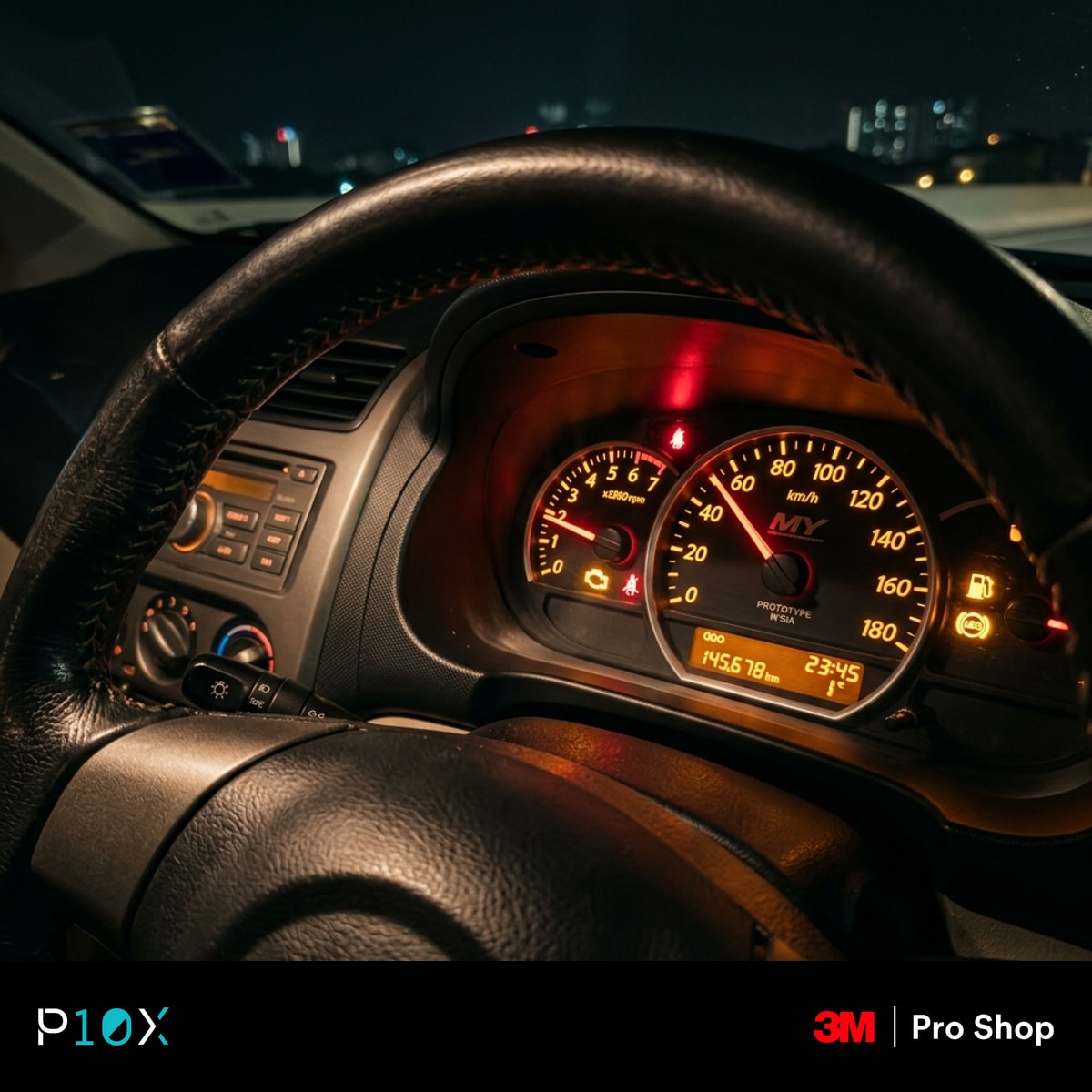
Dashboard lights are your car's clearest warnings, and a few should never be ignored. As a rule, a red light means stop safely as soon as you can, while an amber light means investigate soon. The lights below point to systems where delay can turn a small issue into engine or safety damage.
Check Engine Light: steady versus flashing
A steady check engine light means have the car scanned soon, often for a sensor or emissions issue. A flashing check engine light is more serious and usually signals a misfire that can damage the catalytic converter. If it flashes, ease off, reduce speed and head to a workshop rather than continuing a long drive.
Oil pressure warning light
The oil pressure light, often an oil can symbol, means the engine may not be getting enough oil pressure. This is a stop now warning. Running an engine with low oil pressure can cause severe damage in minutes, so pull over safely, switch off and check the oil level before deciding to drive again.
Coolant temperature warning light
A red temperature light or a gauge climbing toward red means the engine is overheating, common in our traffic and heat. Stop safely, switch off and let it cool before checking coolant. Driving on while overheating risks a warped head or blown gasket, which is far costlier than waiting.
Battery and charging light
The battery shaped light usually means a charging fault, often the alternator or belt rather than the battery alone. The car may keep running for a short while on battery power, then stall once it drains. Treat it as urgent and get to a workshop before the car loses electrical power.
Brake system warning light
A brake warning light can mean low brake fluid, a fault, or simply the handbrake left on. If it stays on with the handbrake released, or comes with a soft pedal, treat braking as compromised. Slow down, keep distance and get it checked immediately, since this is a core safety system.
Unusual Noises That Signal Car Trouble
New noises are early warnings worth diagnosing by where and when they happen. A sound that appears under braking, over bumps or with speed often points to a specific worn part. Catching these early usually means a cheaper repair and avoids a roadside failure.
Squealing or grinding brakes
A high squeal often means brake pads are wearing thin, while a harsh grinding usually means they are gone and metal is on metal. Grinding is a stop and inspect sign, since it damages discs and lengthens stopping. Do not delay brake noises, as covered in our DIY vs professional car maintenance guide, this is workshop only work.
Knocking or ticking engine
A knocking or heavy ticking from the engine can point to low oil, worn components or fuel issues. A deep, rhythmic knock that rises with engine speed is serious. Check your oil level first, and if the noise persists, have it diagnosed before driving far, since engine damage escalates quickly.
Roaring wheel-bearing hum
A droning hum that grows with speed and changes when you turn often means a worn wheel bearing. It rarely fails instantly, but it should be checked soon, since a failing bearing affects handling and can seize. Note which side the sound comes from to help the workshop.
Strange Smells That Mean Immediate Attention
Smells are underrated warnings, and each one points to a different system. If a smell is strong, new or comes with smoke or a warning light, treat it as urgent. The three below are the ones Malaysian drivers report most and should never brush off.
Sweet syrupy coolant smell
A sweet, syrupy smell usually means a coolant leak, often from a hose, radiator or the cabin heater core. Combined with a rising temperature gauge, it points to overheating risk. Stop and check coolant when cool, and have the leak traced, since losing coolant leads quickly to engine damage.
Rotten-egg sulfur smell
A rotten egg or sulfur smell usually points to a problem in the emissions system, often the catalytic converter, or sometimes the fuel system or battery. It is not something to ignore. Have it diagnosed soon, since a failing converter affects performance and can be expensive if left.
Burning rubber or oil smell
A burning smell can mean a slipping belt, oil leaking onto a hot engine, or overheating brakes. If you also see smoke, stop safely and switch off. Burning smells with any warning light or visible smoke are a stop now sign rather than a drive home and check later situation.
Fluid Leaks and Handling Red Flags
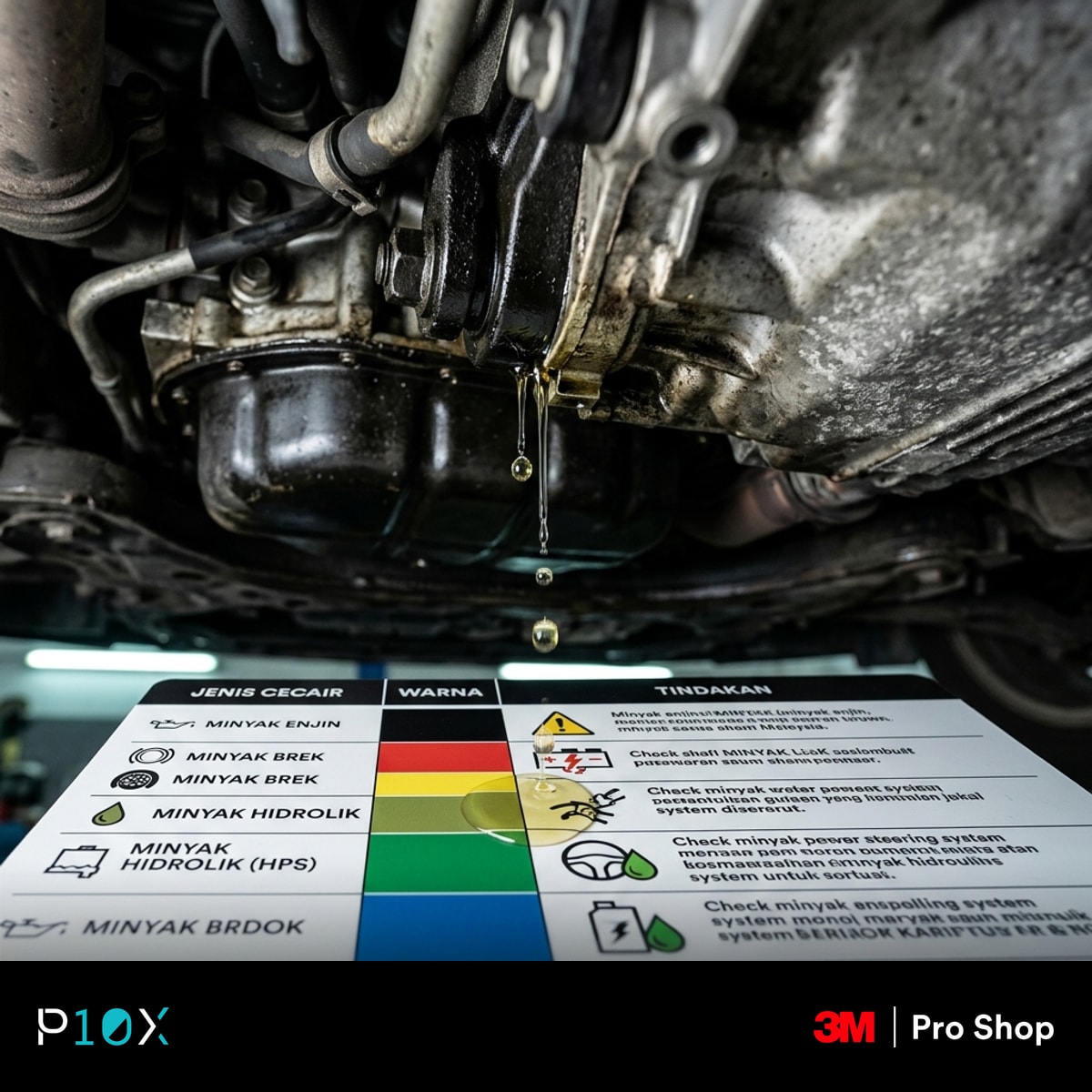
Leaks and changes in handling are physical warnings you can see and feel. A puddle under the car, a pull to one side, a soft brake pedal or new vibration all point to something that needs attention. Use leak colour and how the car feels to judge urgency.
For leaks, colour helps, clear to light brown is usually engine oil, green or orange is coolant, and red points to transmission or power steering fluid. Clear water from the aircon on a hot day is normal. For handling, a soft or sinking brake pedal is a stop now sign, while pulling, shaking at speed or a vibrating steering wheel should be checked soon. These often link to alignment, tyres or worn suspension, the kind of issues our used car maintenance guide watches for on older cars.
What to Do When a Warning Sign Appears
When a warning sign appears, judge it with one simple rule, does it affect stopping, steering or engine temperature. If yes, stop safely and get help. If not, you can usually drive gently to a workshop soon. This decision layer matters more than memorising every symbol.
| Urgency | What to do | Examples |
|---|---|---|
| Stop now | Pull over safely, switch off, call for help | Oil pressure light, overheating, soft brake pedal, smoke |
| Workshop soon | Drive gently, book within days | Steady check engine light, wheel bearing hum, minor leak |
| Monitor | Note it, watch for change | Amber info lights, faint new noise, clear aircon water |
In a Klang Valley jam, if a red light comes on, signal early, move to the left or hard shoulder when safe, and switch off rather than crawling on. Use e hailing or a tow instead of risking engine damage. Keep repair cost in perspective, fixing early is almost always cheaper than ignoring a red flag. Treat all RM figures you find online as estimates and confirm with a local workshop.
Warning Signs You Feel in Steering, Pedals and Ride
Some of the clearest warnings are felt rather than seen, through the steering wheel, the pedals and how the car rides. A change in feel usually points to tyres, suspension, brakes or steering, and it should be checked before it worsens. Trust your hands and feet here.
Vibration that builds with speed
A vibration that grows as you speed up often points to unbalanced or worn tyres, a buckled rim or worn driveline parts. If the steering wheel shakes at highway speed, have the wheels balanced and inspected. Left alone, it wears tyres unevenly and stresses suspension joints.
Steering that pulls or feels heavy
A car that pulls to one side can mean uneven tyre pressure, poor alignment or a brake issue, while suddenly heavy steering can point to a power steering fault. Note when it happens and get it checked, since steering is a core safety system you should never gamble on.
Clunks and knocks over bumps
A clunk or knock when crossing bumps and humps often means worn suspension parts such as bushes, links or absorbers. It may not be urgent, but it affects control and tyre life. Have it inspected soon, especially before a long balik kampung drive.
Why Malaysia's Heat and Traffic Worsen Warning Signs
Local conditions speed up many of these problems, which is why early action matters even more here. Constant heat strains the battery and cooling system, while stop start city traffic wears brakes faster and keeps the engine hot in jams. Floods add their own risks.
A battery that might last longer in a cooler climate often tires after two to three years in our heat. Brakes worked hard in daily Klang Valley crawls wear sooner, so a squeal can appear earlier than you expect. Overheating warnings show up most in slow traffic under the midday sun. Reading these signs in a Malaysian context helps you judge urgency rather than ignore an early signal.

What Ignoring a Warning Sign Can Cost You
Acting early is almost always cheaper than waiting, because one failing part often damages others. A thin brake pad left too long scores the disc, and a small coolant leak left unchecked can lead to overheating and engine damage. The longer a red flag is ignored, the bigger the repair.
As a rough idea, replacing worn brake pads costs far less than pads plus new discs, and fixing a coolant hose costs far less than repairing a warped cylinder head. Treat all figures online as estimates and confirm with a local workshop, since prices vary by car and parts. The simple lesson holds, a small spend now usually prevents a large one later.

How Routine Checks Stop Warning Signs Early
Most warning signs can be caught before they ever light up your dashboard with a short monthly walk around. Spending a few minutes on tyres, lights, fluids and a listen for new noises lets you fix small issues on your terms rather than at the roadside. Prevention beats reaction every time.
Once a month, check tyre pressure and tread, test all lights, look under the car for fresh drips, and top up fluids as needed. Listen for any new squeal, knock or hum on your first drive of the day when sounds are clearest. Anything new gets noted and watched, and anything affecting safety gets booked in. This habit turns surprise breakdowns into planned, smaller fixes.
Reading Your Car's Signals Before They Get Worse
The drivers who avoid breakdowns are the ones who treat early signals seriously and act on the right urgency. Learn the five sign types, trust the red, amber and green logic, and apply the stopping, steering or temperature rule when you are unsure. That calm, simple approach keeps small issues from becoming roadside emergencies.
Pair this with regular upkeep so problems are caught before they ever light up your dashboard. Build the habit using our monthly car maintenance tips checklist and prepare for local conditions with our seasonal car care tips. When a warning sign clearly affects safety, the next step is easy, get to a trusted workshop and have it checked.
Find out the best protection for your car
Visit a 3M Pro Shop and discover the cost-effective 3M Protective Film and Window Tint
Frequently Asked Questions
What are the warning signs your car needs immediate attention?
The clearest signs are a red dashboard light, a flashing check engine light, an overheating gauge, a soft or sinking brake pedal, visible smoke or a strong burning smell. Any of these means stop safely and get help, since they point to safety or major engine risk.
Can I drive with the check engine light on?
A steady check engine light usually lets you drive gently to a workshop soon for a scan. A flashing check engine light is more serious, often a misfire, and you should slow down and stop driving far to avoid damaging the catalytic converter. When unsure, get it scanned quickly.
What does a red dashboard warning light mean?
A red dashboard light means stop or act now. It points to a serious issue such as low oil pressure, overheating or a brake fault. Amber lights mean check soon, while green or blue lights are information only. Always treat red as the most urgent.
Why does my car smell like rotten eggs?
A rotten egg or sulfur smell usually points to the emissions system, often a failing catalytic converter, and sometimes the fuel system or battery. It is not normal and should be diagnosed soon, since a failing converter affects performance and can be costly if ignored.
What does it mean when my car makes a grinding noise when braking?
Grinding when braking usually means the brake pads are worn out and metal is contacting the disc. This lengthens stopping distance and damages the discs. Treat it as a stop and inspect sign, and have the brakes checked at a workshop before driving further.
Author

Fabian
He is passionate about revolutionizing the car protection services industry by bringing innovation and transparency to a traditionally opaque and often misunderstood field. His mission is to educate end users on the true benefits and importance of car protection, aiming to replace outdated practices with honest, customer-focused solutions. With a fresh approach to car tinting, paint protection film (PPF), and detailing services, he is committed to delivering a superior customer experience that sets a new standard in the market. He welcomes discussions about the future of the automotive industry and is eager to connect with like-minded professionals who share his vision for innovation, integrity, and excellence.
Experience the future of window tinting
Visit a 3M Pro Shop and discover the revolutionary Crystalline CR BLK film