
What to check before tint or PPF in Malaysia
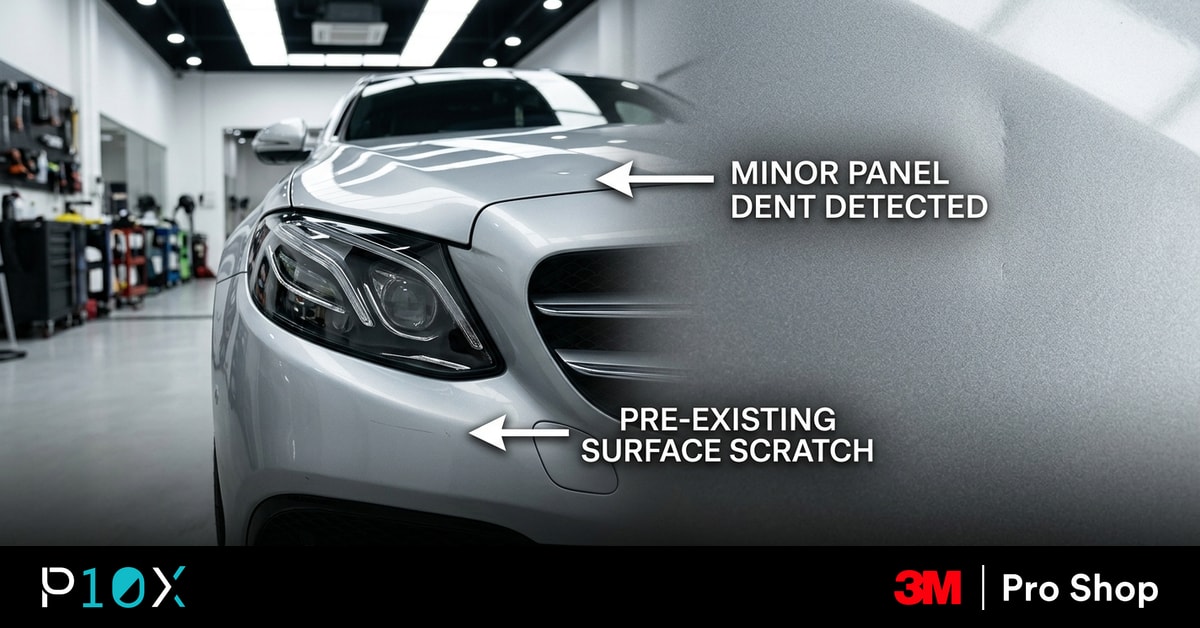
- A pre-installation check finds the hidden paint and glass problems that tint or PPF cannot fix, so you do not lock defects under the film.
- The main paint risks are resprayed panels, thinning clearcoat, and trapped chips, swirls, or contamination.
- The main glass risks are windscreen chips or cracks and worn seals or leftover tint adhesive.
- A proper shop reads your car with a paint depth gauge, a UV lamp, and panel-gap checks, and there is no single pass or fail micron number.
- Fix the paint and glass first, then protect with a certified 3M Authorized Dealer for a warranty-backed install.
Before you commit to PPF or tint in Malaysia, it pays to check your car's paint and glass for hidden problems that film simply cannot fix. Paint protection film and window tint are sealing layers. They lock in whatever is underneath, good or bad. For used-car and recond buyers especially, a panel that looks clean under showroom lights can hide a respray, a thinning clearcoat, or a windscreen chip waiting to spread. This guide is the shop-side checklist: the exact paint and glass issues a pre-installation check surfaces, why each one threatens your film, and what to do about it before any roll of PPF or tint touches your car.
If you would rather start with a quick self-check at home first, our guide on how to spot hidden paint and glass issues before tint or PPF walks through the owner-friendly version. This article goes deeper into what a professional actually looks for.
Why Hidden Damage Matters Before Tint or PPF
Before tint or PPF, a pre-installation check looks for hidden paint and glass problems such as respray, clearcoat damage, chips, swirls, windscreen cracks, and failing seals. Catching these first matters because film seals defects in place and can lift over weak or repainted surfaces, turning a protection upgrade into an expensive mistake.
PPF is meant to last for years. If it bonds to a weak or contaminated surface, it can lift, bubble, or even pull paint when it is removed. Tint over damaged glass can fail just as fast. A pre-installation inspection is the cheapest insurance you can buy before spending thousands of ringgit on film. This is why a professional pre-installation car inspection in Malaysia is the first step any serious shop insists on.

Hidden Paint Problems to Spot
The paint problems that matter most before PPF are the ones you cannot see at a glance. A respray, a thinning clearcoat, or trapped chips and swirls all change how the film bonds and how your paint looks years later. Here are the three a shop checks first.
Respray and repainted panels
A previous respray is the single biggest concern. Aftermarket paint is often softer, thinner, and not fully cured. Fresh paint also needs roughly 30 to 60 days to outgas solvents before film goes on, otherwise trapped gas causes bubbles. 3M PPF warranties specifically disclaim damage caused by weak adhesion, respray, or poor preparation, so film over an unknown respray is a risk you carry yourself. For the full picture, see how PPF over a respray can lift and cost you a new bumper.
Clearcoat thinning and failure
Heavy machine polishing or repeated compounding over the years can wear the clearcoat thin. Film bonds to the clearcoat, not the colour layer, so a failing or thin clearcoat means weaker adhesion and a higher chance of peeling later. A shop reads this with a paint depth gauge and a trained eye for dullness or strike-through at panel edges.
Chips, swirls, and contamination
Stone chips, swirl marks, embedded iron, tar, and bonded contamination do not disappear under PPF. They get sealed in permanently and are magnified by the gloss of the film. Any paint correction or decontamination has to happen before the film goes on, never after.
| Paint problem | How it shows up | Why it threatens film | What to do |
|---|---|---|---|
| Respray or repainted panel | Uneven paint depth, overspray or masking lines at edges | Soft, uncured paint causes bubbles and lifting | Confirm cure and adhesion, wait 30 to 60 days |
| Thin or failing clearcoat | Dull patches, strike-through at edges, low depth reading | Film bonds to clearcoat, so it peels sooner | Assess the panel, refinish if needed |
| Chips, swirls, contamination | Visible marks, rough feel, iron or tar spots | Defects get locked in and magnified by gloss | Correct and decontaminate before film |
Hidden Glass Problems to Spot
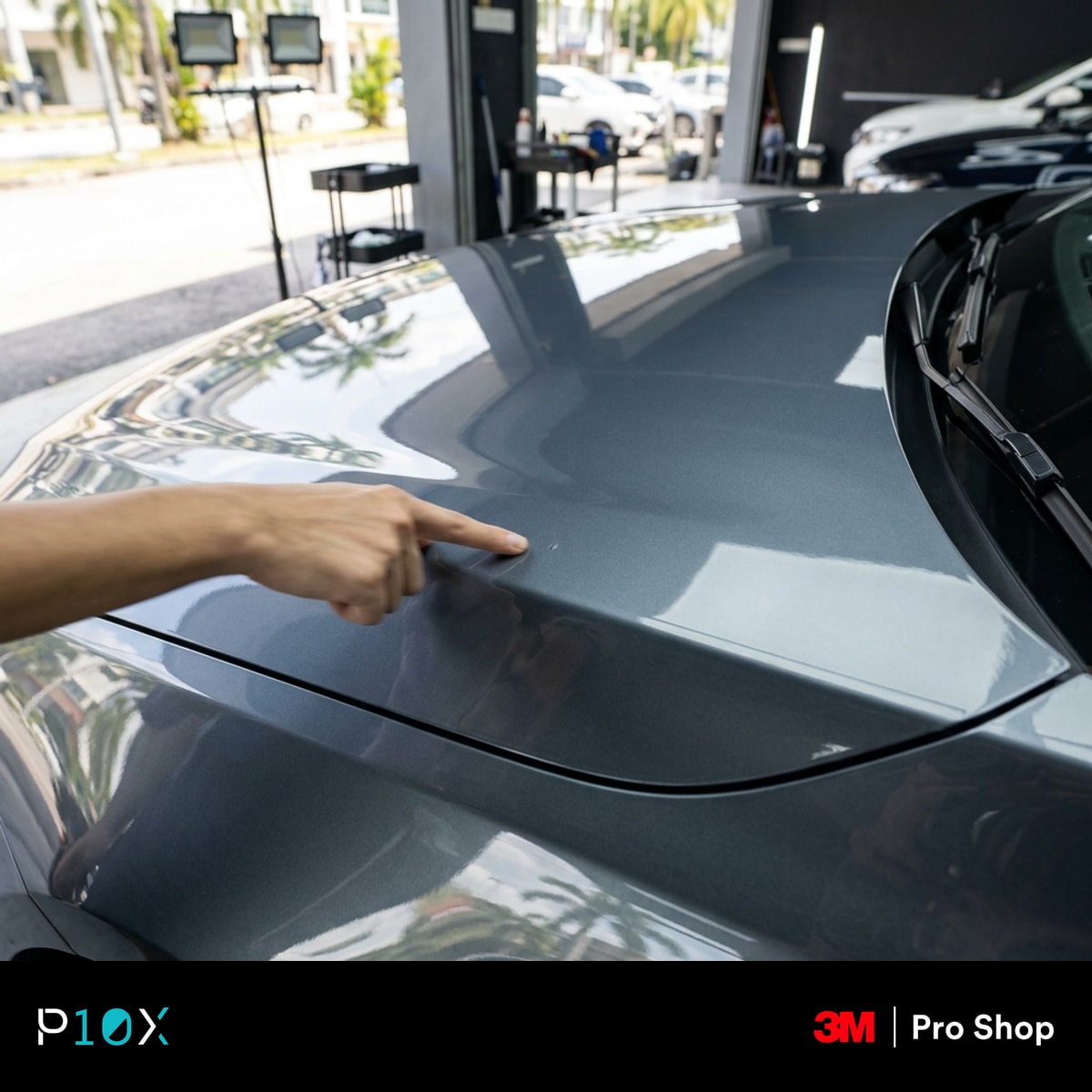
Glass problems are easy to miss until the tint is already on. A windscreen chip, a hairline crack, perished seals, or leftover adhesive from old film can all sabotage a fresh tint job or shorten its life. Check the glass as carefully as the paint.
Windscreen chips and cracks
A small chip or hairline crack can spread under the heat and pressure of tint installation, or simply keep growing afterwards. Tinting over compromised glass risks a wasted install if the glass later has to be replaced. Repair or replace the glass first, then tint.
Worn seals and existing tint residue
Perished or lifting rubber seals trap water and let it seep behind the film, causing bubbles and peeling at the edges. Old tint that was poorly removed often leaves an adhesive haze that stops new film from sitting clean. Both need attention before a new tint goes on.
| Glass problem | How it shows up | Why it threatens film | What to do |
|---|---|---|---|
| Windscreen chip or crack | Small star chip or hairline line in the glass | Heat and pressure can spread it, wasting the tint | Repair or replace glass before tinting |
| Worn or perished seals | Cracked, hard, or lifting rubber at window edges | Traps water behind film, causing edge bubbles | Replace seals before new film |
| Old tint adhesive residue | Hazy film or glue marks after a poor removal | Stops new film bonding cleanly | Strip and clean fully before re-tint |
Tools a Pro Shop Uses to Find Them
The reason a shop catches what owners miss comes down to tools and method. A few simple instruments turn a guess into evidence about your paint and glass before any film is committed.
- Paint depth gauge. Measures coating thickness. Factory paint usually sits around 90 to 160 microns. A respray often reads above 200 microns or jumps unevenly between panels. There is no universal pass or fail number, so the reading is always judged in context against the rest of the car.
- UV inspection lamp. Reveals blended repairs and body filler that hide under normal light.
- Panel-gap and masking-line check. Overspray or hard masking lines at door gaps, badges, and rubber seals point to past bodywork.
- Body filler and infrared check. Confirms filler under the paint that would weaken film adhesion.
For a step-by-step of the full process, see what to expect during a 3M Pro Shop pre-installation car inspection.

What Happens If These Are Missed
Skipping the check does not save money. It moves the cost down the road. When hidden problems are sealed under film, the bill almost always lands later, and bigger.
Film laid over a weak respray can lift and bubble within months, and aggressive removal can pull paint off with it. Chips and swirls left uncorrected stay locked under the gloss for the life of the film. A windscreen crack that was tinted over can spread and force a glass replacement that throws away the tint. Worst of all, a warranty claim can be denied if the surface was never sound to begin with.

What to Do When a Problem Is Found
Finding a problem is good news. It means you can fix it before spending on film. The right order is always inspect, correct, then protect.
- Respray. Wait out the full outgassing window of about 30 to 60 days and confirm adhesion before any film.
- Thin or failing clearcoat. Get a professional assessment. Sometimes a panel needs refinishing first.
- Chips, swirls, contamination. Carry out paint correction and decontamination before PPF.
- Glass chips or cracks. Repair or replace the glass, and only then tint.
- Worn seals or old adhesive. Replace the seals and remove residue properly before new film.
The simplest safeguard is to use an installer who inspects first and stands behind the result. A 3M Authorized Dealer such as 3M Pro Shop by P10X, with outlets in Kepong, Sunway, and Seri Kembangan, runs this check as standard and backs the work with a proper warranty. You can find your nearest outlet on the 3M Pro Shop locations page.
Inspect First, Then Protect With Confidence
The decision logic is simple. Film is only as good as the surface under it, so the paint and glass have to be sound before anything is sealed on. Check for respray, clearcoat health, trapped defects, windscreen damage, and tired seals. Fix what needs fixing, give fresh paint time to cure, and choose an installer who treats the inspection as part of the job. Do that, and your tint or PPF protects a car that is genuinely ready for it. If you are unsure where your car stands, book a pre-installation inspection with a certified 3M Pro Shop and let the gauge and the lamp tell you before you commit.
Find out the best protection for your car
Visit a 3M Pro Shop and discover the cost-effective 3M Protective Film and Window Tint
Frequently Asked Questions
What paint problems should I check before PPF?
Look for resprays, thin or failing clearcoat, stone chips, swirl marks, and bonded contamination like tar or iron. These are the issues PPF will seal in or struggle to bond over, so they matter far more than surface dust.
Can PPF be applied over a respray?
It can, but only after the new paint has fully cured and outgassed, usually around 30 to 60 days, and after a shop confirms good adhesion. Film over fresh or poorly done respray risks bubbling and lifting, and most warranties will not cover it.
Can you tint over a chipped or cracked windscreen?
It is not worth it. Heat and pressure during installation can spread a chip or crack, and if the glass later needs replacing you lose the tint too. Repair or replace the glass first, then tint.
How do shops detect hidden respray?
Mainly a paint depth gauge, which flags panels reading much thicker or more uneven than factory, backed by a UV lamp and a check for overspray or masking lines at panel gaps and seals. No single number proves a respray, so readings are compared across the whole car.
Will PPF hide existing scratches?
No. PPF is clear, so it locks in and can even highlight existing scratches and swirls under its gloss. Any correction has to be done before the film goes on.
Should I fix paint defects before film?
Yes. Always correct paint and decontaminate before PPF, and repair glass before tint. Fixing afterwards means removing the film, which adds cost and risk. Inspect, correct, then protect.
Author

Fabian
He is passionate about revolutionizing the car protection services industry by bringing innovation and transparency to a traditionally opaque and often misunderstood field. His mission is to educate end users on the true benefits and importance of car protection, aiming to replace outdated practices with honest, customer-focused solutions. With a fresh approach to car tinting, paint protection film (PPF), and detailing services, he is committed to delivering a superior customer experience that sets a new standard in the market. He welcomes discussions about the future of the automotive industry and is eager to connect with like-minded professionals who share his vision for innovation, integrity, and excellence.
Experience the future of window tinting
Visit a 3M Pro Shop and discover the revolutionary Crystalline CR BLK film