
How to spot hidden paint and glass issues before upgrading your car's protection

- A hidden paint or glass issue is any flaw you cannot see at a glance, such as a respray, body filler, fine swirls, oxidation, a windscreen chip, or pitting.
- Tint and PPF preserve the surface as it is, so any flaw you miss gets sealed in and can shorten how long the film lasts.
- You can catch a lot yourself with daylight, a careful feel along each panel, and a close look at the windscreen and old tint before you book.
- Simple tools like a bright LED lamp, a UV light, and a paint depth gauge reveal repaint and filler that the naked eye misses.
- Owner checks are a useful first pass, not a replacement for a professional inspection, and 3M Pro Shop by P10X can confirm anything you are unsure about.
You can spot many hidden paint and glass issues yourself by checking your car in good light before you book tint or PPF. Look for colour that does not match, a surface that feels rough, swirl marks under the sun, and chips or cracks in the glass. Catching these early stops them being sealed under film you cannot easily lift.
Tint and paint protection film are an investment that locks in whatever is underneath, so a quick walk around your own car is time well spent. This guide gives you an owner-friendly checklist for both paint and glass, tuned to Malaysian conditions like strong sun, haze, and pothole-cracked windscreens, then shows you when a problem is worth handing to a professional.
What Counts as a Hidden Paint or Glass Issue
A hidden issue is any defect that is easy to miss in normal light but still affects how film bonds or looks. On paint that means resprays, body filler, fine swirl marks, oxidation, and stone chips. On glass it means small chips, surface pitting from sand and grit, and delamination or bubbling in old tint.

None of these stops your car driving, which is why owners overlook them. But each one changes the surface that tint or PPF has to stick to, so finding them first is the difference between film that lasts and film that lifts.
Why Hidden Damage Matters Before Tint or PPF
It matters because film preserves the surface, it does not repair it. 3M paint protection film guards against stone chips, scratches, bug damage, road tar, stains, and UV, and its self-healing topcoat smooths minor scratches with heat. What it cannot do is fix a flaw that is already there, so a swirl or chip simply gets locked under the film.
Glass behaves the same way with tint. Film needs a sound, clean surface to adhere properly, so a chipped or pitted windscreen can lead to bubbles and early peeling. The 3M warranty also does not cover paint damage from weak adhesion or poor preparation, which is one more reason to check before you commit. For the deeper process behind this, read the pre-installation check for hidden glass and paint problems.
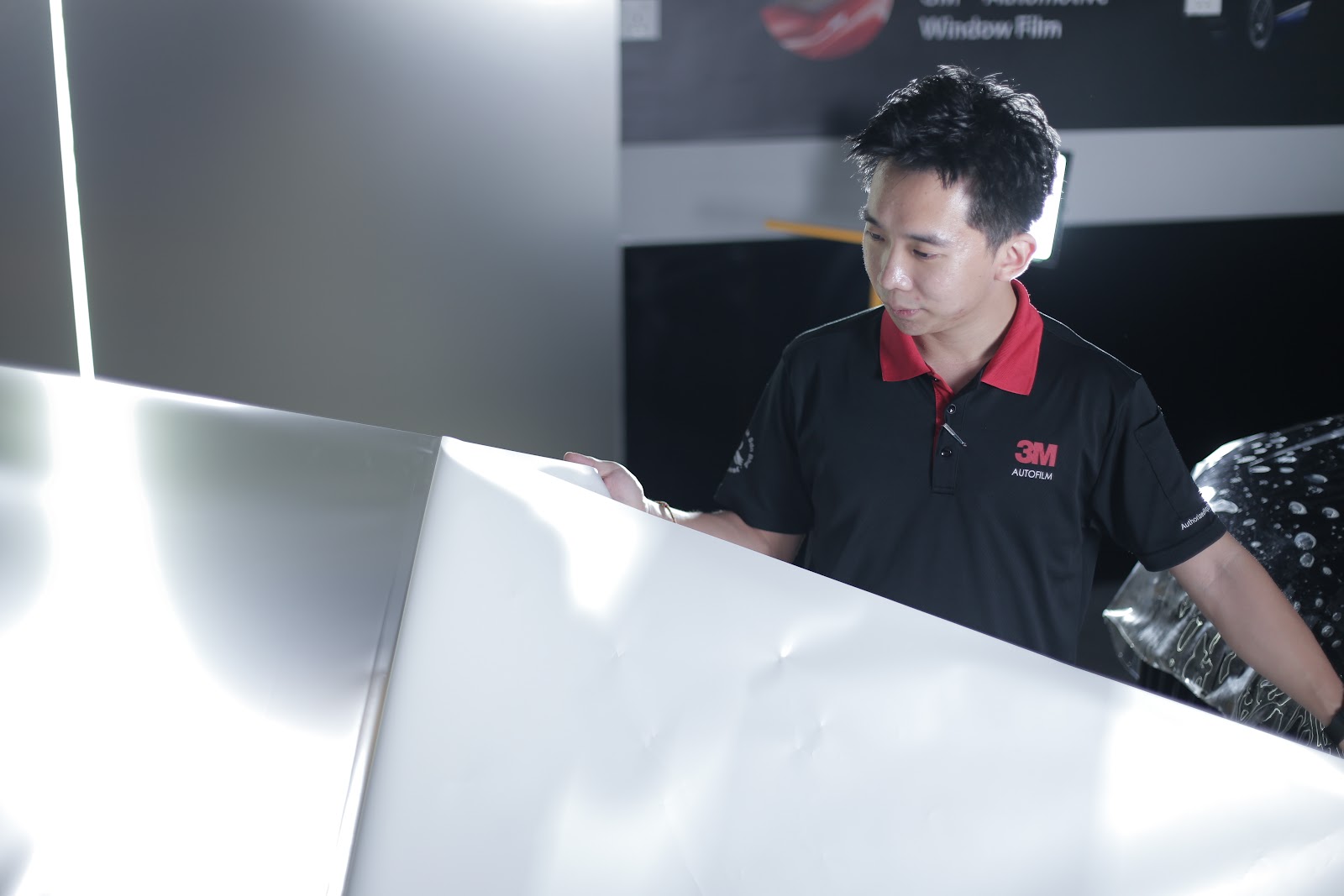
How to Spot Hidden Paint Problems Yourself
Most paint problems reveal themselves in the right light and with a careful hand. Wash the car first so dirt does not hide anything, then work around it panel by panel using the four checks below.
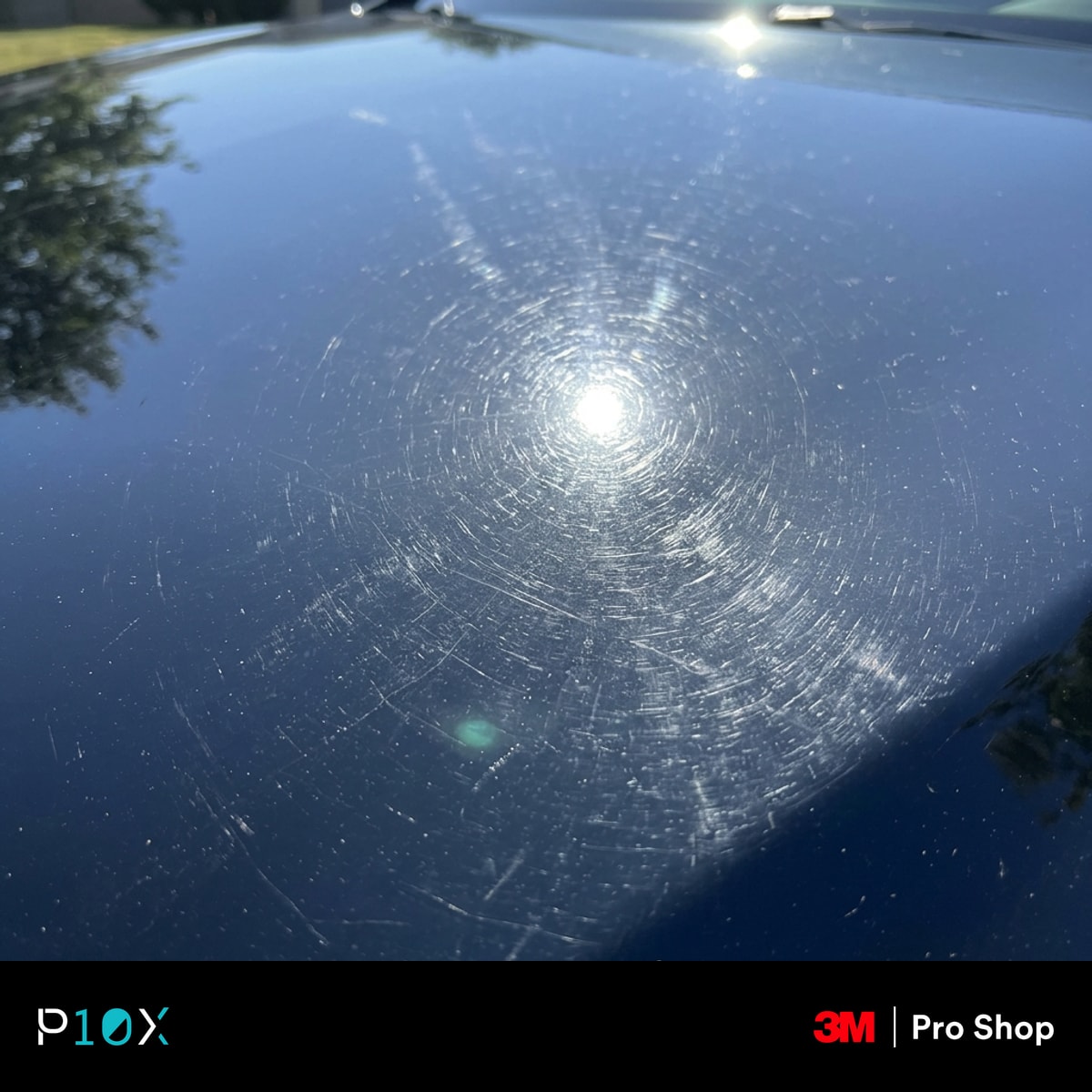
Check Panels in Direct Sunlight
Move the car into bright, direct sun and look along each panel at a low angle. Sunlight throws swirl marks, water spots, and dull oxidised patches into relief that you simply cannot see in a shaded car park.
Feel for Rough or Uneven Texture
Run a clean hand lightly over each panel. Factory paint feels smooth and even, while overspray, sanding marks, or hardened contamination feel gritty or bumpy. A sudden change in texture between panels often points to past bodywork.
Look for Mismatched Colour and Overspray
Compare neighbouring panels in the same light. A bumper or door that is a slightly different shade, or that has a duller finish than the rest of the car, may have been resprayed. Look for stray paint dust on plastic trim, rubber, and glass too.
Watch for Masking Lines at Gaps
Open the doors, boot, and bonnet and look at the edges. Original paint wraps cleanly into the shuts, while a respray often stops in a faint line or leaves a rough edge where masking tape was used. These hidden edges are some of the most reliable tell-tales.
How to Spot Hidden Glass Problems Yourself
Glass is quicker to check than paint, but just as important for tint. Stand outside the car in good light and work across the windscreen and side windows, then check any film already fitted.
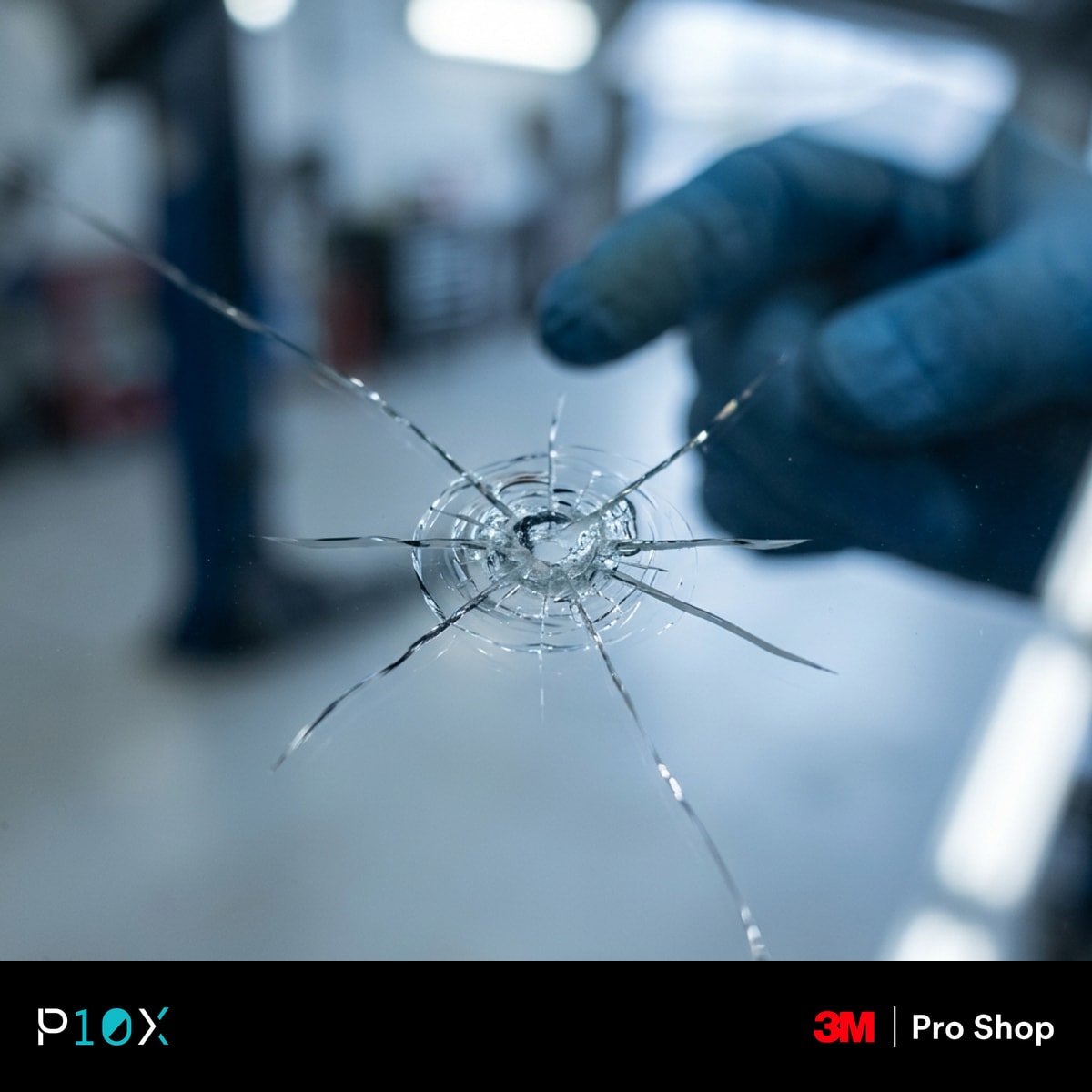
Inspect the Windscreen for Chips
Look across the windscreen from several angles for small chips and star cracks, which often start from highway stones. A chip the size of a coin can spread once heat and pressure are added, so it is far better to address it before tinting.
Run a Fingernail Over Cracks
Gently run a fingernail across any mark you find. If it catches, the damage has broken the glass surface rather than sitting on top of it, which usually means it needs attention before film goes on.
Check Old Tint for Bubbling
If your car already has tint, look for bubbles, purple patches, and lifting edges. Old failing film traps adhesive and has to be removed and the glass cleaned properly before new tint will sit flat.
Look for Pitting and Hazing
Hold your eye-line low across the glass towards a light source. Countless tiny pits from years of sand and grit show up as a haze or sparkle. Heavy pitting affects clarity and how cleanly new film can be applied.
Tools That Reveal What Your Eyes Miss
A few simple tools take your check from good to genuinely useful. Each one exposes a different problem that the naked eye struggles with, even in good light.
A bright LED or inspection lamp held at a low angle makes swirls, sanding marks, and glass pitting jump out. A UV light helps reveal repaint blend lines that match perfectly in daylight. A paint depth gauge measures coating thickness, so a panel that reads far thicker or more uneven than the rest hints at filler or a respray. For the full picture of why a respray is such a risk, see the hidden risk of PPF over a respray.
When to Book a Professional Pre-Installation Inspection
Your own check is a strong first pass, but it has limits. Book a professional inspection when you suspect a respray, find a windscreen crack that catches a fingernail, or simply want a documented baseline before spending on film. A trained installer has the tools and the reference points to confirm what you can only suspect.

A 3M Authorized Dealer such as 3M Pro Shop by P10X will measure, photograph, and record each panel, then tell you which surfaces are ready and which need work first. To see exactly how that visit runs, read what to expect during a 3M Pro Shop pre-installation inspection, and start with the cluster guide on why a professional pre-installation inspection matters.
Find out the best protection for your car
Visit a 3M Pro Shop and discover the cost-effective 3M Protective Film and Window Tint
Frequently Asked Questions
Should I inspect my car before PPF?
Yes. A quick owner check in good light catches obvious paint and glass flaws before they are sealed under film. For anything you are unsure about, especially a suspected respray, follow up with a professional inspection.
Does PPF hide paint damage?
No. PPF preserves the surface as it is rather than repairing it. Existing swirls, chips, or dull patches stay underneath the film, so it is best to correct them before installation, not after.
Can you tint over a cracked windscreen?
It is not advisable. Tint needs sound, clean glass to adhere properly, and heat and pressure during fitting can spread an existing crack. Resolve windscreen damage before booking your tint.
How do I know if my car has hidden paintwork?
Check for mismatched colour, uneven texture, overspray at panel gaps, and repaint lines under a UV lamp. A paint depth gauge reading that is far thicker or more uneven than the rest of the car is another strong clue.
Should I fix chips before tint or PPF?
Yes, where you can. Paint chips and glass chips are easier and cheaper to address before film goes on. Once tint or PPF is applied, fixing them usually means removing and refitting the film.
Author

Fabian
He is passionate about revolutionizing the car protection services industry by bringing innovation and transparency to a traditionally opaque and often misunderstood field. His mission is to educate end users on the true benefits and importance of car protection, aiming to replace outdated practices with honest, customer-focused solutions. With a fresh approach to car tinting, paint protection film (PPF), and detailing services, he is committed to delivering a superior customer experience that sets a new standard in the market. He welcomes discussions about the future of the automotive industry and is eager to connect with like-minded professionals who share his vision for innovation, integrity, and excellence.
Experience the future of window tinting
Visit a 3M Pro Shop and discover the revolutionary Crystalline CR BLK film