✧ Key Takeaways
- If a camera looks through your windscreen, the workshop needs to check the maker's calibration instructions before replacement.
- Reusing the camera or leaving its cable connected does not automatically mean calibration can be skipped.
- Even without warning lights, the workshop still needs to check whether calibration is required and record any work it carries out.
- Before booking, you can ask who will do the work and what happens if it cannot be finished.
Your car may need ADAS calibration after windscreen replacement, especially if a camera looks through the glass. Your vehicle maker's current repair instructions give the answer for your car and its equipment. A dashboard without warning lights is not enough to decide that calibration can be skipped.
ADAS means advanced driver assistance systems, such as lane support or automatic emergency braking. Some use a windscreen camera, while other sensors sit elsewhere on the car. That is why neither “every car needs it” nor “no warning means no calibration” is a reliable rule for a replacement booking.
When discussing a windscreen replacement with us, you could mention the driver assistance features your car has. Planning the full replacement includes finding out who will check the calibration requirement and arrange any work needed. That is easier than learning at collection that another procedure still has to be booked.
Which equipment uses the windscreen?
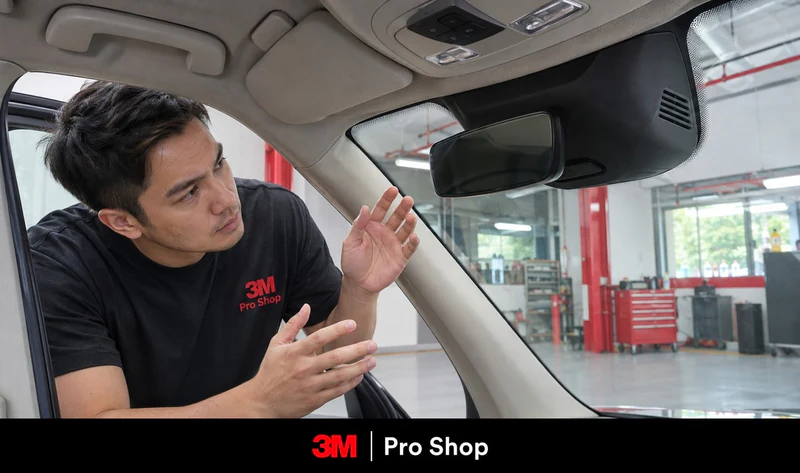
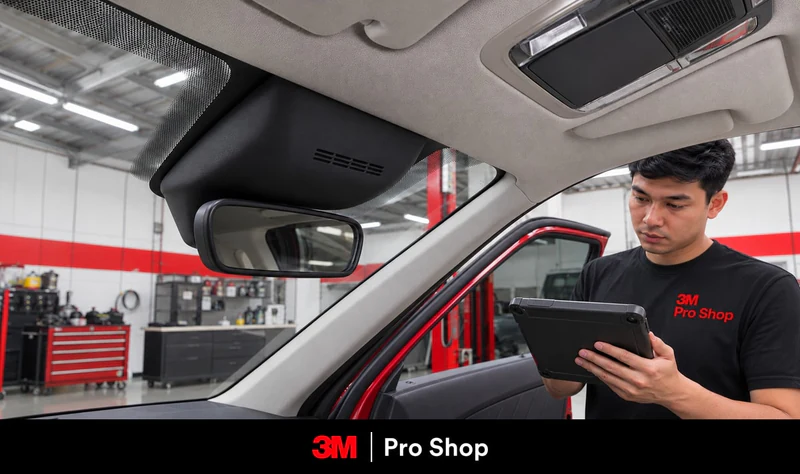
The workshop needs to identify the equipment on your car, not rely only on its model name. Two versions of the same model may have different assistance features. A camera often sits near the rear-view mirror, but a cover there can also hide a rain sensor or other equipment that needs different checks.
A rain sensor controls automatic wiping, while a camera can supply information for certain lane-support or braking features. Working automatic wipers do not tell you whether the camera needs calibration. Likewise, calibrating the camera does not show that the rain sensor was installed or checked correctly.
Your vehicle's year, variant and, where needed, vehicle identification number or VIN help the workshop identify the equipment and repair information. If you are unsure about a feature, you can describe what it does. You do not need to remove the mirror cover to identify the components yourself, and should not do so.
If no camera uses the windscreen, that does not mean every other ADAS sensor must be calibrated just because the glass changes. Other electronic work may still apply to the particular repair. The workshop should explain which system is affected and what its repair instructions require. That explanation should be about your car, not a claim that every model needs the same service.
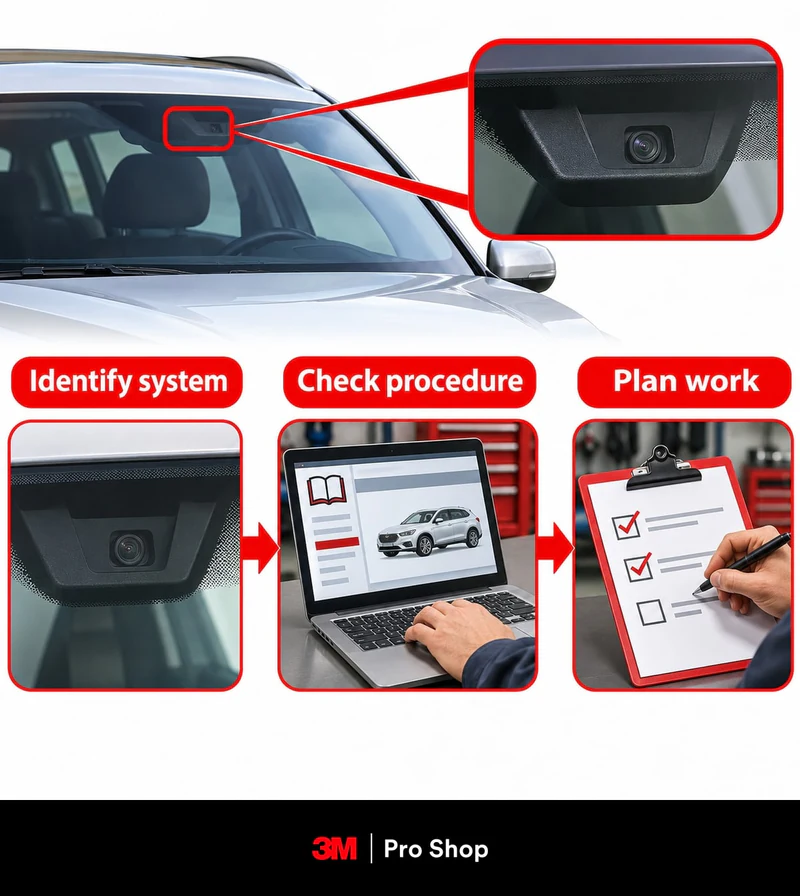
The crack's location does not decide calibration
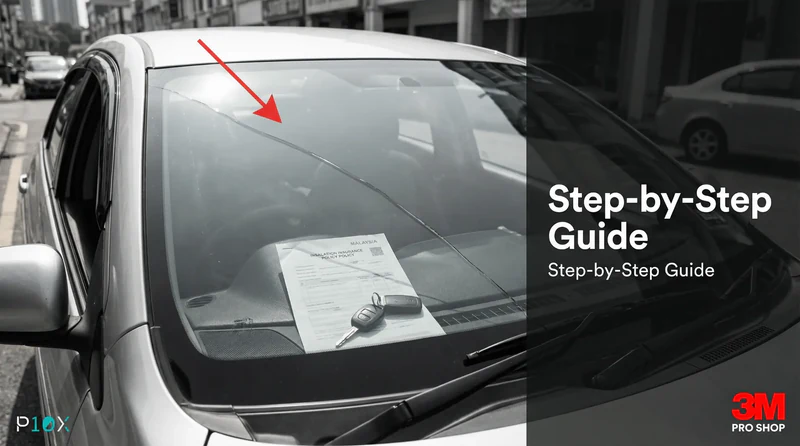
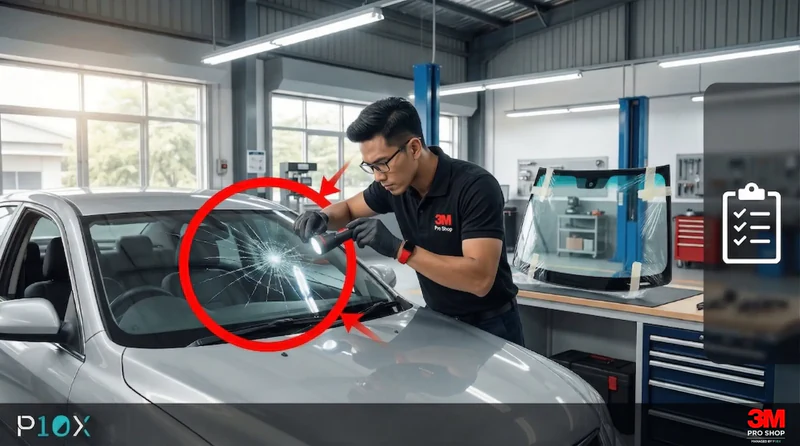
A crack away from the camera does not, by itself, mean calibration is unnecessary after replacement. Replacing the windscreen changes the whole pane, not only the damaged patch. Your vehicle maker may require calibration after that work regardless of where the original crack was. The workshop needs to check the repair instructions.
Reusing the camera is not an automatic exemption either. Leaving its cable connected says nothing, on its own, about whether its alignment needs checking after the glass is changed. The maker's procedure determines whether replacing the windscreen, removing and refitting the camera, or both require calibration for that system.
American Honda's June 2021 camera-aiming job aid gives a documented example. For the systems it covers, the listed reasons for aiming include windscreen replacement, windscreen removal and refitting, and camera removal and refitting. It also directs technicians to the model's service information. This is an American document from that date, not current repair instructions for every Honda sold in Malaysia.
Your workshop needs information for the correct model year, system and market. “We never unplug the camera” or “the crack was low down” may describe part of the job, but neither explains whether its procedure requires calibration. A useful answer explains what the maker requires after glass replacement or camera transfer, even when the original camera will be put back onto the car.
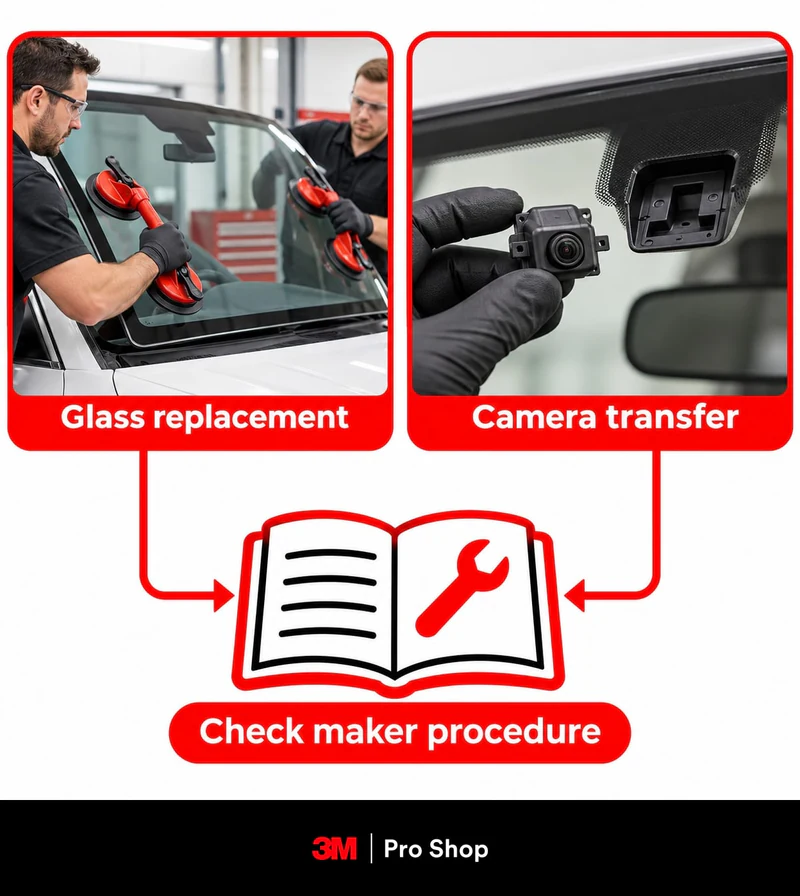
Calibration may be needed without a warning light
Calibration may still be required even if no warning light appears. The workshop needs to check your car's repair instructions to find out whether replacement calls for it. A warning message can help identify a problem, but it is not a complete list of the procedures a technician needs to carry out.
A diagnostic scan is a different procedure. It reads information and fault codes from electronic systems. Calibration follows the specified checks and setup for how a sensor is aligned with the car. A scan finding no fault codes does not prove that required calibration was carried out, even if both tasks appear on the same invoice.
Everything may seem normal after you collect the car, but one uneventful journey does not show how every assistance feature will behave in other conditions. Do not deliberately trigger emergency braking or drift towards a lane line to see whether the system reacts. An owner should not be asked to test safety features that way.
You can instead ask the workshop which requirement it checked and what the repair record shows. If calibration was not needed, it should explain the reason. If it was needed, it should provide the result. Neither answer should depend on you waiting for a warning or creating a risky situation on the road to prove whether more work is necessary.
Which calibration method does your car need?
The maker's procedure determines the method. Static calibration uses targets while the car is stationary. Dynamic calibration uses a specified driving procedure. Some systems need more than one stage. Neither name means better workmanship by itself, and the method should not be chosen simply because it fits the appointment more easily.
Driving home is not automatically a dynamic calibration. A required driving procedure includes its specified setup, conditions and confirmation that it finished. It is not just a matter of covering a few kilometres and hoping the system adjusts. You can ask who will carry it out and how you will receive the result.
Preparation may include tyre pressures, vehicle condition, loading or other checks, depending on the system. Changes to wheels or ride height and existing faults are worth mentioning before the appointment. The technician can then check whether they affect the work, rather than discover a problem only after attempting calibration.
Do not try to copy a target layout or use a general phone app to test calibration yourself. The workshop needs the correct equipment and procedure for the car. Preparing the vehicle, carrying out calibration and recording the result are separate steps. The person handling your booking should explain those steps well enough for you to know what is arranged, without making you responsible for checking the technician's measurements or doing the work yourself.
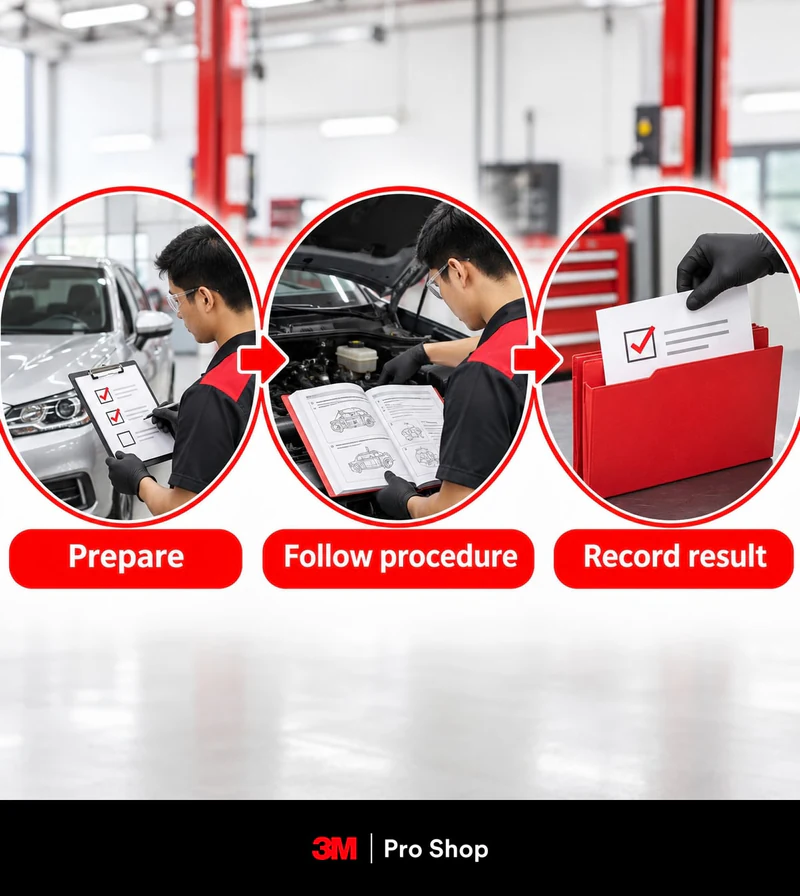
What should be recorded before replacement?
Existing warnings and driver assistance problems should be recorded before the windscreen is removed. It helps to say when they started and whether a repair or modification happened around the same time. This gives the technician useful history without expecting you to diagnose a fault or decide which part is responsible.
Visible condition and electronic findings need describing separately. Glass scratches, residue and loose trim can be seen during an inspection. A diagnostic scan provides different information, and the maker's calibration requirement still needs checking against the repair. One type of record should not be presented as proof that the other checks were completed.
An earlier fault may need diagnosis before calibration can finish. The workshop should explain that rather than imply a new pane will automatically repair an unrelated problem. Keeping the first findings with the final result helps a later technician see what changed, what was repaired and whether any earlier concern still needs attention.
If new tint is included, inspecting the glass, trim and switches also helps the film installer prepare. A scratch or residue can be noted before work begins, and switches can be checked before tint installation begins. This helps with a later discussion about whether damage or a fault was already there. Those checks are useful for tint installation, but do not tell you whether the camera needs calibration.
Tint installation does not calibrate the camera
You may want new film if the old windscreen was tinted, but installing it is separate from the camera work. Glass selection, film installation and any required calibration each need to be arranged. Completing one does not prove the others are finished, or that the selected products and procedures suit your car.
Choosing suitable glass for an ADAS car cannot be replaced by choosing a recognised tint brand. Film cannot make the wrong pane suitable. The installer also needs to check the areas used by cameras and sensors rather than assume every visible part of the glass can be covered in the same way.
Planning tint around ADAS and head-up displays means checking the equipment actually on the car. Your booking contact should explain how the work will be arranged and when each task can go ahead. Instructions on looking after new film are separate from calibration records and instructions about when the windscreen adhesive allows driving.
During tint installation, careful squeegee work helps apply and finish the film. It does not show whether the camera has been calibrated according to the vehicle maker's procedure. This matters if you later have a lifted film edge or an electronic warning: they need different checks. The film installer can review the tint, while the relevant technician needs the camera's repair history and a description of the warning.
Who will carry out the calibration?
Your booking contact, glass installer and calibration technician may not be the same person or business. Before removal, you should know who does each task and who arranges any specialist appointment. A combined booking should not leave you discovering at collection that a required procedure is still yours to organise without explanation.
If calibration happens elsewhere, you can ask where, who arranges any transfer and who sends you the result. The main contact should explain whether it will obtain the specialist's report and help with a later question. Otherwise you may have a glass invoice from one provider and an unexplained report from another.
For an insurance job, claim approval does not automatically mean every related operation or a particular calibration provider is included. The quote should make clear which work the claim covers. When comparing windscreen replacement shops, you can ask about those arrangements instead of relying only on a claim that the business has done many similar cars.
An outlet gives you somewhere to discuss the job and return with questions. Its storefront or a film-brand sign does not show whether it can calibrate your particular camera system. Film installation training concerns the film service. For calibration, you need to know which technician or specialist has the equipment and repair information for your car, rather than assume the same person handles every service advertised outside.
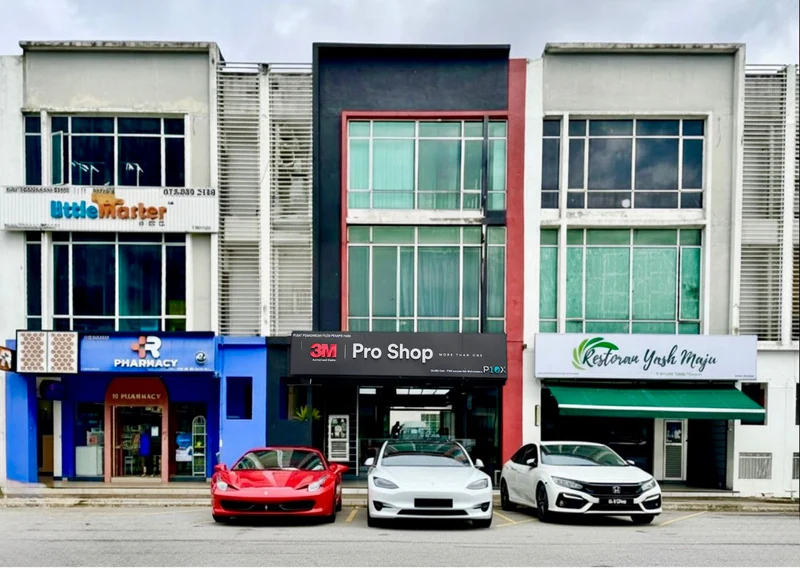
What result should you receive?
If calibration was required, you should receive a result for your car that identifies the procedure and says whether it finished successfully. An invoice line saying “ADAS” does not explain that. A photograph of workshop equipment also cannot tell you which procedure was carried out on your car or whether it was completed.
You do not need to decode every abbreviation. The person explaining the job should tell you what was completed, what still needs doing and whether any restriction applies to using the car. If a specialist produced the report, it should connect clearly to your replacement job rather than leave you guessing whose result it is.
A useful ADAS calibration report identifies the vehicle, the work and the outcome. Keeping it with the glass invoice gives the next technician useful history. It does not promise perfect assistance in every road condition or remove the limitations explained in the owner's manual.
Help after film installation matters for a different reason. Trained installers can check finishing, film edges and other tint concerns, and your booking contact can explain how to arrange that help. An electronic warning needs the appropriate technician instead. Good film workmanship and support are valuable, but neither is evidence that camera calibration was completed. You should know who will help with each type of concern rather than receive a general reassurance about the brand.
What if calibration cannot be completed?
An unsuccessful attempt needs investigation, not an invoice that makes it sound finished. The workshop should explain which procedure stopped and why. The result does not automatically mean the glass is faulty, but it should not be dismissed because the car still starts and drives or has no visible warning light.
Have the responsible workshop explain any restrictions on moving, collecting or using the car while the work is unfinished. If safe use is uncertain, settle that before driving away. Do not accept an instruction to test emergency braking or lane support yourself on public roads. That is not a safe substitute for completing the procedure.
Follow the instructions for the windscreen adhesive too, including how long it needs before the car can be driven. These apply separately from restrictions because of unfinished electronic work. Neither the appearance of the glass nor a future calibration appointment tells you when the car can safely be driven.
If another appointment is needed, you can ask for the responsible contact, the next step and how the final result will reach you in writing. Ordinary driving is not a general cure for an unfinished calibration. The workshop needs to check why the attempt failed and arrange the work your car still needs, rather than leave you waiting indefinitely for the system to correct itself.
Find out the requirement before booking
Checking the calibration requirement while the glass is being selected lets the workshop plan the complete job. It needs to identify the system and check the instructions before removal, rather than treat calibration as an unexpected extra when you collect the car. The answer should concern your particular vehicle and repair, not a general habit.
If replacement has already happened, you can start with the job record. The workshop should explain which repair information it used and whether the required procedure was completed. A general opinion about the model is less useful than checking what was actually done to the equipment on your car during that visit.
There is no need to insist on calibration when the correct instructions do not require it. You do need an explanation of that decision, just as you need a result when calibration is required. This keeps the discussion about the repair instructions rather than the technician's usual practice or the position of the old crack.
Before considering the job finished, you should know whether calibration was required, whether it was completed and what happens if anything is unfinished. Glass, calibration and tint details can stay together while describing different tasks. That gives you something useful to refer to later, instead of relying on a lack of warning lights, a tidy windscreen or a memory of being told that everything was checked.
Find out the best protection for your car
Visit a 3M Pro Shop and discover the cost-effective 3M Protective Film and Window Tint
Frequently Asked Questions
Does every car need ADAS calibration after windscreen replacement?
No. It depends on the equipment and the vehicle maker's current repair procedure. If a camera looks through the windscreen, the workshop needs to check the calibration requirement before replacement rather than assume the answer for every car.
Can calibration be skipped if the camera was not unplugged?
Not on that basis alone. Your vehicle's instructions may require calibration after glass replacement or after removing and refitting the camera, even if the cable stayed connected.
What if there is no warning light?
A dashboard without warning lights does not prove that calibration was unnecessary or completed. You can ask the workshop which repair instruction it checked and what the job record shows.
Does driving home count as dynamic calibration?
Not automatically. Dynamic calibration is a specified driving procedure with setup requirements and completion checks. Ordinary driving should not be assumed to replace it.
Does camera calibration check the wipers and HUD too?
Do not assume so. A rain sensor, a projected head-up display and an ADAS camera have different functions. The workshop needs to explain the separate checks required for the equipment on your car.
What should I do if calibration could not be finished?
Have the responsible workshop explain what prevented completion, what happens next and whether the car can be moved or driven. You should receive the final result once the required work is completed.