✧ Key Takeaways
- The replacement glass and sensor mounting parts need to suit your car.
- A rain sensor needs the correct contact with the glass, not just a cable plugged back in.
- A workshop check should demonstrate automatic wiping, not only that the blades move in manual mode.
- Checking automatic wipers is separate from calibrating an ADAS camera.
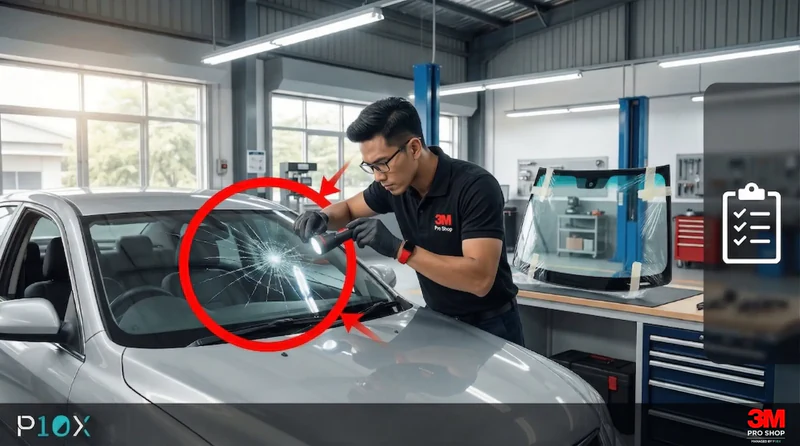
Windscreen replacement on a car with a rain sensor should include checking the correct glass, how the sensor is mounted and whether the automatic wipers work. Some vehicles also need an electronic setup procedure after the work. Plugging the sensor back in does not confirm all of those checks are complete.
A changed sensitivity setting can affect how automatic wipers respond, but it does not explain every new problem. You can tell the workshop how the wipers behaved before replacement and ask it to demonstrate the automatic function before you leave.
When arranging a windscreen replacement with us, you could mention the rain sensor alongside any camera or head-up display. These details are part of planning the replacement before glass is ordered. For the wipers, you want to know that the sensor was installed correctly and that someone checked what it does, not only whether it is connected.
Is it a rain sensor or a camera?
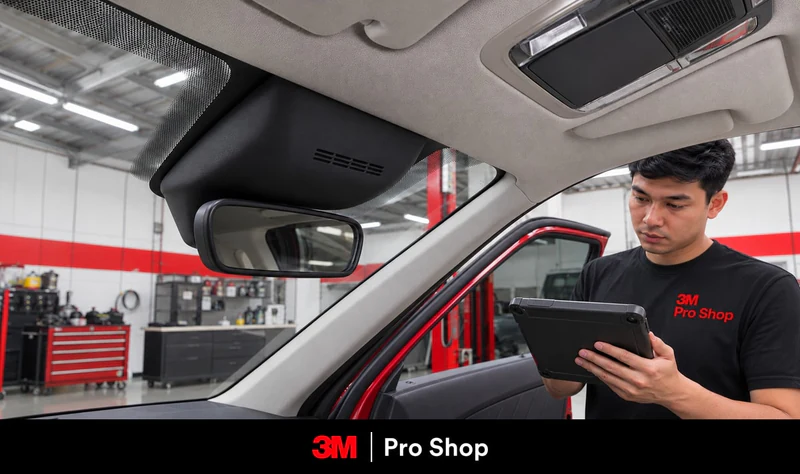
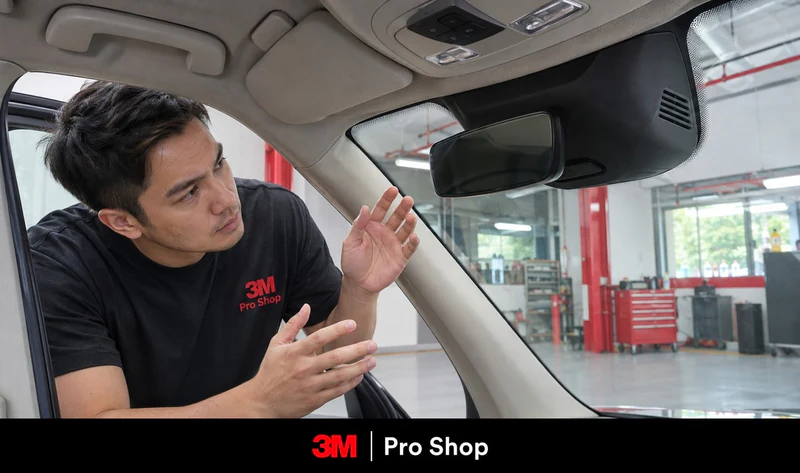
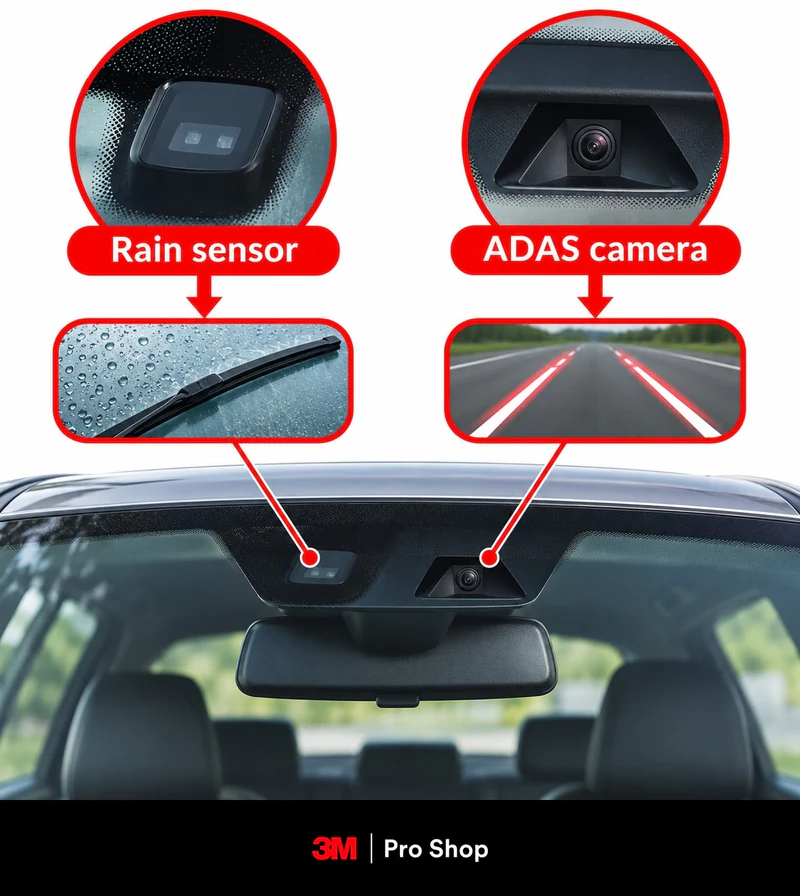
Many rain sensors sit against the inside of the windscreen near the rear-view mirror. A cover in that area can also hide a camera or other equipment. Its appearance alone does not tell you which systems your car has or what needs checking when the glass is replaced.
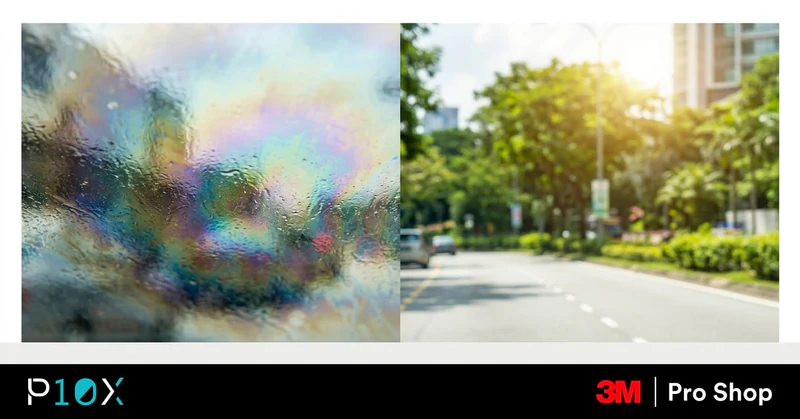
An optical rain sensor uses light reflected through the glass to detect water on the outside. That information helps the car control automatic wiping. A forward-facing camera does a different job, supplying information for some lane-support or braking features. The camera and rain sensor can sit close together without sharing the same test or setup procedure.
Your existing sensor may be reusable, depending on its condition and the vehicle maker's instructions. Other mounting or contact parts may still need replacing. Installing a new windscreen does not automatically mean buying a complete new sensor, but reusing the electronic module does not prove every part around it can be reused too.
Your owner's manual can help you identify the automatic-wiper controls and describe the feature when booking. If the car also has advanced driver assistance systems, or ADAS, the workshop needs to identify any camera involved in the repair separately. You do not need to remove the cover or identify every component yourself. The workshop should explain which is the rain sensor and which equipment needs other work.
How should the sensor touch the glass?
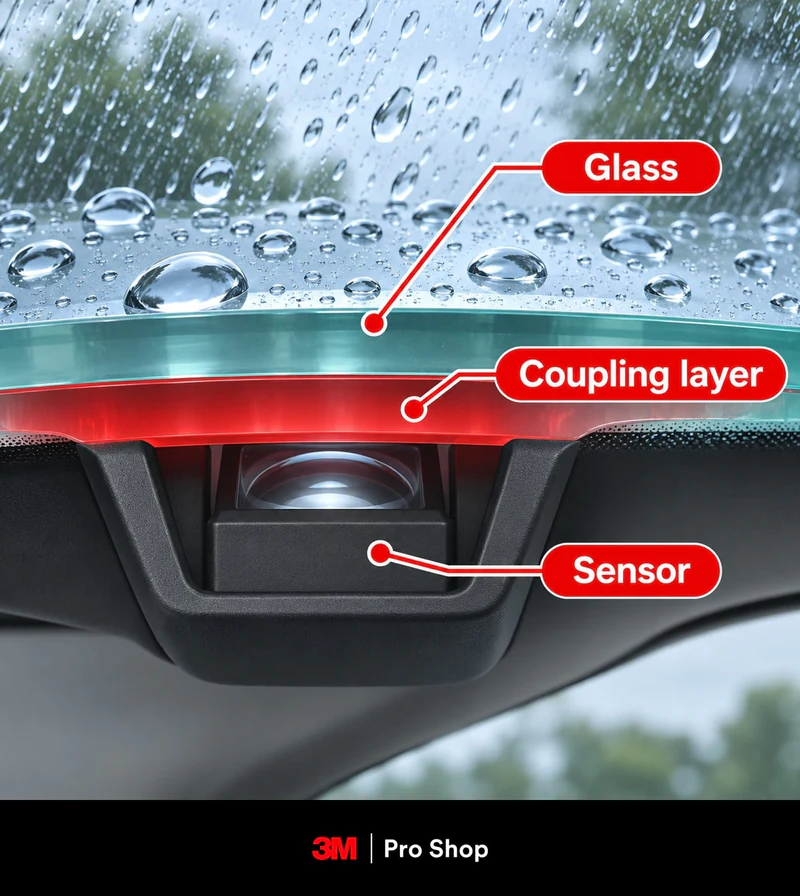
An optical rain sensor needs the correct contact with the windscreen for light to pass as intended. Depending on its design, a specified pad or gel forms that contact. This is often called the coupling material. The material and its installation matter as well as reconnecting the sensor's electrical cable.
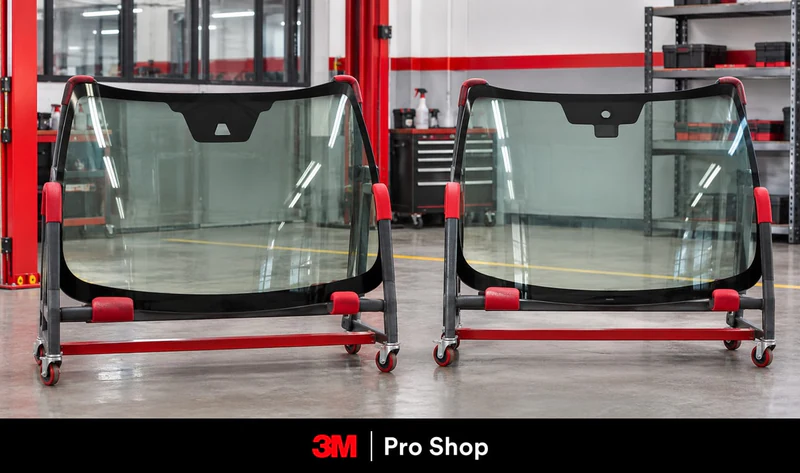
Choosing the replacement windscreen includes checking the sensor area and mounting parts. Glass for another version of the same model may have a different arrangement. A supplier needs to confirm the part for your car, not assume that every windscreen with the same outside shape will support the sensor in the same way.
A damaged pad should not be reused simply because the electronic sensor looks intact. Equally, a mark does not prove the whole sensor has failed. The repair instructions determine which parts can be reused and which need replacing. A rule about bubbles or reuse for one design should not be treated as an instruction for every rain sensor.
Do not pull off the cover or press the sensor against the glass to investigate it yourself. You could change the installation and make the original problem harder to assess. When collecting the car, you can ask what mounting parts were checked, which pad or gel was used and whether any electronic setup was needed. That explains more than “the cable is connected”.
How did the wipers work before replacement?
It helps to describe whether automatic wiping was slow, erratic or unavailable before the windscreen was replaced. The sensitivity setting and manual-wiper operation matter too. These details let the workshop compare what the wipers did before and after the job, rather than assume every later difference began with the new glass.
For example, a change in the automatic response needs a different explanation from an existing scratch or a loose trim piece. Both can be recorded before removal, but they should not disappear into one vague note saying “windscreen checked”. You can describe what you noticed without deciding which component caused it.
If damaged glass or another problem prevents an initial demonstration, the record should say that the function could not be checked. An honest “not checked” is more useful than a normal result that no one observed. You could also agree which automatic setting will be used for the check after replacement so a changed setting does not confuse the comparison.
For a booking that includes tint, glass, trim and switch checks help the installer prepare for the separate film work. Scratches, residue or worn trim can be noted before installation, while switches need checking before work involving water. Recording these details helps you discuss a later mark or fault without confusing it with the rain sensor's contact or a camera procedure.
How should automatic wiping be checked?
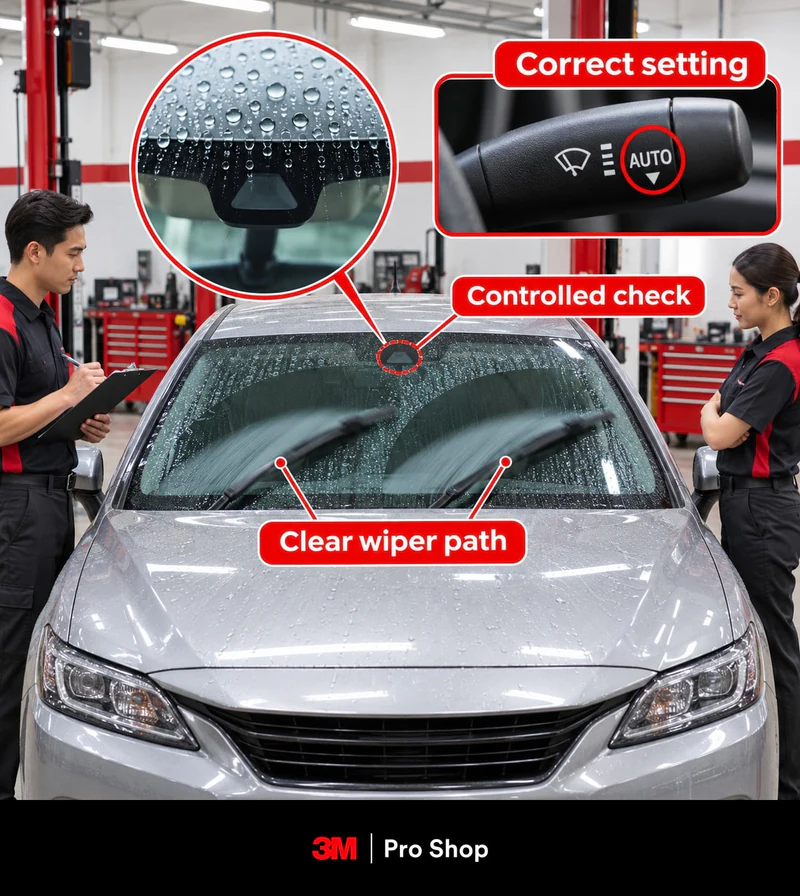
A useful workshop demonstration shows automatic wiping with the correct setting selected for your car. Showing the blades move in manual mode is not the same check. Controls vary, so the person demonstrating it needs the vehicle's instructions for selecting automatic operation and adjusting sensitivity where that option is provided.
Some cars use a sensor button, while others have an automatic position on the control. A qualified person can follow the specified procedure, including an appropriate application of water at the sensor area where required. This is workshop work, not a reason for you to stand near moving wipers and experiment with a spray bottle.
Keep people, tools and loose items clear of the wiper path. A dry-glass demonstration or a casual drive in rain is not a substitute for the appropriate workshop check. If the response appears wrong, the workshop needs to investigate rather than change several settings and then dismiss the result as normal.
Some vehicles need initialisation, coding or adaptation after glass or sensor work. These terms describe electronic setup procedures that depend on the vehicle. They do not mean every rain sensor needs the target-board procedure used for certain ADAS cameras. You can ask which setup applied and whether it finished. The automatic function should then be checked with the proper control setting and everyone clear of the moving blades.
Tint does not replace the sensor's contact pad
Window film and a rain sensor can share the windscreen without using the same materials or checks. The film installer needs to account for the sensor area and any restrictions for that vehicle. A neat tint edge alone does not show that light can pass correctly between the sensor and the glass.
Planning tint around cameras and sensors includes checking which areas may be covered and which need to stay clear. This needs discussing before installation, especially when several components sit near the mirror. The installer should know what is there instead of relying on the shape of the cover.
If the sensor is not working correctly, window film, film adhesive or a general workshop product should not be used instead of the specified sensor pad or gel. The technician responsible for the sensor needs to identify the cause. Adding or removing film without understanding the installation may leave that problem unresolved.
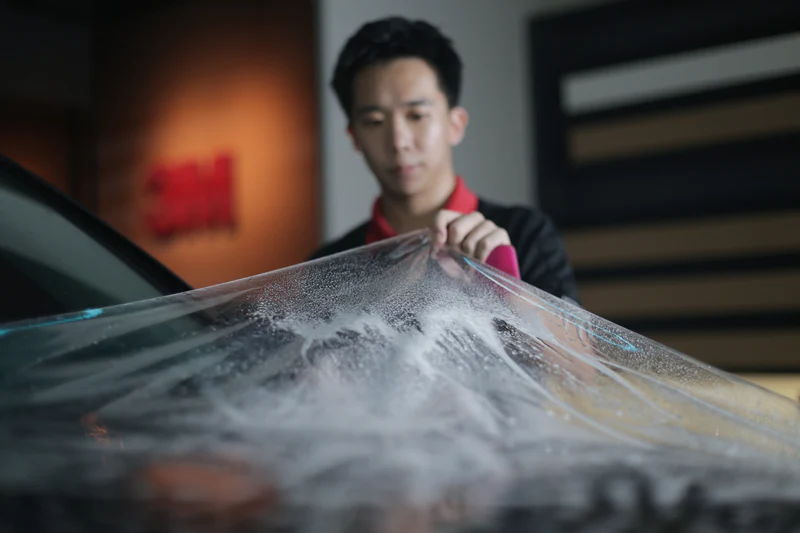
Handling wet film is part of preparing and installing the tint. The sensor pad or gel has a different job: allowing light to pass correctly between the sensor and windscreen. When both services are booked together, you can ask who checks the sensor mounting and who installs the film. Each person needs the right information and materials for their work, rather than treating every clear layer on the glass as interchangeable.
What did the workshop do to the sensor?
When collecting the car, you can ask whether the existing sensor was transferred and which parts around it were replaced. That may include a pad, a mounting part or another fitting. You do not need a technical lesson, but the explanation should identify what was actually done and what was checked afterwards.
If the car needed an electronic setup procedure, you should know whether it was completed. “Sensors checked” leaves too much unexplained when a camera, rain sensor and projected display may all use the windscreen. Naming the function makes it clear whether the answer concerns the automatic wipers or a separate part of the replacement.
You can also raise an unusual fit around the cover or an automatic-wiper demonstration that did not work as expected. Describing the difference is enough. You do not need to diagnose it. A visible change may need checking, but does not prove that a particular part is missing or that the complete sensor has failed.
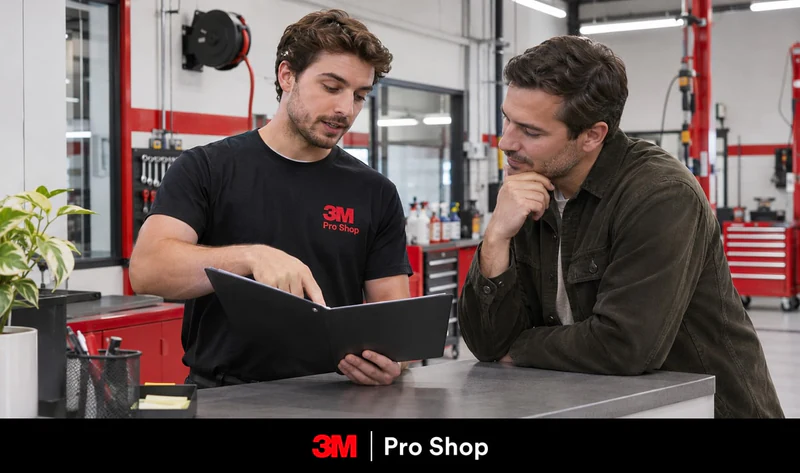
Discussing these observations with the person handling your booking gives you a chance to compare them with the work listed on the invoice. Relevant part details can stay with the glass records. If something is unfinished, you need to know who will check it and what happens next, especially when more than one workshop was involved in the replacement.

What if the automatic wipers still behave differently?
One demonstration cannot reproduce every type of rain, because automatic wipers respond to changing conditions. Even so, a known problem needs an explanation. “They all need time” is not enough unless the technician can point to the relevant vehicle or component instruction and explain what you should expect to happen.
The next step may be checking the installation, completing required setup or diagnosing another fault. The technician needs to investigate the symptoms on your car rather than promise that every sensor will correct itself. If an instruction describes an expected change, the workshop can explain it and say when you should return if the problem continues.
When safely parked, you can note the automatic setting, what the wipers did and whether manual operation was affected. These details help the technician investigate. Do not film while driving or continue in poor visibility to collect evidence. Your safety matters more than reproducing the fault for a video.
Help after tint installation can be useful when several services were booked together. Trained film installers can review film edges, finishing and other tint concerns, while your booking contact can direct a sensor problem to the appropriate technician. Being trained to install film does not, on its own, show that someone can diagnose a rain-sensor fault. The contact should pass on the replacement details so you are not left explaining the whole job to each person from the beginning.
Avoid unsafe tests or improvised repairs
Do not remove the mirror cover, pry at the sensor or put a product between it and the glass to see whether it helps. The mounting and contact need checking properly. An improvised change can alter the symptom without fixing the cause, making it harder for the workshop to assess the original problem.
Keep hands, cloths and tools away from the blades while automatic wiping is active. When cleaning or working around the windscreen, follow the vehicle manual's instructions for switching off the automatic function. It may also specify where to position the blades. Follow that guidance rather than move them by hand to make room.
If automatic wiping is unpredictable in rain, keep your attention on driving and use the permitted manual controls as described in the manual. Pull over safely if visibility is inadequate. Do not continue the journey simply to gather more examples, and do not adjust equipment around the windscreen while the car is moving.
A problem noticed after replacement deserves checking, but timing alone does not identify its cause. Settings, glass specification, the sensor's contact and electrical faults may need investigating. Replacing a complete sensor because an online comment names it can bypass that diagnosis. A technician's explanation of what was checked is more useful than changing parts until the problem fails to appear during one short test.
Before leaving, know what still needs attention
By collection, you should know whether the glass suits the car, how the sensor was installed and whether automatic wiping was checked. Any required electronic setup should also be explained. If a check could not be completed, the workshop needs to tell you what happens next rather than describe the entire job as finished.
If the car also has a forward-facing camera, ADAS calibration after windscreen replacement is a separate question. Working automatic wipers do not remove a camera requirement in the vehicle maker's instructions. A completed camera calibration does not prove that the rain sensor's contact or automatic-wiper setting was checked either.
With replacement and re-tinting arranged together, one contact can coordinate the glass, film and sensor work. That should make the booking easier, not make you responsible for supervising the technical tasks. You can ask that contact to explain who handles a later question about each part of the job.
For an unfinished sensor problem, the practical questions are what happens next and whether any restriction applies to using the car meanwhile. Those need answering before you leave. No workshop demonstration can promise a response for every future rain condition, but it can show what was checked and give you a clear contact if automatic wiping still needs attention.
Find out the best protection for your car
Visit a 3M Pro Shop and discover the cost-effective 3M Protective Film and Window Tint
Frequently Asked Questions
Does every rain sensor need calibration after replacement?
No single procedure applies to every car. Some need an electronic setup step, sometimes called initialisation or adaptation, after glass or sensor work. The workshop needs to follow the instructions for your vehicle.
Is the rain sensor the same as the ADAS camera?
No. A rain sensor helps control automatic wiping. An ADAS camera supplies information for certain driver assistance features. Checking or calibrating one does not confirm that the other works, even if they sit close together.
Can my existing rain sensor be reused?
It may be reusable if its condition and the vehicle maker's instructions allow it. That does not automatically mean the pad, gel or mounting parts around it should all be reused too.
Why do manual wipers work but automatic wiping does not?
Manual wiping does not check the rain-sensing function. The workshop needs to investigate the controls and sensor installation rather than assume the moving blades prove the sensor works.
Should I press the sensor against the glass myself?
No. Let the workshop check the mounting and contact with the glass. Do not remove the cover or add gel, glue or film as an experiment.
What if the problem only happens in real rain?
When safely parked, note the setting and what the automatic wipers did, then describe it to the workshop. Do not film while driving or keep driving with poor visibility to reproduce the problem.