✧ Key Takeaways
- A head-up display projected onto the windscreen needs glass that suits that system.
- A matching shape or manufacturer logo does not prove it is the correct HUD version.
- The display should be checked from your normal driving position while the car is stationary.
- A persistent new double image needs checking, even if camera calibration was successful.
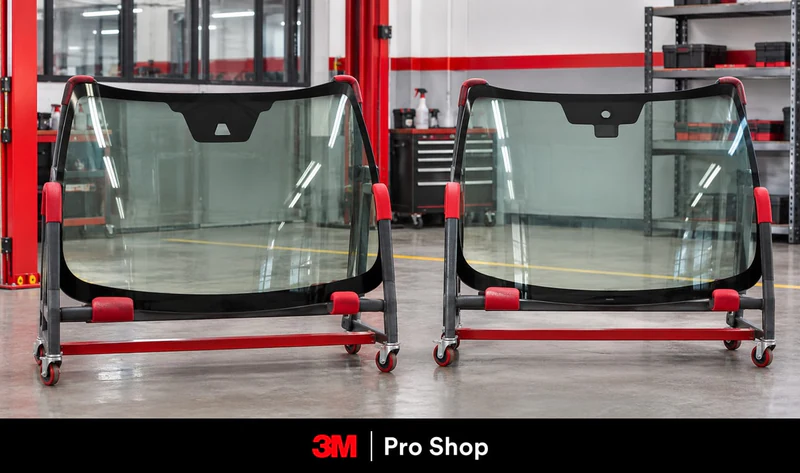
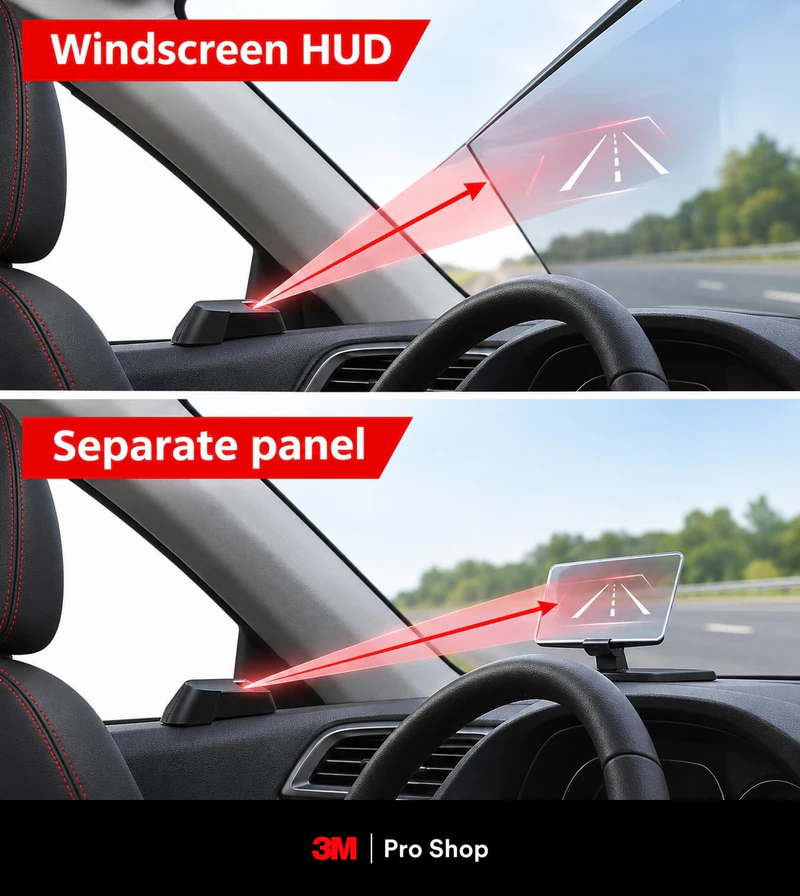
If your car has a head-up display, or HUD, projected onto the windscreen, replacement means choosing glass that suits that display. Matching the shape of the old windscreen is not enough. The supplier needs to confirm the correct glass version before the old pane is removed.
Some head-up displays use a separate small panel rather than the windscreen. This guide concerns displays that reflect from the windscreen, where the glass itself can affect the image you see. The supplier needs to identify which arrangement your car uses.
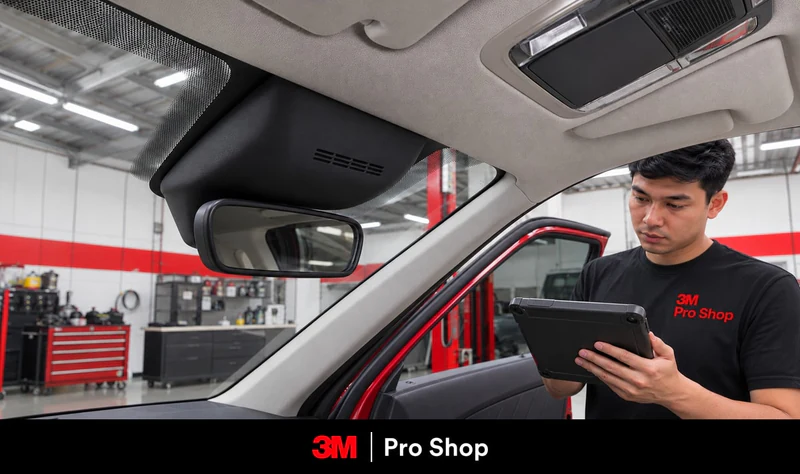
When discussing a windscreen replacement with us, you could mention the HUD, any rain sensor and any camera used by advanced driver assistance systems, or ADAS. Planning the replacement means accounting for that equipment before glass is ordered. Checking the display is a different task from calibrating the camera or installing new tint.
Which glass version suits your HUD?
The supplier needs to know that your display uses the windscreen before selecting the replacement. A model name or photograph may not identify that option. Different versions of the same model can use different glass, including windscreens for cars without a display. The actual part needs checking against your car's equipment.
Your vehicle identification number, usually called the VIN, helps the supplier check the part alongside the equipment on the car. “Fits the model” does not answer whether it suits the display. You can ask for a part description that makes the HUD version clear, so there is a specific product to refer to later.
OEM and aftermarket windscreen labels do not replace that check. A vehicle-maker logo may appear on more than one glass version. A broad “HUD compatible” claim still needs matching to the particular display system. Neither is a reason to skip checking the part before removal begins.
If the display reflects from a separate small panel in front of the driver, that panel is sometimes called a combiner. It is different from using the windscreen as the reflecting surface. Identifying the arrangement helps avoid a general recommendation for “HUD glass” where the car uses another design. The workshop should resolve that question before ordering rather than leave you to identify the system yourself.
Why can the glass cause a double image?
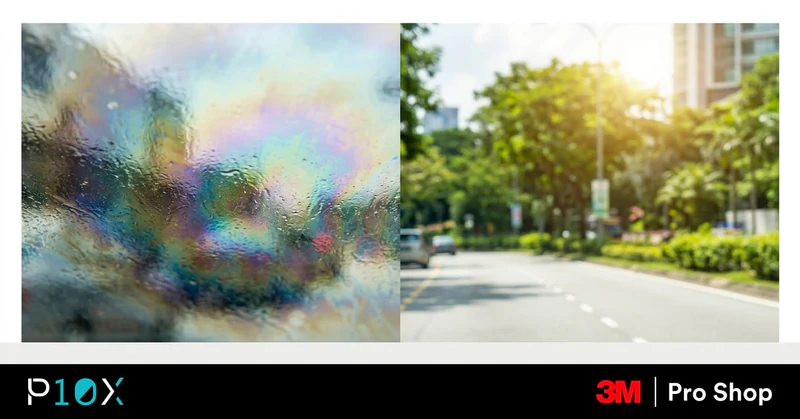
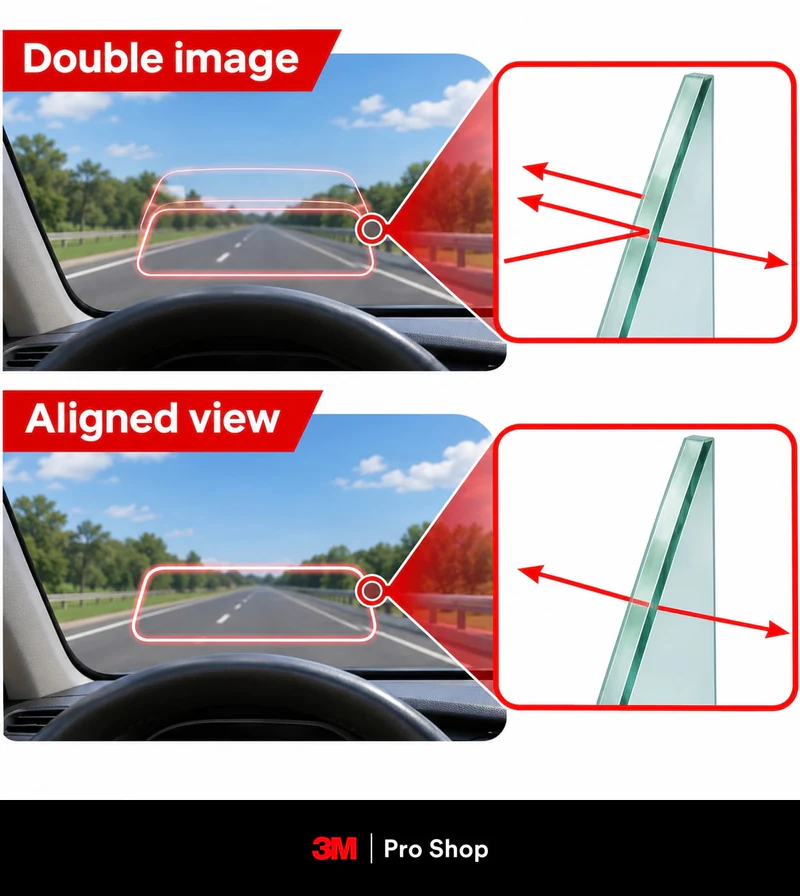
A display projected onto the windscreen sends light towards the glass and back towards the driver's eyes. Reflections from different surfaces can create a second image. Glass designed for a particular HUD may use features that bring those reflections together, so you see one aligned outline rather than two separate ones.
Pilkington's HUD windscreen design, for example, uses a wedge-shaped layer between the glass sheets to help align those reflections. That explains one approach, not a design used by every head-up display. The correct replacement still has to match the system on your car. Asking only for “wedge glass” is not enough to identify it.
You do not need to select a wedge angle or work out how the projector is designed. You need the specified glass. Increasing brightness or changing your seat position cannot repair the wrong glass version. At the same time, a faint reflection does not by itself prove the glass is wrong. Settings and viewing position may need checking too.
If a persistent double image begins after replacement, you can describe whether you see two separate outlines or a faint second image. That gives the technician useful information without asking you to diagnose it. The display needs checking from your normal driving position, not only an awkward angle where the outlines happen to appear aligned. Suitable glass is part of achieving the intended view.
How did the display look before replacement?
It helps to tell the workshop if the display is already faint, tilted or doubled before the glass is changed. You can also mention your usual settings and whether particular sunglasses change what you see. These details give the technician a starting point instead of treating every later difference as a new problem.
A photograph taken while safely parked may help explain a concern, but it may not show exactly what your eyes see. Camera position and exposure can change how a projected display appears in a picture. A photo is useful supporting information, not a complete test of the glass or the display system.
If damage prevents the workshop from checking the display beforehand, the record should say that. It should not describe an untested feature as working normally. When you collect the car, the technician then knows that there was no complete earlier check to compare with, rather than relying on an observation that never happened.
Glass and trim checks serve a different purpose. Before tinting, existing scratches, residue, worn trim and switch operation can be recorded to help the installer prepare. This also helps with a later discussion about whether a mark or fault was already present. Those checks concern the glass, trim and film work. They do not replace looking at the HUD from the driver's seat.
Check the view from your usual seat position
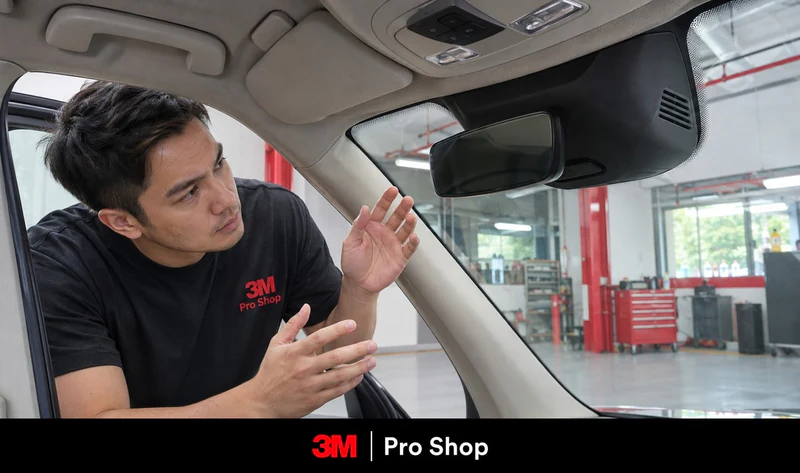
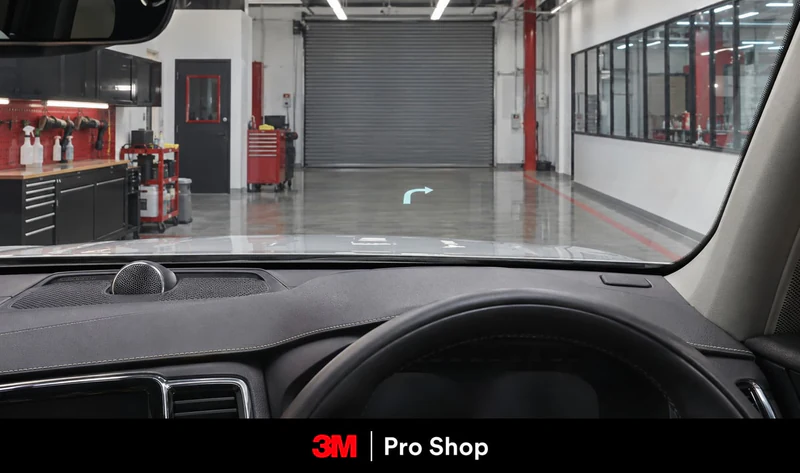
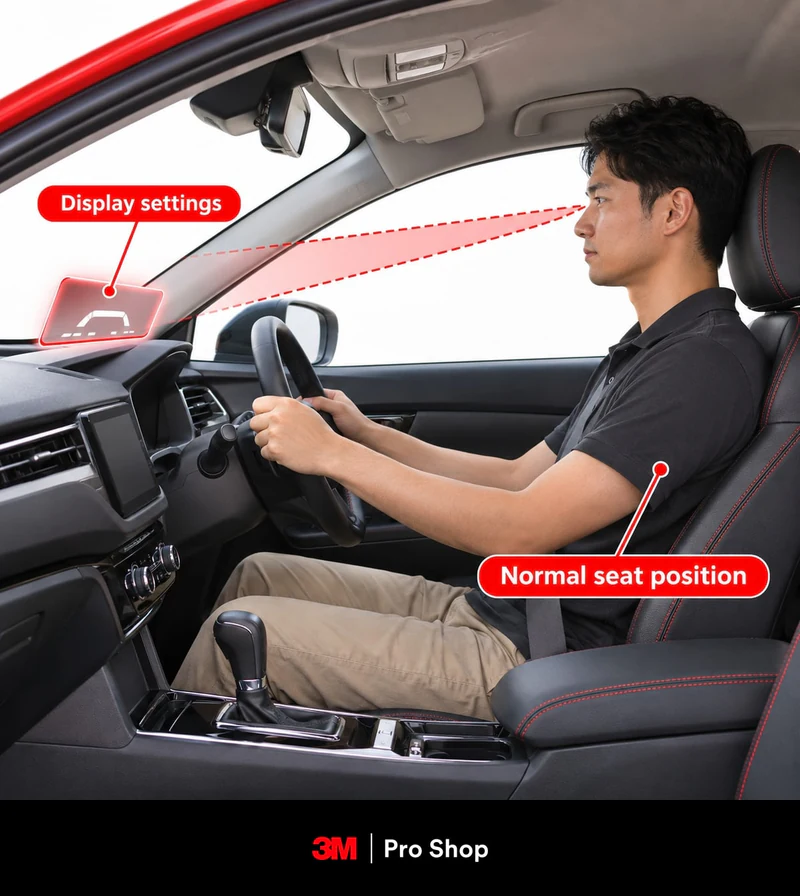
A useful HUD check happens while the car is stationary, from your normal driving position, once the workshop says the check can proceed. Your usual seat position matters more than finding one angle where the image looks good. Any height, brightness or rotation changes should use the settings provided for that vehicle.
Some owner manuals describe factors that affect visibility, such as polarised sunglasses, lighting and sitting outside the intended viewing area. These are worth considering when you describe a problem. They are not reasons to dismiss a clear change after replacement or tell you to drive in a position that does not suit you.
If the display still looks doubled or tilted from your usual seat position with the normal display settings, the workshop needs to investigate. Some vehicles have a particular adjustment procedure after glass or display work. Whether that applies comes from the car's repair information, not a video showing what someone did on a different model.
Keep the projector opening clear as the owner's manual requires. Placing an accessory over it can affect the view, so adding objects to experiment with the reflection is not a useful repair. If moving your head changes the image, you can describe that to the technician. The check should still come back to your normal seat position and the car's display settings, rather than asking you to lean across the cabin to make it look right.
Tint cannot make the wrong glass suitable
New tint needs discussing separately from the replacement glass on a car with a HUD. Both the vehicle's requirements and the proposed film need checking before installation. Film should not be offered as a way to make an unsuitable windscreen work with the display, even if you also want tint as part of the booking.
Installing film around HUD and ADAS equipment means checking the actual systems, not relying on a general promise that the film is clear. You could ask what the installer has checked and who confirmed the glass version. The film installer needs to know which glass is being used and what the vehicle's instructions allow around the display, rather than assume someone else checked.
Instructions on looking after new tint do not explain every display concern. If you are told to wait for the film to dry, the installer should explain what change is expected in the film. That instruction does not prove the correct glass was installed or explain a persistent new double image in the HUD.
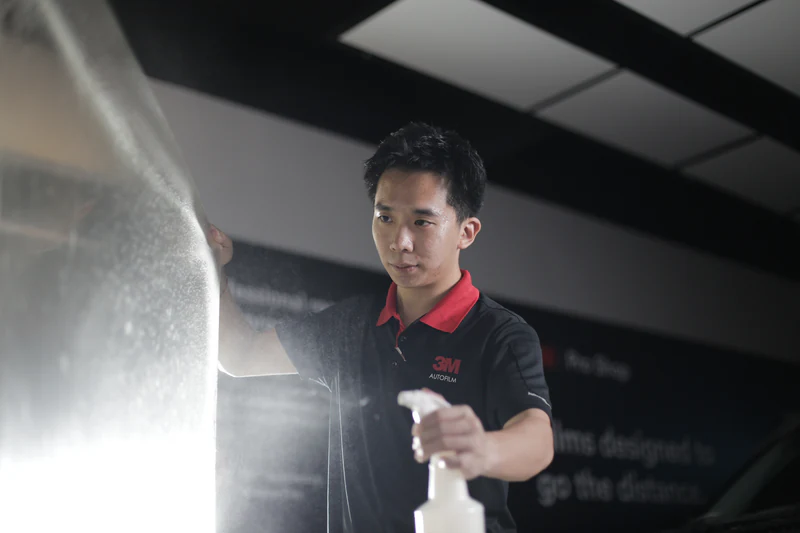
A technician spraying preparation solution and carefully applying film is doing the tint installation. That work matters for the finish, but it does not test the glass design underneath. If a problem appears later, the film installer can explain the film's appearance and care, while the person responsible for the replacement checks the glass part and any required display procedure. Knowing who handles each task avoids confusing a tidy tint installation with a completed HUD check.
Check the glass and the display separately
Once the workshop says you can check the car, you can look over the glass in suitable light while it is stationary. Obvious marks, residue or a concern about the view are worth raising then. If new tint is installed, you could ask how to look after it and which appearance changes need checking.
A clear view of the projected display does not confirm the trim or water sealing. Likewise, reflections on the outside of the glass do not show whether the HUD looks correct from the driver's seat. Each observation answers a different question, so one good result should not be used to dismiss a concern about another part of the installation.
Follow the workshop's instructions on when the windscreen adhesive allows the car to be driven. Sitting in the driver's seat to check the display does not itself mean that waiting period is over. Any driving restriction needs explaining before you leave, even if the image looks normal and the rest of the work appears finished.
If a mark, a reflection or a film edge concerns you when looking at the glass from outside, you can point it out to the installer. That lets them look at the same area rather than guess what you mean. For a double HUD image, the technician needs to look from inside at your usual seat position. These are different views of the same glass.
Camera calibration does not check the HUD
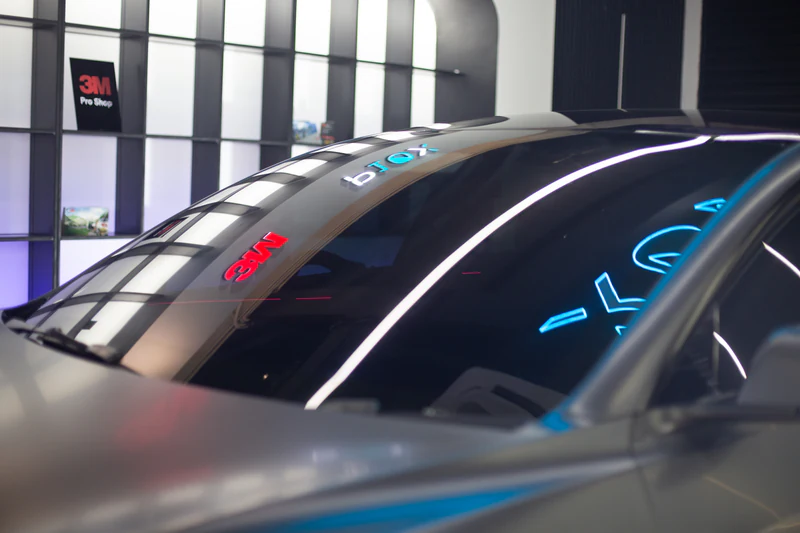
A HUD projects information for you to read, while an ADAS camera looks out through the glass for certain assistance features. Changing the windscreen can affect both, but they need different checks. A successful camera calibration does not confirm that the HUD image looks right or that the correct display glass was installed.
Whether the camera needs calibration after replacement depends on the vehicle's repair instructions. Required calibration should have its own result. Any HUD check or adjustment still needs doing separately. A camera report is not an explanation for a double display image that remains after the job.
If one contact is arranging everything, you can ask who checks the glass, who does any camera work and who handles the display. The invoice, part details and reports should explain what each person did. That gives a later technician useful history instead of leaving them to guess which system was investigated and which still needs attention.
For the film installation, dealer authorisation and trained installers help you assess the products and service being offered. Those qualifications concern film, not every vehicle's HUD or camera. Your booking contact should explain who has the relevant skills for the separate work on your car. A film-brand sign is not enough to answer that question, even when all the tasks are arranged through the same business.
What if the new double image persists?
A new double image, tilt or unreadable display needs checking if it continues after the normal settings have been checked. The workshop needs to know when it began and whether you see it from your usual seat position. Those details help it investigate without assuming the symptom identifies the cause on its own.
Part of that investigation is checking which glass was installed and whether the relevant installation or adjustment procedure was followed. A familiar logo does not prove it was the correct version. Equally, one display problem does not prove that every alternative-brand windscreen is unsuitable. The technician needs to assess your car and the actual part used.
Avoid adding another film layer, placing an accessory near the projector or repeatedly trying settings recommended for another model. Those changes can make the original problem harder to assess. You can describe the view you see without trying to repair the glass or projector yourself. The person investigating needs the correct vehicle information.
If the display distracts you, follow the owner's manual on switching it off and use the vehicle's normal instruments. Do not adjust it while driving or hold a phone to record it on the road. You can ask for the next appointment and responsible contact in writing, including whether any part of the original replacement still needs completing before the workshop considers it finished.
Agree on the glass before booking
Confirming the correct HUD glass before ordering is easier than dealing with a mismatch after installation. The supplier needs accurate vehicle details, the display type and information about any camera or rain sensor. A written part description lets you check what is proposed and compare it with the final invoice when the car is ready.
If the proposed glass changes before the appointment, you can ask the supplier to confirm that the replacement still suits the display. An available pane is not automatically an equivalent one. Keeping the final part details gives the workshop something specific to check if you later notice a change in the image.
Booking replacement and re-tinting together can make arrangements easier, provided the separate checks are still explained. A finished film installation does not confirm the HUD, and a camera result does not confirm the glass surface. The booking contact should explain what is complete and whether another appointment is needed.
You do not need to choose the optical design or diagnose the projector before making a booking. You can provide the vehicle details, describe the display you normally see and raise any persistent change. The supplier and technicians need to establish the correct part and procedures. Before leaving, you should know what they checked, what they found and who will help if the normal view has not been restored.
Find out the best protection for your car
Visit a 3M Pro Shop and discover the cost-effective 3M Protective Film and Window Tint
Frequently Asked Questions
Does every HUD need a special windscreen?
Not every HUD reflects from the windscreen. Some use a separate small panel. For a display projected onto the windscreen, the supplier needs to follow the exact glass requirement for your car rather than assume all HUD designs use the same glass.
Does a manufacturer logo prove it is HUD glass?
No. A manufacturer can supply several windscreen versions. You can ask the supplier to confirm the specific part for your car and its display system, rather than rely on the logo alone.
Is a double image always caused by incorrect glass?
No. The glass, display settings, viewing position and other factors may need checking. A persistent new double image after replacement is a reason to return to the workshop, not a diagnosis by itself.
Will ADAS calibration fix a blurry HUD?
Do not assume so. Camera calibration and a HUD check are different tasks. The workshop needs to investigate the display problem separately rather than present the camera result as a fix for it.
Can tint fix a windscreen that is wrong for the HUD?
Do not use film instead of the specified glass. The windscreen needs to suit the display, and the installer should check any proposed tint separately.
How should I check the display at collection?
Once the workshop says the check can proceed, view the display while stationary from your normal seat position. Use the settings provided for your vehicle. You can raise a persistent change with the workshop before driving away.