✧ Key Takeaways
- A useful calibration report identifies your car, the work done and the result.
- A scan that finds no fault codes does not prove calibration was completed.
- If work is unfinished, you need to know what happens next and whether the car can be driven.
- Glass, tint and calibration paperwork describe different jobs, even if one workshop arranged everything.
Once ADAS calibration is finished after a windscreen replacement, you should receive a report that identifies your car, explains which system was calibrated and gives the result. The workshop should also explain any unfinished work and whether there are restrictions on driving. An invoice saying “calibration” only tells you what you were charged for.
ADAS means advanced driver assistance systems, such as lane support or automatic emergency braking. Different cars and diagnostic tools produce different reports, so there is no single certificate design to look for. What matters is whether the information tells you what happened to your car.
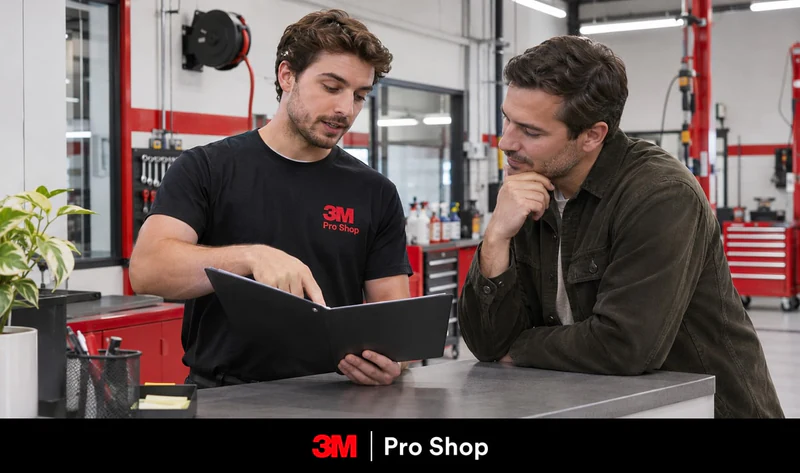
When booking a windscreen replacement with us, you could ask which records you will receive and who will explain them. This is part of planning the replacement, especially if a separate workshop will calibrate the camera. You should not have to work out later whether a paid service was actually completed.
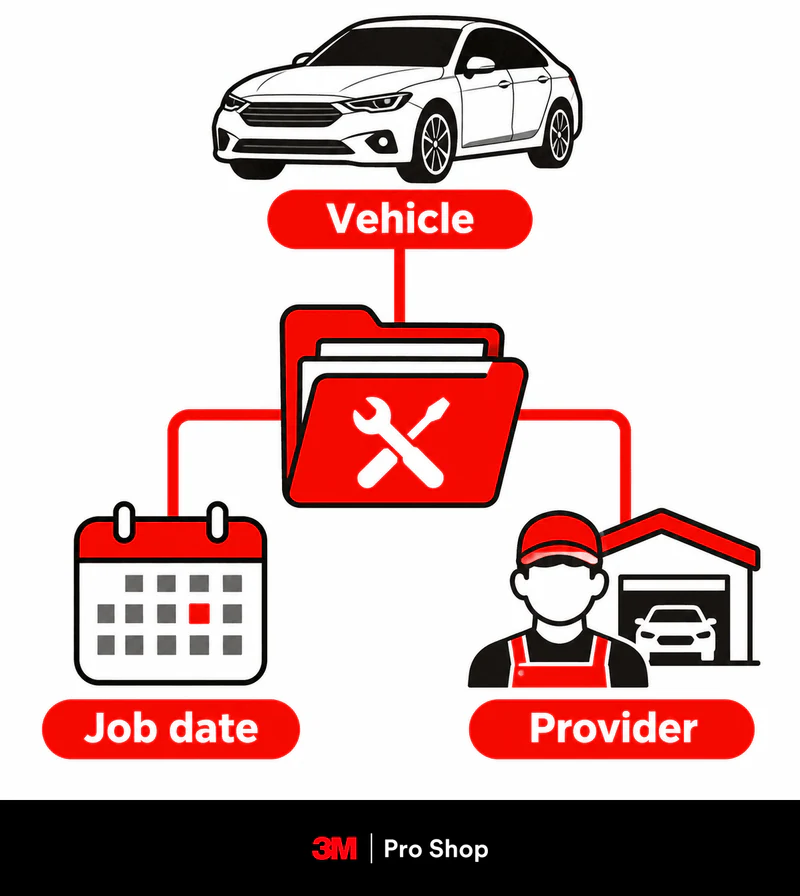
Does the report identify your car?
Your registration number or vehicle identification number, usually called the VIN, should connect the report to your car. The make, model and job date help you check it too. If a reference is missing or unfamiliar, the workshop should explain how it identifies your vehicle and this particular repair.
Dates matter when several reports are included. A scan from a previous visit can be useful history, but it does not tell you what happened after the new windscreen was installed. You could ask the person explaining the paperwork to show you which page records the final calibration, rather than an earlier check or unsuccessful attempt.
Workshop details tell you who carried out the procedure and who can answer a question about it. If another business did the calibration, its report should still clearly relate to your replacement job. You may also see the technician's name, the diagnostic tool and its software version. These help the workshop check how the result was obtained.
You do not need to understand every tool name or code to spot the wrong vehicle details. If the report names another car or the wrong job, the workshop needs to check it and provide the correct copy. You still need the corrected report, not only a verbal explanation of the error.
Which paperwork covers the glass and tint?
Your glass invoice should describe the replacement windscreen and any related parts or work. The calibration report describes what was done to the driver assistance system. Keeping them together helps you connect the two, but neither document should be expected to explain a job that it does not actually record.
For example, the job details may say that the camera was removed and refitted, a mounting bracket was replaced or another fault had to be repaired. These details help explain why a particular procedure was carried out. They also help a later technician understand what changed instead of assuming the visit involved only a new sheet of glass.
Selecting a suitable windscreen for an ADAS car and confirming a completed calibration are separate checks. You could ask which document identifies the glass part and which gives the camera result. If replacement tint was included, its product name and installation details belong with the records too, rather than being mistaken for evidence about the camera.
Going through the paperwork with the person handling your booking is easier than piecing it together from receipts afterwards. They should be able to explain which document covers each task and whether anything is still unfinished. That does not mean every car follows the same order of glass, film and camera work. It means the explanation needs to match the work actually done.
A scan is not a calibration
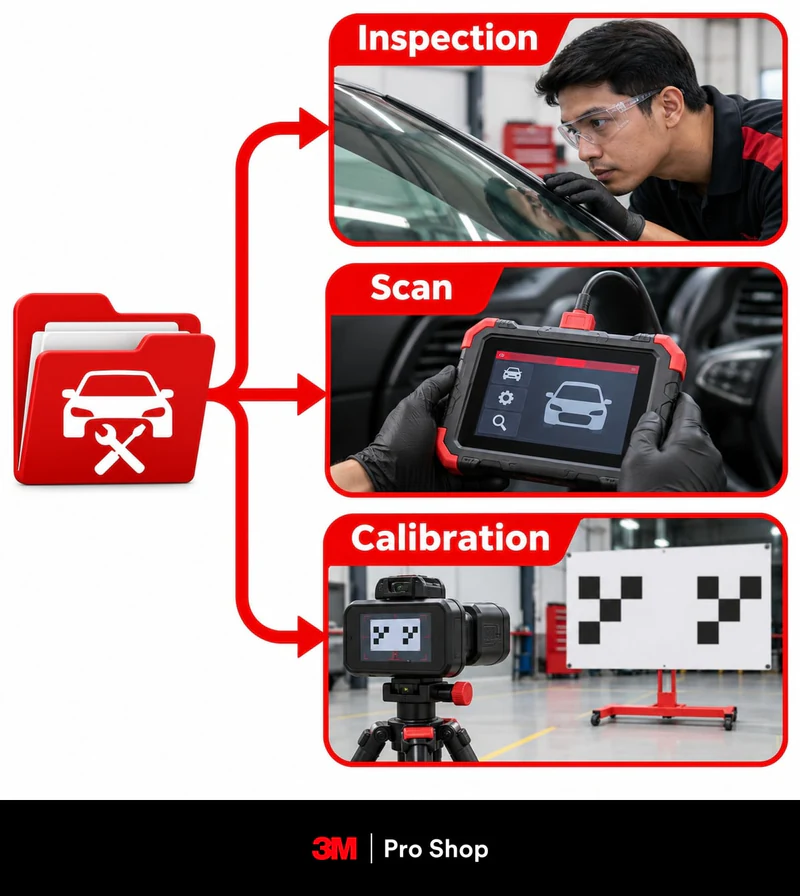
An inspection, a diagnostic scan and a calibration tell you different things. An inspection can record damage or how equipment works. A scan reads information and fault codes from electronic systems. Calibration uses the vehicle maker's procedure to check or set up a sensor in relation to the car.
A scan saying “no faults found” does not, by itself, prove a required calibration was carried out. Whether calibration is needed after windscreen replacement comes from the repair instructions for that vehicle. The workshop still needs to check those instructions even if no warnings or fault codes appear.
Some workshops combine these records on one sheet. That is fine if each entry explains what was done. An earlier fault may have been fixed, may be unrelated to the windscreen or may still need attention. A successful result for one procedure should not leave you assuming that every warning or concern has been dealt with.
Visible checks are useful for a different reason. Before tinting, the installer can note glass scratches, leftover residue, damaged trim and whether switches work. This helps you discuss damage that was already present and lets the installer prepare for the film work. A note about those checks does not tell you whether the camera was calibrated, so it needs to remain separate from the electronic results.
What does a successful result look like?
A useful report names the system or procedure and says whether it was completed successfully. Depending on the car and equipment, you may see a pass message, a completion status or measurements. A plain printout can provide the information you need without looking like an official certificate or carrying a decorative seal.
“ADAS checked” is not enough to explain the result. It does not tell you which system was checked or whether calibration finished. If the car has several assistance features, you could ask which ones this repair involved. One camera result should not be taken as confirmation that every sensor on the car was calibrated.
The method matters too. Static calibration uses targets while the car is stationary. Dynamic calibration uses a specified driving procedure. Some systems need more than one stage. Your vehicle's repair instructions determine which method applies, not whether one sounds more thorough or is easier to fit into the appointment.
If an attempt failed before a later one succeeded, the workshop should explain which result is final. Any supplied measurements also need explaining against the relevant specification, rather than leaving you to interpret a screenshot. You are checking what each document confirms: the inspection, the scan or the calibration. A page headed “scan” should not be presented as proof of all three.
What should you receive for new tint?
Windscreen replacement can also mean installing new tint. You could ask which film was installed and how you can take care of your new tint. Those details belong with the glass paperwork, but they answer a different question from whether the camera was calibrated and whether the car is ready to drive.
Installing tint around ADAS and head-up displays also means checking the areas used by cameras, sensors and displays. Your installer should explain any relevant restriction before film goes on. A recognised film product does not remove the need to select suitable glass or complete the camera work required for the car.
If the workshop gives you a return appointment, the note should say whether it concerns the tint, glass or camera. That keeps a later technician from mistaking an unfinished film check for an unfinished calibration, or the other way round.
When collecting the car, you can also discuss how the finished tint looks. Reflections, visible marks or a film edge are things to show the installer directly. If the appearance is expected to change as the film dries, ask them to explain what to expect and when a return visit is needed. That advice concerns the tint, not proof of a successful calibration.
Who can help after you collect the car?
You need to know who to contact if a question comes up later. That might be the glass installer, the calibration workshop or the person who arranged the booking. If another business calibrated the camera, your main contact should explain who supplies its report and who can discuss the result with you.
Different concerns may need different people. A warning message may require the scan and calibration history. A lifted film edge or another tint concern needs the installer to check the film. Your booking contact should explain how it will help with either, rather than leaving you to guess which business is responsible.
If a return visit is already needed, the appointment details should say where to bring the car and which job reference to use. Known unfinished work should be explained when you collect the car. A general invitation to call if anything happens is not the same as arranging the work that still needs doing.
For tint, trained installers, careful finishing and help after installation all matter. You can ask who will check an edge or finish concern instead of relying only on the film name printed on the invoice. That is different from diagnosing a camera problem. Film installation training should not be presented as proof that someone can calibrate every camera system or assess every electronic warning.
What if calibration was not completed?
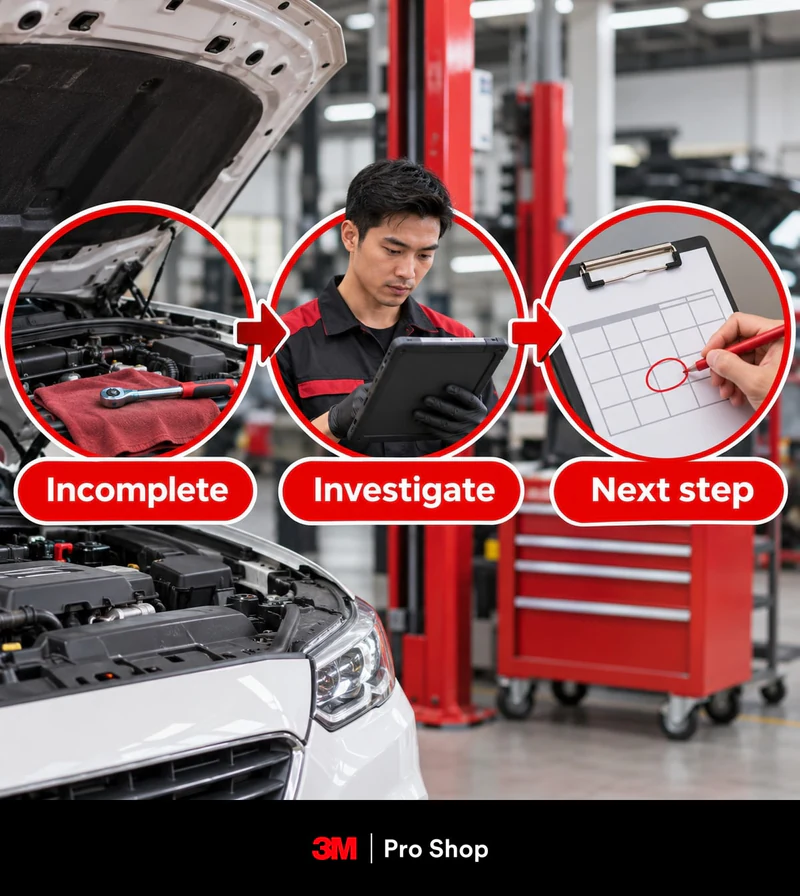
A failed or incomplete calibration needs an explanation, not a description that makes it sound finished. The workshop should tell you which procedure stopped and what prevented it. Preparation may be incomplete, another fault may need repair or the conditions may be unsuitable. The word “failed” alone cannot identify the cause.
A normal dashboard does not turn an unsuccessful attempt into a completed calibration. At the same time, a failed attempt does not prove that the replacement glass is faulty. The technician needs to investigate using the repair information for your car, rather than choose a cause from the result alone.
Before moving or collecting the car, have the responsible workshop explain any restrictions on using it. If safe use is uncertain, resolve that before driving away. Do not deliberately trigger emergency braking or lane intervention to see whether the system works. That is not a safe way for an owner to check an unfinished repair.
A written note should say what still needs doing, who will do it and how you will receive the final result. Another appointment may be needed for repairs or the required conditions. Once calibration is completed, you should receive the updated result. Keeping it with the earlier attempt helps a later technician see what happened without mistaking the old failure for the final outcome.
What a calibration report cannot guarantee
A successful calibration report records work done at a particular time. It does not guarantee that every assistance feature will work in every road condition for the life of the car. Visibility, weather, road markings and the limits described in your owner's manual can still affect how those features behave.
It does not confirm every part of the windscreen installation either. Glass fit, leaks, trim and a clear view through the glass need their own checks. The workshop should also explain when the windscreen adhesive allows the car to be driven. A completed camera procedure cannot answer that question for the adhesive.
If the driving instructions are unclear or appear to conflict, have the workshop explain them before you move the car. Do not choose the shorter wait yourself.
If a warning appears later, you can tell the workshop when it began, what the message said and whether another repair has happened since replacement. Its earlier report gives useful history, but a past pass should not be used to dismiss a new concern. Do not repeat a manoeuvre to make an assistance feature intervene. Describe what you noticed and let the technician investigate it safely.
Before leaving, check you have the final report
Before you leave, you can open the digital files or read the printed copies while someone is available to explain them. Check that the pages are readable and show the final result, rather than only a photograph of the first screen. A digital copy is useful when it keeps all the relevant information.
The explanation should identify the system worked on, say what finished successfully and make any unfinished work clear. If you do not recognise an abbreviation, you could ask what it means for your car. “Completed” on one page should not leave you guessing about a warning or another appointment mentioned elsewhere.
Keeping the records together makes them easier to find for a later repair, sale or return visit. The glass invoice, relevant scans, calibration results and any film details describe the work from different angles. Instructions about collecting or driving the car belong there too, so a later question does not depend on remembering a conversation at the counter.
If a report will arrive later, you can agree who will send it and which version will be final. This is particularly helpful when another workshop carried out calibration. You do not need a certain certificate design or a large stack of pages. You need a readable record for your car, an explanation of the result and a named contact for anything unfinished.
Find out the best protection for your car
Visit a 3M Pro Shop and discover the cost-effective 3M Protective Film and Window Tint
Frequently Asked Questions
Is a calibration invoice enough?
An invoice tells you what was charged for. You should also receive a calibration result for your car, any relevant scan records and instructions about work that is not finished.
Does a scan with no faults mean calibration is complete?
No. A diagnostic scan and calibration are different procedures. A scan finding no fault codes does not prove that calibration required by the vehicle's repair instructions was carried out.
Should the report say static or dynamic calibration?
It should be possible to find out which method was used and why it applies to your car. Static calibration uses targets while the car is stationary. Dynamic calibration uses a specified driving procedure. Report formats vary, so the workshop may need to explain the entry.
Can I drive if calibration could not be completed?
Have the responsible workshop assess the unfinished work and explain whether the car can be moved or driven. Do not assume it is safe just because no warning light is showing.
Does the calibration report cover new tint too?
Not ordinarily. Tint product details and instructions on looking after the film are separate, even if the glass, tint and calibration are on one invoice.
What if a warning appears after collection?
Note the warning and contact the workshop with your job reference and reports. Follow the vehicle manual and any safety instructions. Do not deliberately trigger assistance features to test them.