✧ Key Takeaways
- OEM and aftermarket labels alone do not tell you whether a windscreen suits your car.
- Some vehicle makers require their own replacement glass. The workshop needs to check your car's instructions.
- Cameras, rain sensors and head-up displays can require different glass versions within the same model range.
- The quote should identify the glass and explain any calibration or other work included.
When replacing the windscreen on a car with ADAS, an OEM or aftermarket label alone does not tell you whether the glass is suitable. The part needs to meet your vehicle maker's requirements and suit the equipment on your car. Any required camera calibration needs arranging as well.
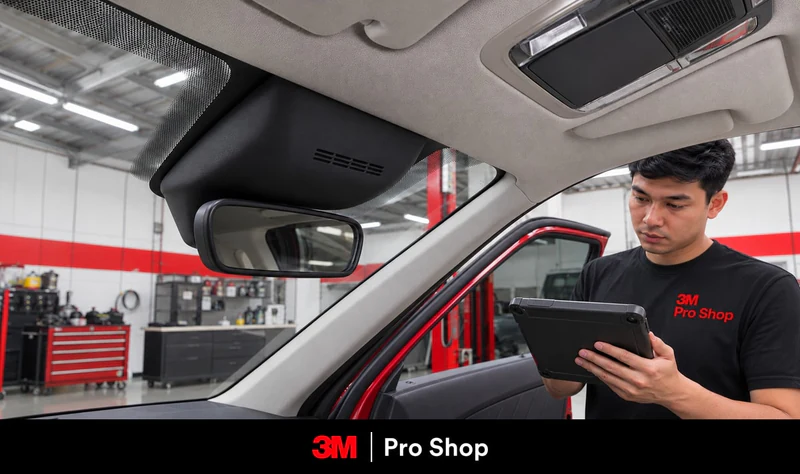
ADAS means advanced driver assistance systems, such as lane support or automatic emergency braking. Some use a camera that looks through the windscreen. That makes choosing the correct glass more than a question of whether the new pane fits the opening.
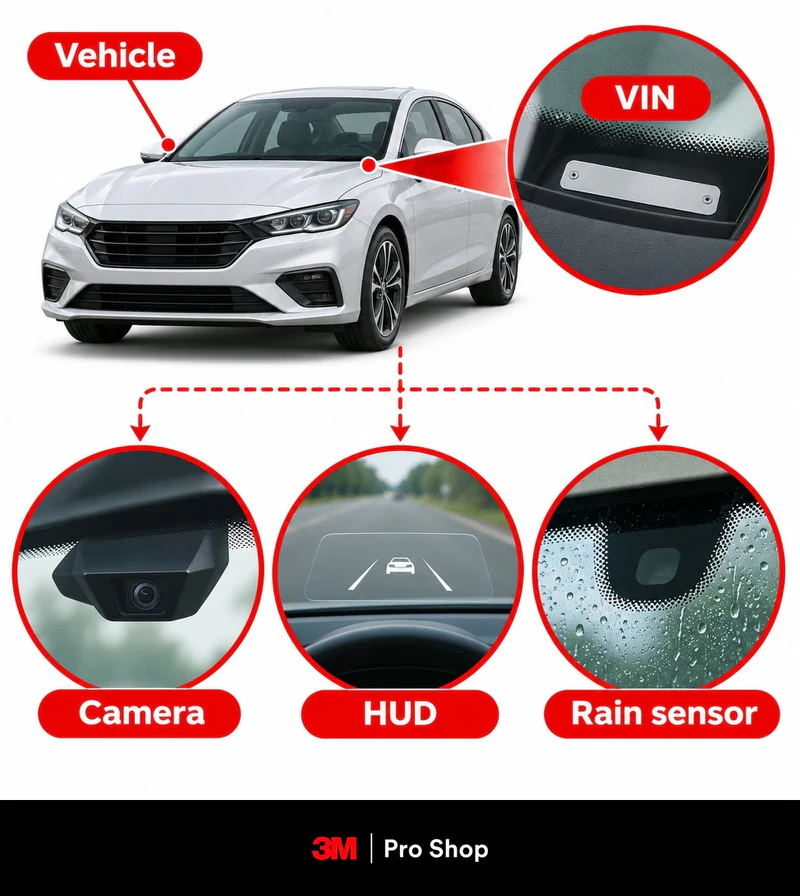
When discussing a windscreen replacement with us, you could mention the camera, rain sensor and head-up display, if your car has them. These details help with planning the replacement before glass is ordered. They also make it easier to compare quotes for the same part and work, rather than two prices that include different things.
Which glass version does your car need?
Your car's make, model and year may not be enough to identify the correct windscreen. Different versions of the same model can have different equipment. Glass intended for a car without a camera or head-up display may not suit one with those features, even if the shape looks the same.
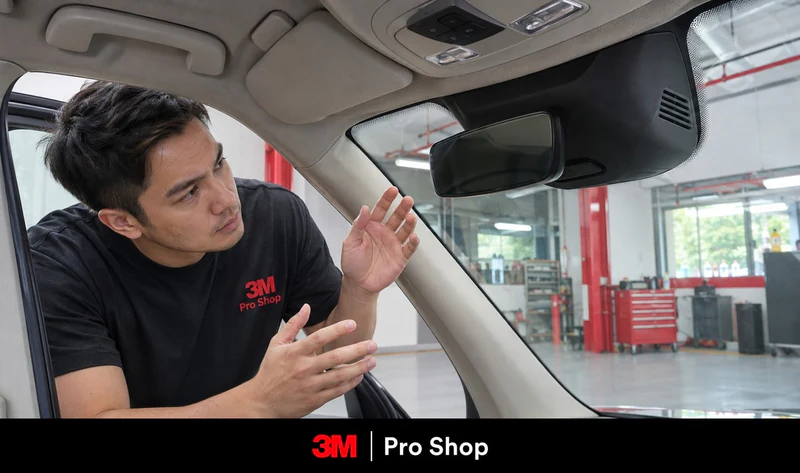
Your vehicle identification number, usually called the VIN, helps the supplier check the part alongside the equipment actually on the car. A photograph may help with that conversation, but it may not show every option. The workshop should identify unfamiliar equipment behind the mirror rather than expect you to decide whether it is a camera, a rain sensor or both.
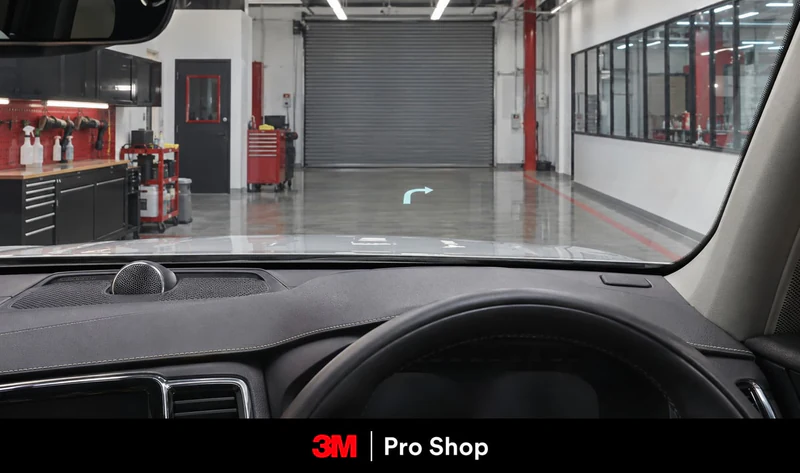
A head-up display projected onto the windscreen and a rain sensor for automatic wipers have different functions. Both are reasons to check the glass version before ordering. “Fits this model” leaves that question unanswered if the supplier has several windscreens for cars with different equipment.
You do not need to read every glass marking or become familiar with a parts catalogue yourself. You can ask the supplier to explain how it selected the replacement and include the brand and part details in the quote. That gives you something specific to check against the final invoice if the proposed glass changes before installation.
Why OEM and aftermarket labels are not enough
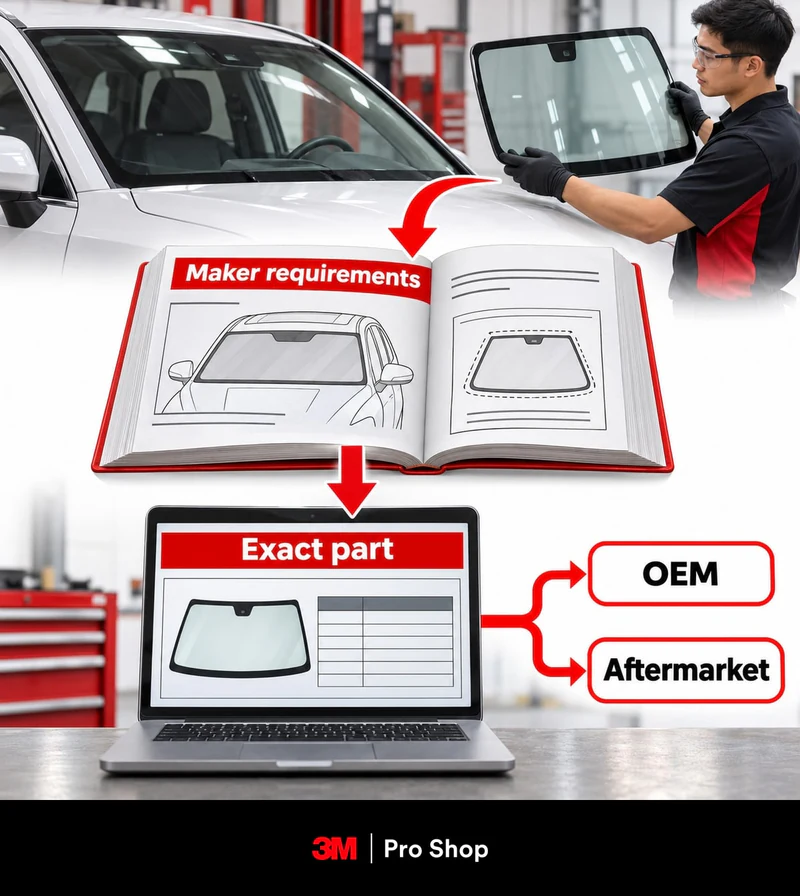
OEM stands for original equipment manufacturer, but suppliers do not always use the label in the same way. A quote may mean vehicle-branded glass or glass from an original equipment supplier. OEE stands for original equipment equivalent. Neither abbreviation removes the need to identify the actual replacement part being offered.
Some vehicle makers specifically require their own glass. General Motors, for example, states that requirement in its windscreen replacement position statement. That is a requirement for the vehicles it covers, not a rule to apply automatically to every other brand. The workshop needs the current repair information for your particular car and market.
An Autoglass-commissioned study compared selected OEE and OEM windscreens after calibration and reported equivalent performance in the functions tested. The limits matter: selected glass, selected tests and a commercially commissioned study. It does not show that all aftermarket glass works with every camera, or allow a shop to ignore a vehicle maker's instruction.
You could ask for the glass brand and part description in writing. Phrases such as “same factory” or “same quality” do not explain whether that particular product is allowed for the repair. The supplier should first check the maker's requirements and identify a suitable part. It can then explain why it recommends that particular windscreen, rather than rely on the OEM or aftermarket label alone.
What worked before the glass was removed?
Before replacement, it helps to describe any warnings or equipment problems the car already has. That gives the workshop a starting point for comparison afterwards. A note about the electronic checks is different from a note about a scratched piece of trim, and both may be relevant to the visit.
For example, lane support may already be unavailable, the automatic wipers may respond differently or the head-up display may already look doubled. Describing when you noticed the problem helps the technician investigate it. A new windscreen should not be expected to repair an unrelated fault simply because the equipment sits nearby.
If a fault prevents required calibration, the workshop should explain what needs checking or repairing first. It is useful to keep those findings with the final report so a later technician can see what changed. If damaged glass prevented a check before removal, the record should say that, rather than claim the feature was working normally.
Before tinting, the installer also needs to check the glass, trim and switches. Existing scratches, old film residue or damaged trim are worth noting before tint installation begins. This helps with preparation and with discussing whether a mark or fault was already present. Those visible checks are useful for the film installation, but they cannot confirm that replacement glass suits an ADAS camera.
Does the glass suit your camera?
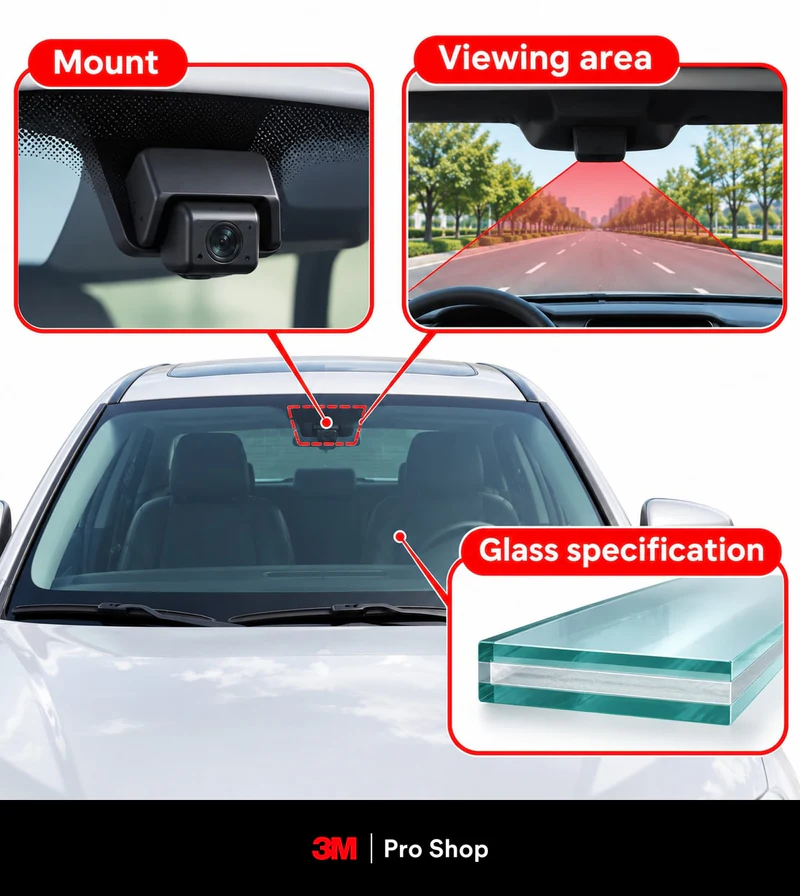
A suitable replacement windscreen needs the correct arrangement for the camera, including its mount and the glass it looks through. Fitting the opening is not enough. The part also needs correct installation and any calibration called for by your vehicle maker's repair procedure. None of those steps replaces another.
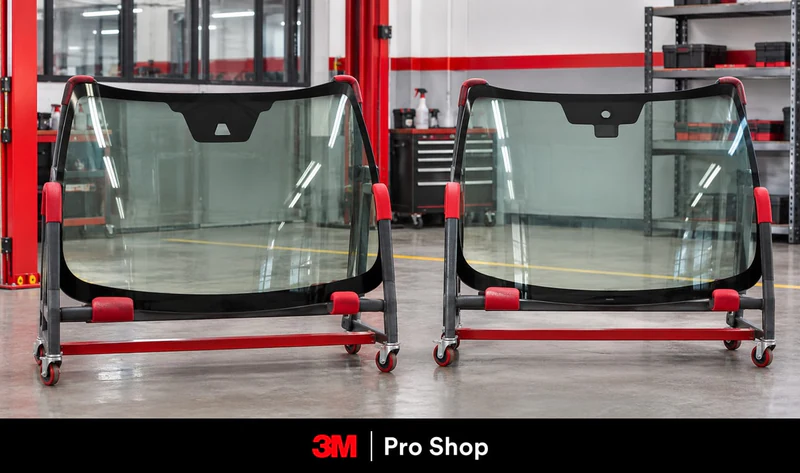
Depending on the car, differences may include the camera bracket, the rain sensor's mounting area, glass for a projected display, layers that reduce sound or heating elements. Not every car has all these features, and they do not all affect ADAS in the same way. A pane for another version can still leave out something your car needs.
A successful calibration after windscreen replacement does not remove the maker's glass requirement. Equally, a correct part label does not prove that required calibration can be skipped. Choosing the part, installing it and carrying out the camera procedure each need to follow the relevant instructions.
If a substitute is offered, the supplier should explain why it suits the car before the old glass is removed. You can ask specifically about the camera mount, the area the camera looks through and the glass version. Calibration should not be offered as a way to make any available pane suitable when those basic part checks have not been answered.
New tint is a separate choice
If the old windscreen was tinted, you may want new film as part of the booking. The supplier still needs to select glass that meets your vehicle maker's requirements. A recognised tint product cannot make the wrong windscreen suitable for your car or camera.
The film installer needs to know about the camera, sensors and display before installation. Some areas may have requirements about what can cover them. These need checking for the actual vehicle and proposed film, rather than assuming that every visible area should be covered because it looks neater from outside.
When replacement and re-tinting are booked together, you could ask who checks these details and how the work will be arranged. This does not mean imposing one order of work on every car. It means the people doing the glass, camera and film work know when each task can go ahead.
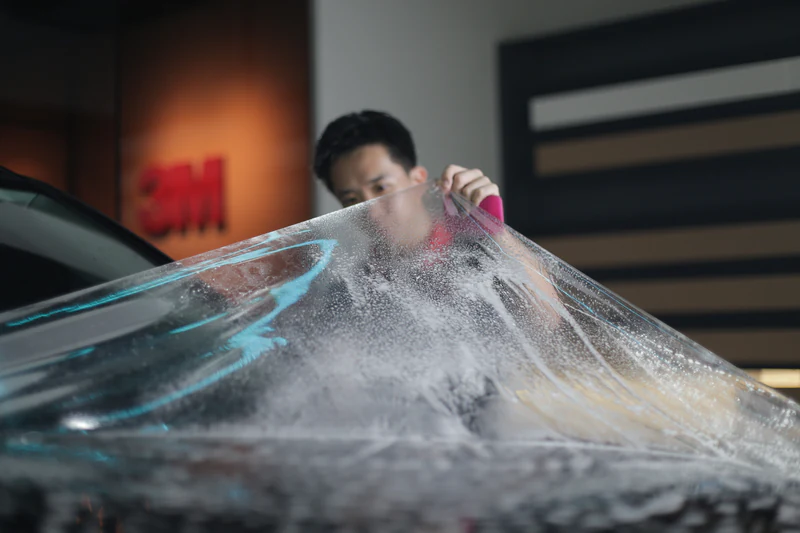
During tint installation, the technician prepares the film, applies it using the appropriate wet method and finishes it on the glass. That work concerns the film, not the camera bracket or the glass specification. You can keep written confirmation of which film was installed and how to look after it with the glass invoice. Separate details make a later question about either product easier to answer.
What is included in the quote?
A clear quote identifies the glass and lists the work included. That may cover fittings, related parts and arrangements for required camera work, rather than leaving everything under one line saying “windscreen replacement”. With those details, you can compare two offers without assuming that the same description includes the same tasks.
Camera calibration, rain-sensor setup and a head-up display check are not the same job. One may be needed without another, depending on the car and repair. “All sensors checked” does not explain whether someone reconnected a part, checked a function or completed a particular electronic procedure. Naming the task makes the offer easier to understand.
For an insurance job, approval does not explain every detail of what will be supplied. If the approved part or work differs from what you expected, the workshop and insurer need to explain that before installation. A part being in stock, being preferred by an owner and being required by the vehicle maker are different reasons for choosing it.
If the proposed glass changes, you can ask for an updated description before agreeing to the replacement. A service consultation is a chance to discuss the actual glass, fittings and camera arrangements together. It is easier to resolve a part difference during that conversation than discover it on the invoice after the old windscreen has been removed.

Who is doing each part of the job?
Your booking may involve a glass installer, a separate calibration technician and a film installer. One contact can arrange all of that, but you should still know who does which work. If another business is involved, the contact should explain who will collect its report and help with a later question.
Before removal, someone needs to confirm that the delivered windscreen is the correct part. If a different version arrives, checking then avoids finding out after the old glass is out. You could ask who makes that check and who will contact you if the proposed replacement has changed.
If calibration is done elsewhere, useful details include where it happens, who arranges the appointment or transfer and how the final result reaches you. Photographs of equipment do not explain those arrangements. Nor should you have to discover when collecting the car that a required appointment has been left for you to organise without explanation.
For tint, an authorised film dealer and trained film installers matter because you want genuine products and proper installation. Being trained to install film does not prove that the same person can calibrate your car's camera. You can ask the booking contact how the film service fits with the separate glass and electronic work. That lets you assess the relevant qualifications without assuming one type of training covers the whole replacement.
What should you check when collecting the car?
Your final invoice and job details should identify the glass actually installed and say whether the agreed work is complete. Any relevant scan and calibration records should relate to that same visit. If a different part was used, the paperwork needs to explain the change rather than leave you comparing two conflicting descriptions.
Follow the workshop's instructions about when the windscreen adhesive allows the car to be driven. There may be a waiting period even after other work is finished. Unresolved warnings or an incomplete procedure also need explaining before use. A neat installation does not answer either question, and sitting in the car for a check does not remove a driving restriction.
If you notice distortion, a persistent double image in the head-up display or a feature behaving differently, describe it from your normal driving position. That gives the technician a symptom to investigate. The OEM or aftermarket label alone cannot identify the cause or show that every product in that category would behave the same way.
Do not deliberately trigger emergency braking or drift out of a lane to test the result. The qualified workshop needs to follow the relevant procedure instead. Your observations and the job records can help it investigate without asking you to reproduce a risky situation or prove a point about which glass label is better.
How to decide between the two offers
The better basis for a decision is the specific part and work your car needs, not a claim that one broad glass label is always superior. Each offer should explain how the part meets the vehicle maker's requirements and what installation or camera work is included. Then you have a meaningful comparison.
If the maker requires its own glass for your vehicle, that remains part of the repair requirement. If an alternative is proposed, the supplier needs to explain how it meets the applicable instructions. A story about where the glass was made cannot replace that check or turn a part of uncertain suitability into an approved choice.
You do not need to memorise every marking to make an informed booking. Accurate vehicle details and information about its equipment help the supplier select the part. When comparing windscreen replacement workshops, you can ask them to explain those checks rather than rely only on a familiar logo or claims of experience.
If two quotes still look alike, the unanswered details are a useful place to start. One may name the exact pane and calibration provider while the other leaves both unclear. Getting those details before installation lets you decide on what will actually be supplied, why it suits your car and how the workshop will confirm the job is complete.
Find out the best protection for your car
Visit a 3M Pro Shop and discover the cost-effective 3M Protective Film and Window Tint
Frequently Asked Questions
Does an ADAS car always need vehicle-branded glass?
Not every vehicle has the same requirement. Some manufacturers specify their own replacement glass, so the workshop needs to check the current instructions for your car. One brand's policy does not establish a rule for every car.
Is OEE the same as OEM?
OEE usually means original equipment equivalent. OEM means original equipment manufacturer. Suppliers may use the labels loosely, so you can ask which glass brand and part the quote actually includes and how it meets your car's requirements.
Can calibration make any replacement windscreen suitable?
No. The glass still needs to be the correct part and be installed properly. Calibration does not replace your vehicle maker's requirements for the windscreen.
Should I mention my head-up display and rain sensor?
Yes. These features can affect which glass version your car needs and what should be checked after replacement. Giving those details before glass is ordered helps the supplier select the part.
Does new 3M tint prove the glass is correct?
No. Tint and replacement glass are separate choices. Installing 3M film does not confirm that the windscreen suits the camera or meets the vehicle maker's replacement requirements.
What paperwork should I keep?
You can keep the invoice, the final glass description, any relevant scan and calibration results, and details of new tint if installed. Any unfinished work or restrictions on driving should be explained too.