✧ Key Takeaways
- Quotes are easier to compare when they name the panels and film series.
- Your quote should say how much of the bonnet the film will cover.
- You can ask about extra panels without covering the whole car.
- Existing paint marks need attention before installation, not after they are under clear film.
- 3M's care guidance requires a 72 hour wait before the first wash.
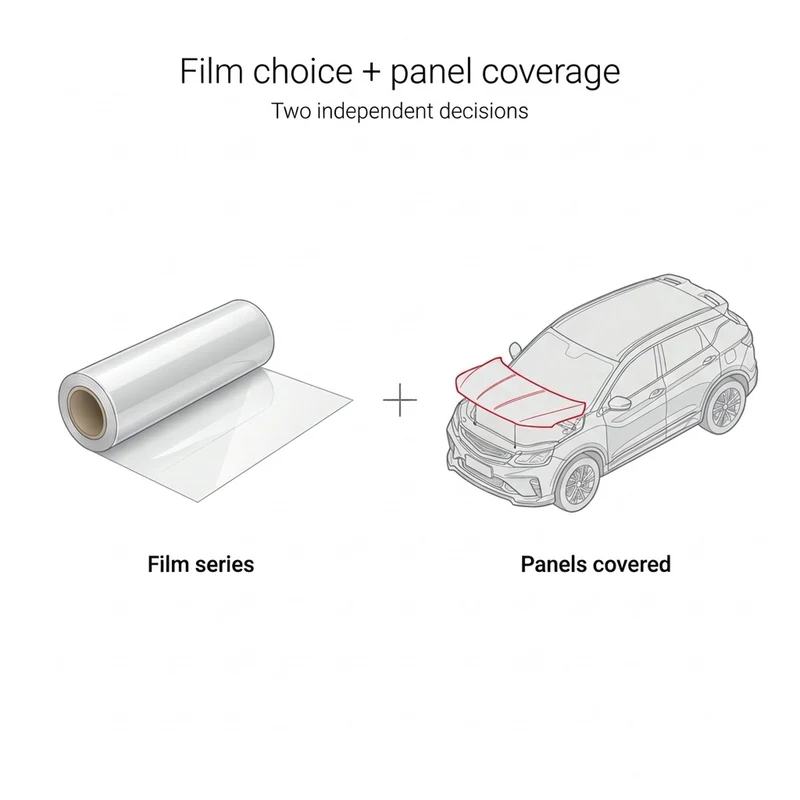
PPF does not have to cover your whole Proton X50. You can cover individual panels or choose a package. Even if two shops call their package “full front”, one may cover the whole bonnet while the other only covers part of it. When comparing 3M paint protection film quotes, check which panels are included and how much of each panel is covered.
An X50 owner on Lowyat wrote that a repaired rear bumper still looked slightly different from the rest of the car two and a half years later. A carpark scrape or trolley knock can leave you needing a repair, and resprayed paint may not look quite the same. That is worth considering when deciding which panels to leave uncovered.
If you are collecting an X50 soon, you can discuss paint protection film for the paint and window tint for the glass during the same visit. They are separate jobs, so the quote should make clear which panels and windows each includes.
Full front: which panels are included?
Full front PPF usually covers the bonnet, front bumper, front fenders, headlights and side mirrors. Some shops include the door handles too. Panels from the front doors back, and the roof, are separate choices.
These five areas face the road ahead and take most of the highway stone chips thrown up by the car in front. Panels further back are not exposed to that spray in the same way.
When deciding how much PPF coverage you need, ask whether “headlights” and “fenders” include both sides. Film on the mirrors covers the outside housing, not the glass you look into.
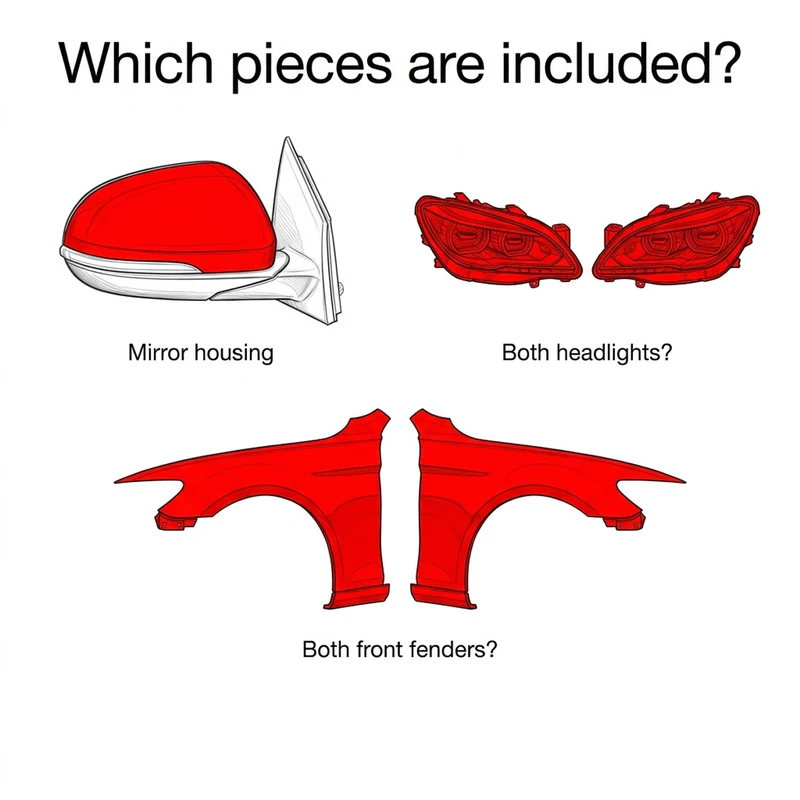
Our Series 150 and Series 50 brochure calls its front package 50% Superior. It lists a full bonnet, front light, bumper, fenders, side mirrors, door step and door handles. Despite the name, it does not mean exactly half of the X50's surface is covered. Roof coverage is not listed. “Door step” means the sill inside the door opening, not the lower body panel beneath the door.
Bonnet coverage: where does the film stop?
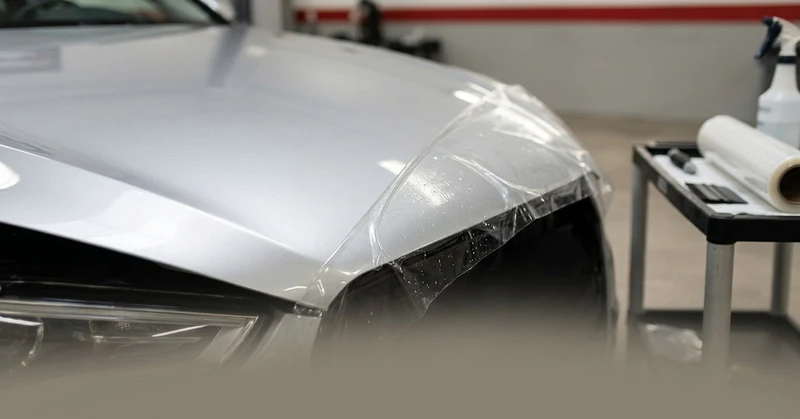
You can cover part of the bonnet or the whole panel. Partial coverage starts at the front lip, also called the leading edge, and stops between a quarter and halfway back. Full bonnet coverage reaches the windscreen.
Both may appear as “bonnet coverage” on a quote, but covering the whole panel uses a much larger sheet and takes much longer. Having “full bonnet” written on the quote makes it clear which job you are paying for.
With either Series 150 or Series 50, you can choose full bonnet coverage on its own without buying a car package.
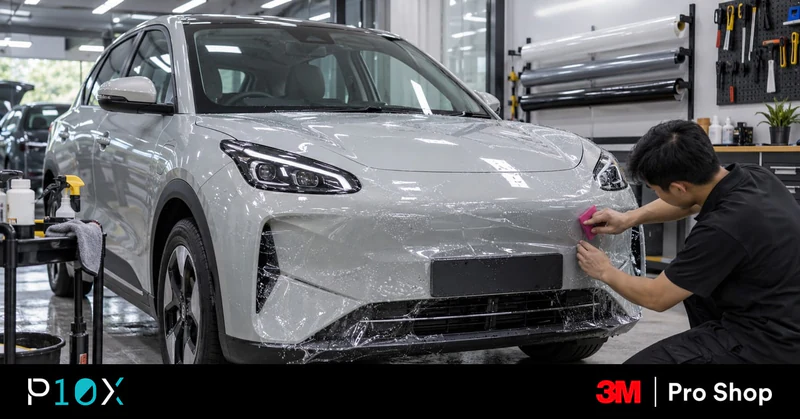
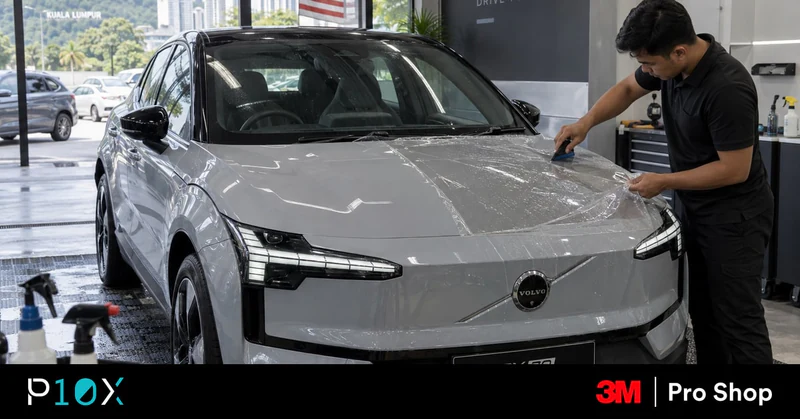
A large, loose sheet held over the bonnet during preparation does not mean the whole bonnet will be covered. The finished film may stop partway along the panel. Your written quote should confirm where it will end.
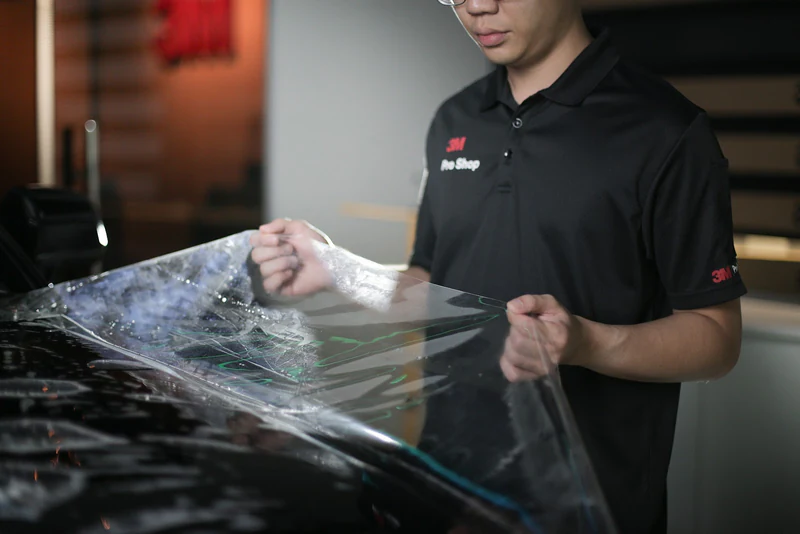
If a quote only says “bumper”, ask whether that means the front bumper, rear bumper or both. Our current menu does not make that distinction. Having the answer on the quote and job sheet gives you a record of which panels were included.
3M PPF: how the films look and fit
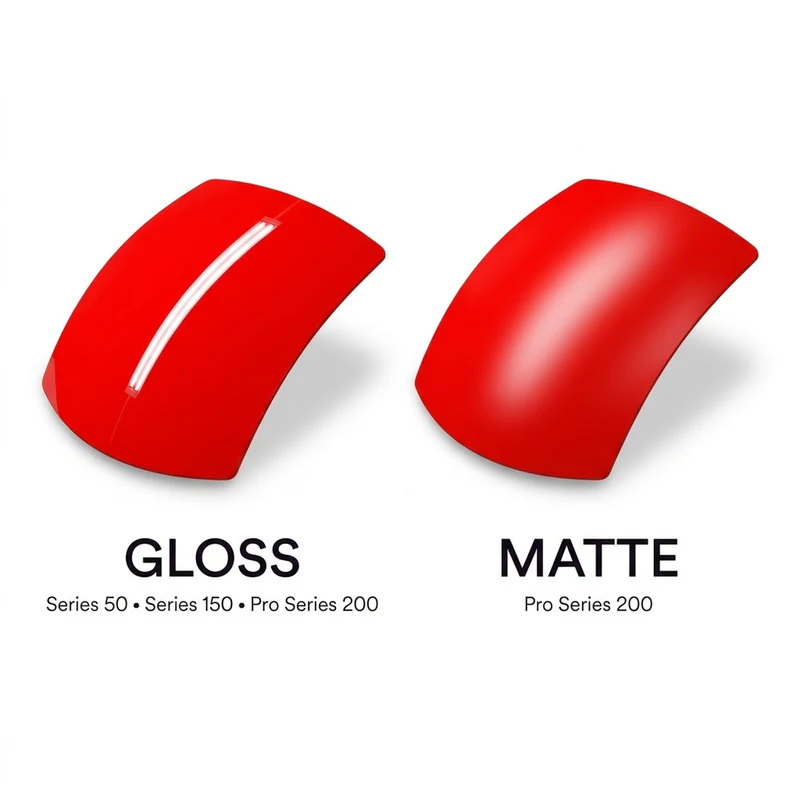
3M's current PPF range includes Pro Series 200, Series 150 and Series 50. Pro Series 200 comes in matte or gloss, while Series 150 and Series 50 come in gloss. 3M describes Series 150 as exceptionally clear, with less orange peel, the slightly bumpy texture you may see in a reflection.
Series 150 also bends easily around difficult curves and resists stains well. Its surface repels water and dirt, which is what hydrophobic means.
Pro Series 200 also repels water and dirt. Its brochure describes it as exceptionally resistant to stains, and it is the current option if you want matte rather than gloss. Series 50 Gloss is the entry film for basic paint protection. Its warranty covers bubbling and cracking, but not yellowing. Resistance to yellowing does not mean the warranty covers it.
A sample lets you see the finish before choosing a film. Series 100 is no longer in the current range, even if you find it in an older comparison or offer.
X50 panels: chips and everyday scratches
On Malaysian highways, stone chips are most common along the bonnet's leading edge, followed by the front bumper, headlights, front fenders, then side mirrors and door handles.
Bonnet leading edge: where chips appear first
Your bonnet's leading edge takes direct impacts at highway speed and is the first place chips appear on almost every car. If your budget only stretches to one panel, this is the one to cover.
Front bumper: grit, tar and kerbs
Your front bumper sits lower than the bonnet and collects road grit, tar and debris from the tyres ahead. It is also the panel most likely to catch a kerb in a tight parking bay.
Headlights: keeping the lenses clear for years
Plastic headlight lenses go cloudy and yellow under our sun, and unlike paint they cannot simply be resprayed. Film on the headlights is less about chips today and more about keeping the lenses clear over the years.
Front fenders: grit from the tyres
Just behind the front wheels, this section takes a constant spray of grit thrown backwards by the tyres. A small piece of film protects this area, the part of the car most likely to look sandblasted when the car is five years old.
PPF is a physical sheet over the paint, rather than a liquid coating. 3M's brochures describe protection against chips, scratches, road tar, stains and ultraviolet radiation. That does not mean film can stop every impact, and it cannot make damage already in the paint disappear.
Side mirrors and door handles
Side mirrors catch stones while the car is moving. Around the door handles, fingernails leave scratches as people get in and out.
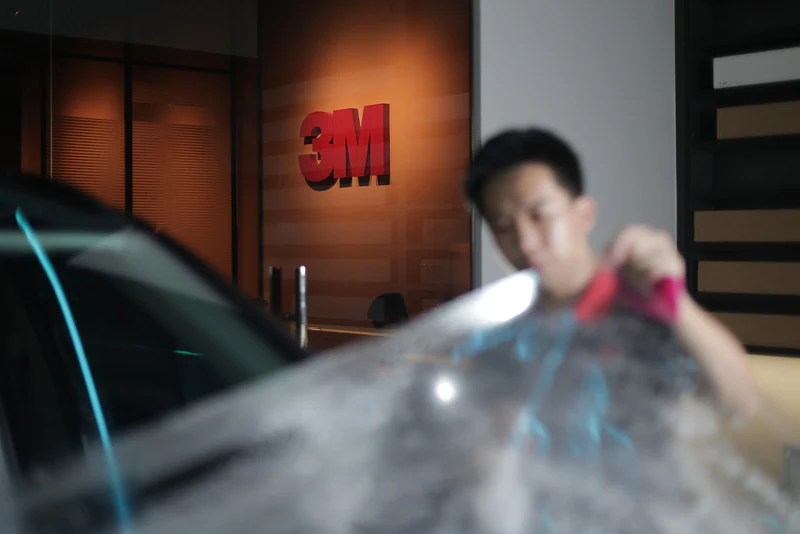
Bonnet film: edges and fitting marks
A neatly fitted film edge is either wrapped around the panel or trimmed smoothly enough that it does not catch a fingernail. With partial bonnet coverage, that edge sits across the middle of the panel, so the finish is especially noticeable.
Dirt collects along an exposed film edge. Within a year, that line can stand out whenever you walk up to the car.
If you are covering only part of the bonnet, you can ask where the film will stop. For a full bonnet, ask which edges will wrap around the panel and which will be trimmed. Looking at a similar finished panel can help you explain the result you want.
3M's product information says the film can be moved during fitting to reduce lift lines, the visible marks that can be left by lifting and repositioning it. Before collecting the car, you can look over the bonnet with the installer and discuss any lines or lifting edges you notice.
Beyond full front: boot, sides and rear
Beyond full front, you can cover the doors, rear quarters, boot lid, boot lip, roof, rocker panels and rear bumper. Rocker panels are the strips along the bottom of the doors. Door handles may already be included in a front package, so check before adding them again.
On a family SUV, the boot lip, rocker panels and rear bumper pick up everyday scuffs that the front panels rarely see.
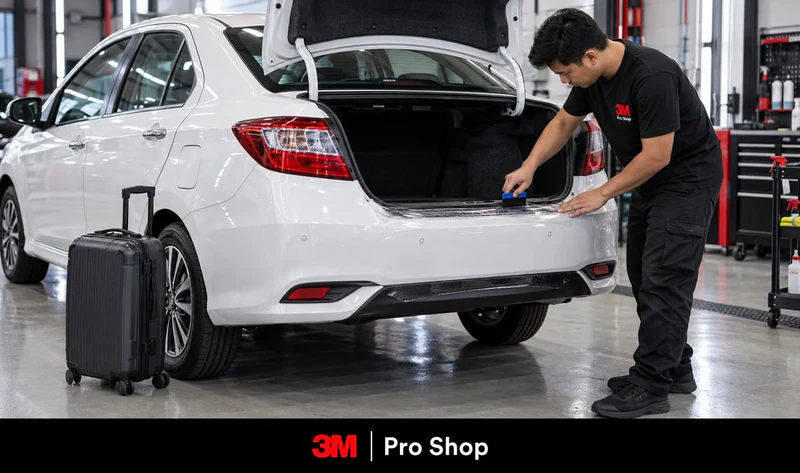
A boot lip is easy to overlook. Grocery bags from Village Grocer or a suitcase dragged over the edge on the way to KLIA can scuff the paint. Small marks may not be obvious at first, then become noticeable a few months later when you look over the car.
Rocker panels sit low, directly behind the front wheels, where they get sprayed with grit and road water on wet drives. On a light coloured X50, that wear can take years to become obvious. On a dark one, it can show sooner as a dull band along the bottom of the doors.
In a carpark, trolley marks, shopping bags and light scrapes can scuff your rear bumper. PPF can help protect against those lighter marks, but it will not stop damage from a real impact.
Full body PPF usually adds those panels to full front coverage. If you do not want to cover the whole car, you can ask for the boot lip, rocker panels and rear bumper as separate pieces. They use a small fraction of the film needed for full body coverage and protect areas where marks can mean repair costs when you trade in the car.
Choosing a film and deciding which panels to cover
Pro Series 200's brochure suggests protecting areas such as the bonnet, bumpers, fenders, mirror backs, door edges, boot lip, roof and rocker panels. Those suggestions are not a Pro Shop package list. We do not have a confirmed 50% or 100% package for Pro Series 200.
Your quote should name the film beside each panel it covers. That lets you compare two films without accidentally comparing different amounts of coverage too.
Series 150 suits the front panels, where it matters most that the film looks clear on the paint and bends easily around curves. Pro Series 200 is worth asking about for the rocker panels and boot lip. Its brochure lists both as areas to protect and calls its resistance to stains "exceptional", compared with "high" for Series 150. Series 50 gives basic protection on panels that mostly pick up everyday scuffs and light wear, such as the rear bumper and roof.
| Panel | What can damage it | Impact risk | Suggested 3M series | Coverage tier |
| Bonnet leading edge | Highway grit at speed | Highest | Series 150 | Full front |
| Front bumper | Road grit, tar, kerbs | Highest | Series 150 | Full front |
| Headlights | Stones and UV exposure | High | Series 150 | Full front |
| Front fenders | Grit thrown back by tyres | High | Series 150 | Full front |
| Side mirrors | Stones in the airflow | Medium | Series 150 | Full front |
| Door handles | Fingernails, keys | Medium | Series 50 | Add-on to full front |
| Boot lip | Groceries, luggage | Medium | Pro Series 200 | Full body, or add-on |
| Rocker panels | Road spray and grit | Medium | Pro Series 200 | Full body, or add-on |
| Rear bumper | Trolley marks, bag scuffs and scrapes in parking bays | Medium | Series 50 | Full body, or add-on |
| Roof and rear quarters | Material that settles on the paint and everyday wear | Low | Series 50 | Full body |
Scratches, washing and your PPF warranty
3M's product information describes ultraviolet, or UV, inhibitors that help the film resist yellowing. This does not guarantee the film will never change colour, and yellowing is not covered by the warranty.
Wipe fuel spills off immediately. For tree sap, 3M's care guide recommends hot, soapy water to soften it before rinsing. Avoid abrasive tools on the film. Parking indoors or in shade reduces exposure to sun and heat. The same care applies whether you cover a few panels or the whole car.
3M's PPF warranty is for the original purchaser and is not transferable. Selling your X50 does not transfer that warranty to its next owner. Keep your invoice and warranty registration, and check the applicable terms with your 3M Authorized Dealer.
All three current 3M films use heat to help minor scratches in the film disappear. This self-healing effect does not repair chips in the paint underneath. Any work to correct the paint still needs to happen before installation. A self-healing coating is different from a sheet of PPF fitted over the paint.
Existing paint marks: what to check before PPF
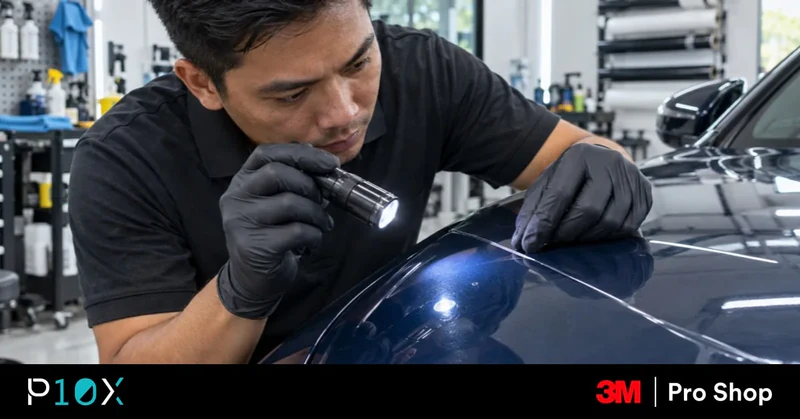
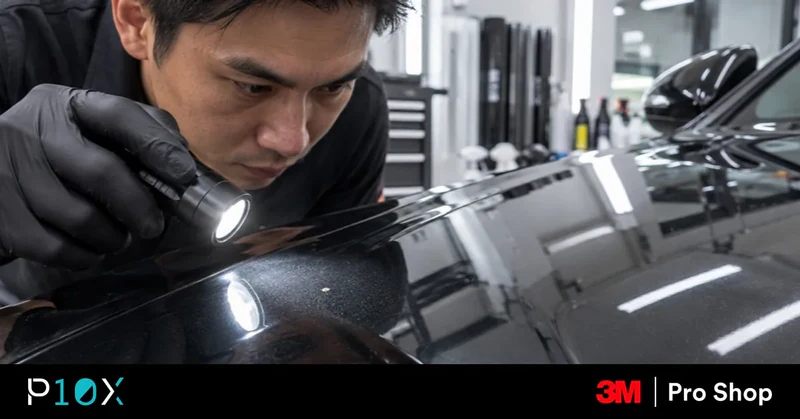
Clear PPF cannot repair existing paint damage. Before fitting it, have your X50's paint checked for existing marks, including chips, swirl marks and cloudy patches. Tell the installer about any resprayed panels and ask them to assess the paint's condition and how well it is bonded to the panel. For fresh paint, follow the paint supplier's curing guidance before considering film.
During the inspection, ask which marks can be corrected and which will remain. That helps you decide whether to go ahead, arrange paint work first or leave that panel out.
Before you book PPF for your X50
Before booking PPF for your Proton X50, compare written quotes for the same film on the same panels. Each should say how much of the bonnet is covered and which bumper is included. You can ask about the boot lip and rocker panels separately rather than assume they come with full front.
3M's care guide requires waiting 72 hours after installation before washing. Hand washing is preferred after that. An automatic wash should be touchless, because brushes may scratch the film or lift its edges. You can discuss your usual wash with the installer as part of PPF aftercare, before the first wash is due.
If a panel needs repair later, have the paint and film checked before removal. PPF removal can leave adhesive residue or lift paint, especially on resprayed panels or paint that is not well bonded. Professional removal does not guarantee an undamaged finish. You can ask the installer to explain the risks for each panel before work starts.
A 3M Authorized Dealer such as 3M Pro Shop by P10X can help you compare car packages with individual panels. Our outlet locations show where to find your nearest shop.
Find out the best protection for your car
Visit a 3M Pro Shop and discover the cost-effective 3M Protective Film and Window Tint
Frequently Asked Questions
Is PPF worth it for my X50?
PPF may be worth considering if you want to protect your X50's paint without covering the whole car. Where you drive and park, and how you use the boot, help you choose which panels to cover. You can compare quotes for those areas before choosing a larger package.
What does full front PPF cover?
Full front usually covers the bonnet, front bumper, front fenders, headlights and side mirrors, with door handles sometimes included. How far the film goes back along the bonnet can differ, so two full front quotes can be for different jobs.
Which 3M PPF series should I consider?
Series 150 is exceptionally clear and bends easily around difficult curves. Pro Series 200 comes in matte or gloss and is exceptionally resistant to stains. Series 50 Gloss provides basic paint protection. You can compare samples of the finishes, then discuss which film suits the panels you want to cover.
Can PPF stop every stone chip on the bonnet?
No. PPF absorbs and spreads the energy of small impacts to help stop stones reaching the paint. A large stone at speed can still get through, so the film cannot prevent every chip.
Can I put PPF over paint that already has chips?
PPF will not repair chips already in your paint. Discuss them during the inspection and arrange any work you want done to correct the paint before fitting the film.
When can I wash my car after PPF?
3M's care guide requires waiting 72 hours after installation before the first wash. Hand washing is preferred after that. If you need an automatic wash, it should be touchless, as brushes may scratch the film or lift its edges.
Can 3M PPF turn yellow in Malaysia?
3M PPF uses ultraviolet, or UV, inhibitors to help resist yellowing. That does not guarantee the film will never change colour. Yellowing is not covered by the warranty.
Should I choose full front or full body PPF?
Full front covers the panels that get hit at speed. Full body PPF usually adds everything from the front doors back, including the boot lip, rocker panels and rear bumper. Ask each shop to list exactly which panels its full body package includes. If you do not want full body, ask whether those three areas can be quoted as separate pieces.