✧ Key Takeaways
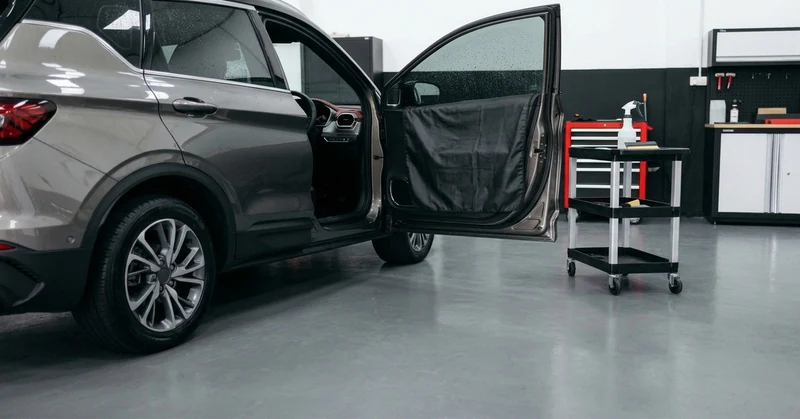
- Your windscreen and front door windows have different legal limits for the amount of visible light they must let through.
- Shade and heat rejection are different measurements, so compare both when choosing a film.
- Your rear door windows and rear windscreen do not have to use the same shade.
- If you have a Proton X50 Flagship, your quote should say whether it includes the panoramic roof.
- Film names and shade codes on the quote let you check that the job sheet lists what you agreed to.
Your Proton X50's windscreen must still let through at least 70 percent of visible light after tinting, and its front side windows at least 50 percent. Rear side windows and the rear windscreen have no minimum for a private vehicle, so you can choose those shades for the privacy and visibility you want. Within the 3M window tint range, compare shade and heat rejection separately using figures tested on the same glass.
Before collecting your X50, you may be comparing the dealer's tint with a quote from another installer. If you are also considering PPF for your Proton X50, your quote can list the paint protection and window tint separately.
JPJ tint limits depend on the window
Your Proton X50's windscreen must let at least 70 percent of visible light through, and the front side windows at least 50 percent. Rear side windows and the rear windscreen have no minimum for a private vehicle. Those different limits mean a rear window shade is not automatically suitable for the front.
Visible light transmission, shortened to VLT, describes how much visible light passes through the glass. A lower percentage means a darker view. When choosing car window tinting in Malaysia, compare shade and heat rejection separately: VLT tells you how dark the glass is, while heat rejection tells you how much solar energy it rejects.
The rule exists so that other road users and enforcement officers can see the driver.
For the two rear doors, the rear windscreen and, on a Proton X50 Flagship, the roof panel, you are free to choose the shade. At the front, the film and your car's glass need to meet the JPJ window tint limits together. A shade that looks similar on another X50 does not tell you whether yours will meet those limits.
Compare shade and heat rejection separately
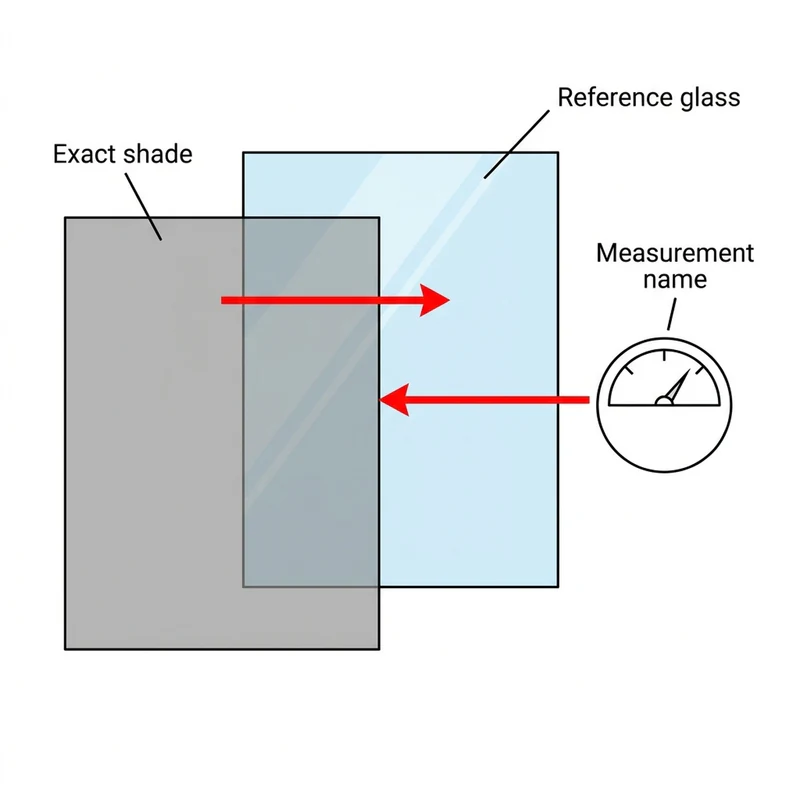
Visible light transmission, or VLT, tells you how much visible light passes through the glass and film. Total solar energy rejection, or TSER, tells you how much of the sun's energy that glass and film reject together in a test. A shade code is not a heat rejection rating.
All Crystalline Black figures below come from Table C of 3M's Crystalline Series Technical Data Sheet, Revision F, August 2025. They use 6 mm clear glass with 89 percent VLT before film is applied, tested in accordance with ANSI/NFRC 200. These are reference figures, not measurements from a Proton X50.
On that glass, CR BLK 70 has 43 percent TSER, CR BLK 50 has 52 percent and CR BLK 35 has 57 percent. In this comparison, the darker CR BLK 35 rejects more total solar energy than CR BLK 50. Infrared energy rejection figures are different measurements and cannot be used in place of TSER.
For your X50, compare the exact shades on the same test glass, then consider the view through each window. A specification sheet does not show how a shade will look on your car or guarantee that the finished front windows meet the legal VLT limits.
Which tint suits each X50 window?
You do not have to use the same shade on every window. Your windscreen and front door glass must meet the legal light limits, while the rear windows need to give you the privacy and view you want. If you have a Proton X50 Flagship, you can choose the panoramic roof film separately too.
Windscreen: check the light passing through glass and film
Your windscreen must let through at least 70 percent of visible light with the film fitted. On the clear test glass stated above, CR BLK 70 has 78 percent VLT and 43 percent TSER. Those figures do not establish the result on your X50. The installer needs to check the glass and film together rather than treat the shade code as proof of compliance.
Rear doors: privacy for your passengers
Rear door windows have no minimum light transmission requirement for a private vehicle, so you can consider a darker shade for privacy. CR BLK 35 has 40 percent VLT and 57 percent TSER on the clear test glass. How much someone outside can see still depends on the lighting and your car's glass; a shade cannot guarantee that the cabin is hidden.
Rear windscreen: the view behind you
You look through the rear windscreen when reversing or checking traffic behind you. CR BLK 35 is an option to discuss, not a promise of a clear view in every condition. You can compare samples from inside the car, including in low light, before choosing a darker rear shade.
Panoramic roof: choose its film separately
On a Proton X50 Flagship, the panoramic roof is the largest single piece of glass on the car, directly above your head. Choose film for that roof rather than assume the film used on the door windows will suit it too.
| Glass | JPJ minimum VLT | 3M option to discuss | Reference VLT | TSER | IRER | IRR |
| Front windscreen | 70 percent | CR BLK 70; confirm VLT on your car | 78 percent | 43 percent | 63 percent | 97 percent |
| Front side windows | 50 percent | CR BLK 50; confirm VLT on your car | 59 percent | 52 percent | 69 percent | 98 percent |
| Rear side windows | No minimum for a private vehicle | CR BLK 35; compare privacy and visibility | 40 percent | 57 percent | 69 percent | 98 percent |
| Rear windscreen | No minimum for a private vehicle | CR BLK 35; check your view in low light | 40 percent | 57 percent | 69 percent | 98 percent |
| Panoramic roof (Flagship) | Confirm applicable requirements with installer | Ask for a film suitable for roof glass and confirm the exact shade | Check its data sheet | Check its data sheet | Check its data sheet | Check its data sheet |
Crystalline Black VLT, TSER and IRER values in this table use the same clear glass and dated source stated above. IRR is measured on film with its liner and no glass. None of these figures establishes the result on your X50. Showroom reflections and photos cannot confirm compliance; the installer needs to check the light passing through your glass and film together.
Your X50 Flagship roof needs its own quote
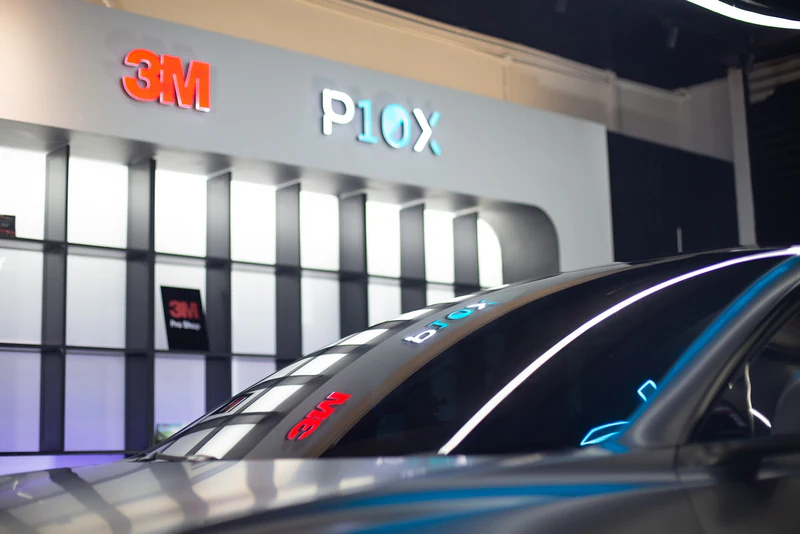
For the 2025 models, Proton X50 Flagship has a panoramic sunroof, while Proton X50 Executive and Proton X50 Premium do not. A quote for whole car tint may include the windows and roof, or just the windows. It needs to say whether the roof is included.
In the Proton X50 owners' group on Facebook, someone asked whether X50 owners need to tint the sunroof to stop the heat. On Lowyat, the same question keeps coming up in different words across X50 threads that run for hundreds of pages. PCauto also has an FAQ page about whether the X50 has a sunroof.
When discussing roof film, tell the installer where you feel sunlight, how you use the factory shade and whether you usually park outdoors or under cover. Those details help explain what you want to improve, rather than simply asking for the darkest film.
A factory sunshade sits beneath the roof glass and blocks direct light from reaching you. It does not stop sunlight reaching the glass above it. Comfort still depends on the weather, the roof glass, the shade and the air conditioning, so neither a dark shade nor a film specification promises a cool cabin.
Your quote can list the windscreen, front side windows, rear side windows and rear windscreen, with the roof on a separate line. That makes it clear what you are paying to tint, without having to guess what “whole car” means.
What to record before tinting your X50
Before tinting, your quote records the film you chose, while a handover record describes your car's condition. If you notice a mark later, you can use that record to check whether it was there before work began.
A pre-install handover checklist can record your film choices and the car's condition. Keep it with the quote and photos of the window seals, surrounding trim and dashboard. When you collect the car, you can compare those areas with the photos and check the fitted films against what you agreed to.
Tint quotations need more than a percentage
When comparing quotes to tint your X50, look for the film series and shade on each window. One shop may use different films on the rear doors and rear windscreen, or include glass that another leaves out. A light transmission percentage alone does not identify the film or tell you how much solar energy it rejects.
Front door tint: legal limits and heat rejection
CR BLK 50 has 52 percent TSER and 59 percent VLT on the clear test glass used here. It is not the highest TSER shade in that table. Your front door windows must still let through at least 50 percent of visible light after tinting. Have the installer check your glass and film together before confirming the shade; the reference VLT is not a reading from your X50.
What film was fitted to each window?
If your car already has tint, its installation records may help you check which film was fitted to each window. Its shade is not enough to identify it. A cabin that still feels hot after tinting does not tell you which film was fitted either.
Infrared figures are not total heat figures
TSER, IRER and IRR describe different measurements. TSER covers total solar energy. IRER covers infrared energy from 780 to 2,500 nm and accounts for energy absorbed by the glass and film that can be released into the car. IRR covers only 900 to 1,000 nm and is measured on film with its liner, without glass. In the dated clear glass table used here, CR BLK 50 has 52 percent TSER, 69 percent IRER and 98 percent IRR. A high infrared figure is not the share of all solar energy kept out by the finished window.
Crystalline Black, Ceramic IR or XP?
Crystalline Black, Ceramic IR and XP each offer several shades you could consider for your Proton X50. A series' highest advertised figure may belong to a different shade from the one on your quote. To compare films for a particular window, you need the figures for the exact shades offered, not just the best result from each range.
Crystalline Black uses multilayer optical film with ceramic nano technology and contains no metal coating. The dated clear glass figures above let you compare its listed shades without confusing TSER with an infrared rating. Its product information lists compatibility with mobile, GPS and satellite radio signals.
This reel introduces the newer Crystalline Black range.
Ceramic IR uses nano ceramic material and contains no metal. Its shades have their own performance figures and test conditions. You can ask for the exact shade's dated data sheet before comparing it with Crystalline Black, rather than compare the highest advertised figure from each range.
XP is another nano ceramic option to discuss for privacy and glare reduction. As with Ceramic IR, compare the exact shade and its stated test glass. A range's advertised maximum is not the result for every shade or every window on your X50.
Crystalline Black replaced the original Crystalline range here. An older quote for Crystalline may therefore refer to a different film.
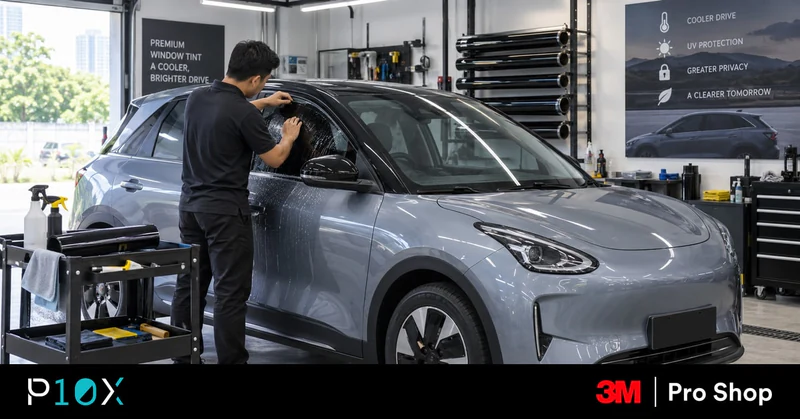
Shaping and fitting the film to your X50
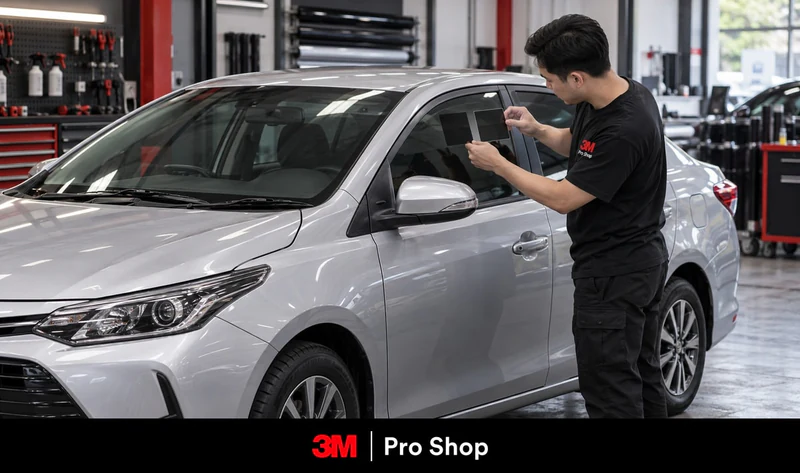
Before fitting film, installers clean the glass inside and out and protect the interior. If your X50 already has tint, you can agree with the shop whether it will be removed and have any removal cost included in the written quote.
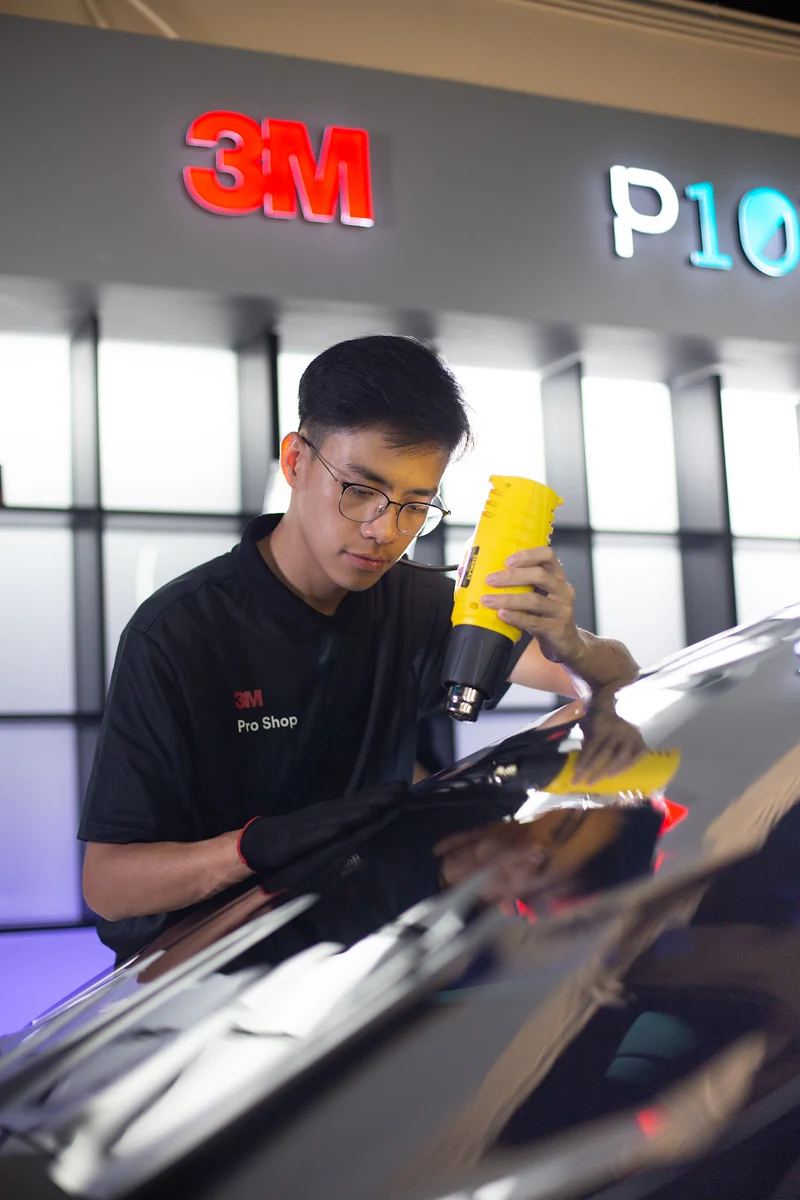
Installers shrink windscreen film with a heat gun so it follows the curve before fitting it. Skipping that step can leave excess film and a visible seam.
Your X50 can still get hot after parking
Your Proton X50 can still get hot in the sun after tinting. Film reduces solar energy entering through the glass, but it does not cool the cabin like air conditioning. After a working day parked outside, you should not expect a cool car when you open the door.
Seats and the dashboard may already be hot when you open the door. A film that rejects a stated percentage of solar energy does not promise the same percentage drop in cabin temperature.
Comfort after tinting also depends on the weather, your X50's glass, where and how long it has been parked, and the air conditioning. A film specification does not establish a cooling time or a measured reduction in air conditioning load for your car.
You cannot tell from a film's heat rejection figure whether your X50 will use less petrol on a journey, or how much you might save.
Before you book tinting for your X50
Before booking tinting for your Proton X50, compare the film series and shade each shop offers for the front windows, rear windows and any panoramic roof. Different prices may cover different films or different pieces of glass. The total alone does not tell you whether you are comparing the same work.
Before work starts, you can check that the job sheet lists the films you agreed to and sort out any differences with the shop. When collecting the car, keep the invoice, installation records and care instructions together. Those instructions should tell you how to clean the tint and when you can lower the windows.
Keep your invoice and 3M warranty registration, and check the applicable written terms with the authorised dealer. Do not assume the warranty transfers to a later owner when you sell the car. Yellowing is not covered on any 3M film. A verbal assurance at the counter does not change that exclusion.
Films contain ultraviolet inhibitors, ingredients designed to help them resist yellowing in Malaysian sunlight. That resistance is not a promise that the warranty will replace film if it turns yellow.
At 3M Pro Shop by P10X, we quote for each pane as standard. You can find the nearest outlet on the locations page.
Find out the best protection for your car
Visit a 3M Pro Shop and discover the cost-effective 3M Protective Film and Window Tint
Frequently Asked Questions
Which tint percentage suits my X50?
Your windscreen must let through at least 70 percent of visible light after tinting, and the front door windows at least 50 percent. Those are readings for the glass and film together, not shade codes. Rear side windows and the rear windscreen have no minimum for a private vehicle. You can consider CR BLK 35 for the rear, but compare privacy and the view through it in low light before choosing.
Which X50 variant has a sunroof?
For the 2025 models, Proton X50 Flagship has the panoramic sunroof, while Proton X50 Executive and Proton X50 Premium do not. If yours is from another model year, check that year's specification to see whether it has a sunroof.
Does darker tint always reject more heat?
No. Darkness alone is not a heat rejection rating. Compare TSER for the exact films on the same glass. In the August 2025 Revision F clear glass table used here, CR BLK 35 has 57 percent TSER, CR BLK 50 has 52 percent and CR BLK 70 has 43 percent. This example does not show a lighter shade outperforming a darker one, and none of these figures predicts your X50's cabin temperature.
What are the X50's legal tint limits?
For a private Proton X50 in Malaysia, the windscreen must let at least 70 percent of visible light through and the front side windows at least 50 percent. Rear side windows and the rear windscreen have no legal minimum. That means you do not have to match the rear shade to the front just to meet those limits.
Does my X50 sunroof need film?
For a Proton X50 Flagship, it is worth including roof film in the quote. Its roof is the largest single pane on the car and gets sunlight from almost directly overhead in the middle of the day. Although the factory shade blocks light from reaching you, it does not stop the glass above it from heating up.
What is the difference between TSER, IRER and IRR?
TSER measures total solar energy rejected by glass and film together. IRER measures infrared energy rejection across 780 to 2,500 nm, accounting for energy absorbed and released into the car. IRR measures only 900 to 1,000 nm on film with its liner and no glass. For CR BLK 50, the August 2025 Revision F clear glass table lists 52 percent TSER, 69 percent IRER and 98 percent IRR. These are different measurements, not interchangeable heat rejection figures.
Will the tint affect my phone or GPS reception?
Crystalline Black contains no metal. Its product information lists it as compatible with mobile, GPS and satellite radio signals. Other films offered for your X50 may differ, and this does not guarantee that every electronic device in the car will be unaffected.
How long does it take to tint my X50?
Allow most of a working day for the job, including shaping the film to fit the windscreen and letting it settle. Follow the installer's care instructions on when you can lower the windows. If a shop quotes an hour and a half for a full car, you can ask whether that includes shaping the windscreen film rather than judge the work by the time alone.