
Puspakom Asked Me to Peel My Tint: How to Pass Without Destroying Premium Film
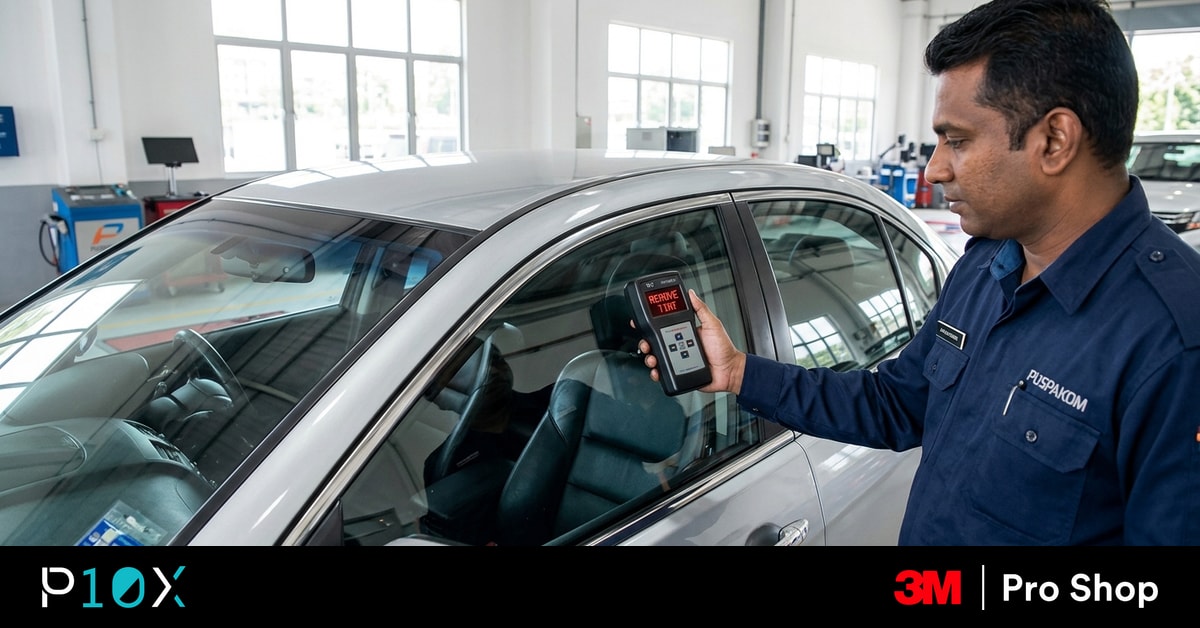
- Puspakom measures visible light on your glass, it does not automatically require tint removal.
- The front windscreen and front side windows are the practical problem, because the windscreen must read at least 70 percent, which is nearly clear.
- Runners often ask you to peel the front films to save time, so it helps to ask politely for a meter reading first.
- Premium films like 3M Crystalline and ceramic tend to peel cleanly, while cheap dyed film tears and leaves adhesive.
- If you must remove the front pair, plan a same-day re-tint so you drive away protected again.
If you are asking do I need to remove tint for Puspakom before an ownership transfer, the honest answer is that it depends on the inspection type and, in practice, on the runner handling your car. Puspakom checks visible light on your glass against the legal limits, not whether you have film at all. This guide explains what is actually inspected, when removal genuinely comes up, how to talk to the runner, and how to protect premium film if the front windows do need to come off.
For many owners this question only appears at a stressful moment, when a car is being bought or sold and the transfer paperwork is already in motion. That is exactly when a hurried decision at the inspection lane can cost you a set of premium film that was perfectly legal to begin with. A little preparation beforehand changes the whole experience.
The good news is that the rules are clearer than the lane chatter suggests, and most of the outcome is in your hands. Once you know what is measured and what is not, you can walk in calm, ask the right question, and keep compliant film on the car.
What Puspakom Actually Inspects on Your Glass
Puspakom measures the visible light transmission of your windscreen and windows against the legal limits, using a handheld meter pressed against the glass. It does not test for the presence of film, only whether enough light passes through, which is an important distinction. A clear, high-quality film that still lets plenty of light through is treated no differently from bare glass that reads the same number. Tinted glass is just one of several inspection items, alongside identification, brakes, lights, and bodywork checks during a transfer inspection.
This distinction matters more than most owners realise. The inspection is a pass or fail on a light reading, not a rule that all film must be stripped from the car. An ownership-transfer inspection costs around RM30 and covers many items in one visit. Because the test is purely about light, a film that keeps your windscreen and front sides within the limits can, in principle, pass without removal at all. The trouble usually starts not with the rule itself, but with how quickly a busy lane wants to move your car through.
When Tint Removal Is Really Required
Removal becomes an issue only in two situations: when a window genuinely cannot meet the light limit, or when a runner decides peeling is faster than testing. The first is a real rule, the second is a matter of habit and time pressure. The inspection types below are where owners most often hit the question, and each one behaves a little differently, so it helps to know which you are facing before you arrive.
Ownership transfer
The transfer inspection is the most common trigger, since the car must pass a full check before the new owner can be registered. If the windscreen and front sides meet the light limits, the film should not need to come off at all. The practical snag is that the front windscreen limit is very high, so any noticeably dark film across the front glass is likely to be a problem. A near-clear front film, on the other hand, often slips through without any issue.
Summons re-inspection
If you received a summons for illegal tint, the re-inspection exists specifically to confirm the glass now complies. Here a dark front film almost certainly has to be removed or replaced with a legal shade, because the entire purpose of the visit is proving the car now meets the limit. There is little room to negotiate in this case, so the sensible move is to fit a compliant front film before you go rather than peel at the lane.
Factory recall checks
A recall or technical inspection focuses on the specific recalled component, not your tint. In most cases the film is completely irrelevant to that check, so removal should not arise at all unless a window physically blocks access to something being inspected. If a runner raises tint during a recall visit, it is reasonable to ask how it relates to the component in question.

What the JPJ VLT Rules Say
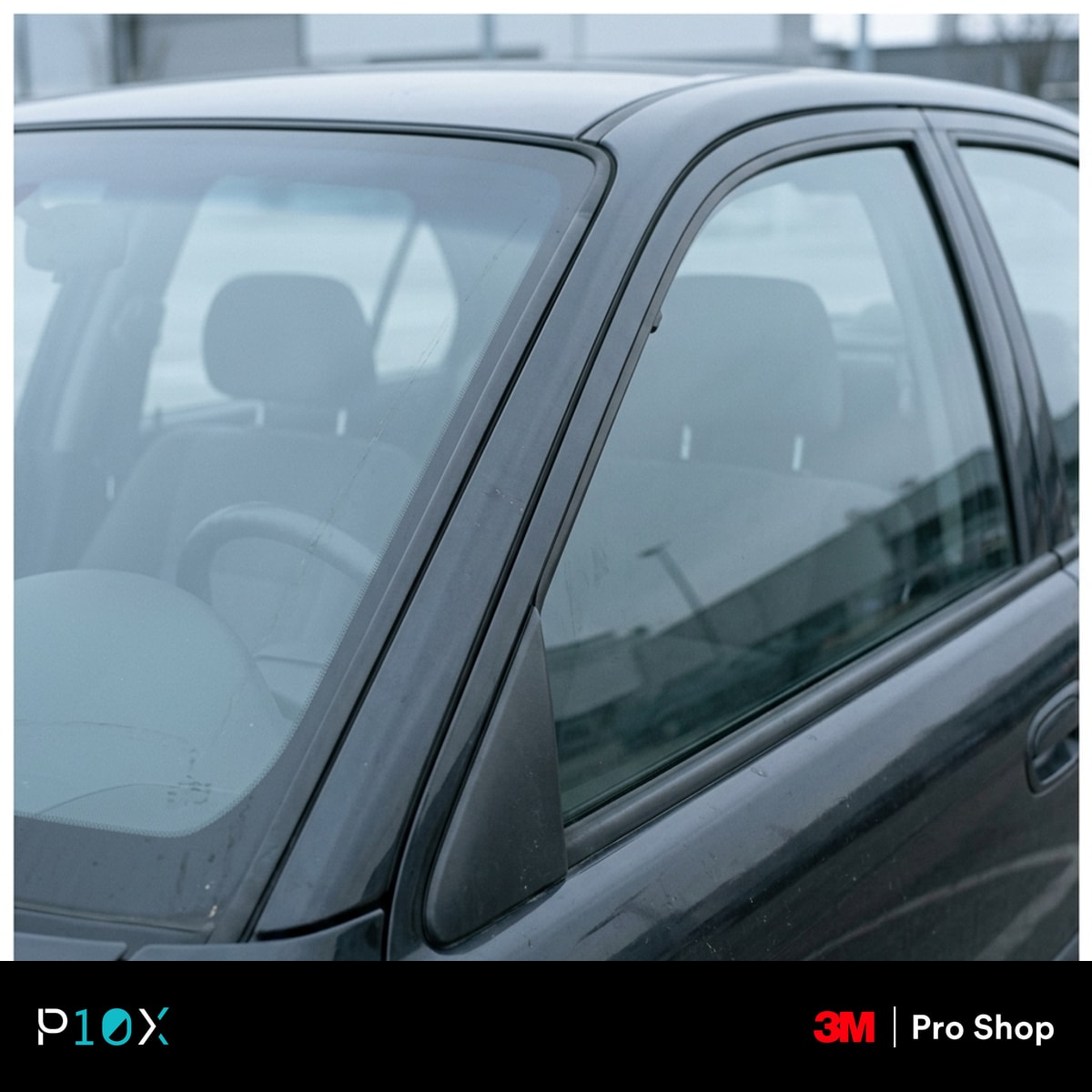
The rules are set by JPJ, and Puspakom simply tests your glass against them rather than inventing its own standard. Since 6 October 2023, the windscreen must allow at least 70 percent visible light through, and the front side windows at least 50 percent, while the rear windscreen and rear side windows are unrestricted and can be any shade. There is no separate Puspakom standard to satisfy, only these JPJ limits, which is why a film that is legal on the road is also a film that passes inspection.
This is exactly why the front matters and the rear does not. A 70 percent windscreen is almost clear to the eye, so most aftermarket front films will fail unless they are very light or marketed specifically as high-clarity films. The rear glass, by contrast, can be as dark as you like and is never the reason for a removal request. For the full breakdown of legal shades and how to read a VLT figure, see our JPJ-compliant window tint guide.
How to Talk to the Puspakom Runner
A calm, polite request can save your film more often than owners expect. Many runners default to peeling the front windows simply because it is quick and avoids the risk of a failed test on their watch. If your front film is light and likely compliant, it is perfectly reasonable to ask them to take a meter reading first before removing anything. The key is to frame it as a friendly question rather than a demand, and to raise it early before any blade touches the glass.
A simple thing you can say:
Boss, before we remove anything, can we take the VLT meter reading on the windscreen and front windows first. If it passes the limit, we keep the film. If not, then we remove. Boleh?
Keep in mind this is a request, not a guaranteed right, and practice does vary between branches and individual runners. If the reading genuinely fails the limit, removal of the front pair is the realistic path to passing, and there is no point arguing with a number on the meter. Being early, friendly, and clear gives you the best chance of keeping compliant film on the car, and it costs you nothing to try.
Which Films Peel Cleanly and Which Tear
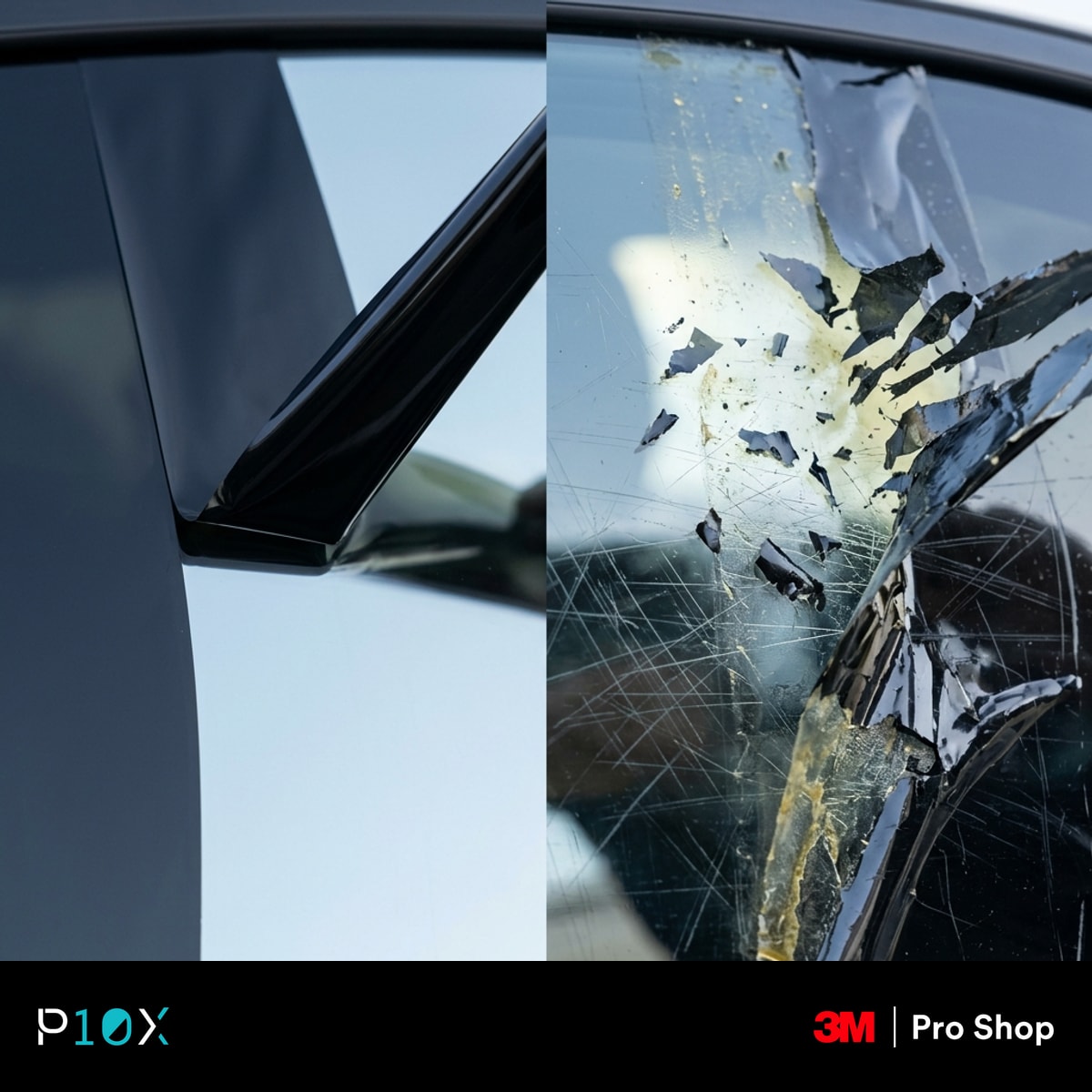
The film type decides how painful removal actually is. Quality films such as 3M Crystalline Black and ceramic films are built on stable, durable layers, so they tend to come off in large pieces with minimal adhesive residue left behind. Cheap dyed and old metallised films, by contrast, tend to grow brittle with age and tear into small strips, leaving glue stuck to the glass that is slow and messy to scrape clean.
This becomes a real cost difference at transfer time. If your car is heading for an ownership transfer, premium film is both easier and cheaper to remove and re-fit cleanly, often in a single visit. Poor film can leave haze, scratches, and stubborn adhesive that needs extra labour to clear before anything new can go on, which is one more reason quality film pays off over the life of the car. We cover this in our why 3M window tinting overview and in our look at whether cheap car tint is worth it.
The Same-Day Re-Tint Plan
If the front windows must come off, plan to re-tint the same day so you are not driving in the Malaysian heat and glare with bare front glass. Often only the front pair and the windscreen strip are affected, since the rear is unrestricted and can stay exactly as it is. Booking a re-tint slot right after your inspection keeps the gap short and means you drive away protected again rather than exposed for days while you find time to return.

A practical sequence is to book your inspection in the morning, then head straight to an installer for a fresh legal front film afterward while the day is still young. A 3M Authorized Dealer such as 3M Pro Shop by P10X can re-fit the front windows with a compliant film and proper documentation, and you can plan the visit using our car window tint installation guide. To make sure the replacement is fitted well and free of bubbles, our guide on how to avoid a bad tint job is worth a read first. Keep the rest of the car exactly as it is and only redo what actually had to be removed.
Cheap Film Versus Premium Over One Ownership
Over a typical ownership, premium film usually works out better by the time you reach transfer. Cheap dyed film that tears on removal often forces a full strip and clean of every window, followed by a complete re-tint that you pay for from scratch. Premium film that peels cleanly may only need the front pair redone, which is faster, cheaper, and far less wasteful.
There is also the years of comfort, heat rejection, and UV protection you enjoy in between, which cheap film simply cannot match. As a cost reference, standard 3M packages with a 5-year e-warranty run about RM1,600 for XP, RM2,700 for Ceramic IR, and RM3,800 for Crystalline Black, with the full breakdown in our 3M window tint price in Malaysia guide. Spread across several years of ownership, clean removal at transfer time is simply one more point on a long list in favour of quality film.
Passing Puspakom With Your Film Intact
The Puspakom question really comes down to light readings and good preparation, not luck at the lane. Know that only the windscreen and front sides face strict limits, ask politely for a meter reading before anyone peels film, choose film that removes cleanly when the day comes, and plan a same-day re-tint if the front pair must come off. Together those four habits protect both your compliance and your wallet.
If you are buying or selling a car soon, the smartest move is to sort the front shade before the inspection rather than gambling on a decision at the lane. A compliant, quality front film fitted ahead of time is the simplest way to walk through a transfer inspection without losing your tint, your time, or your money. A few minutes of planning turns a stressful unknown into a routine pass.
Find out the best protection for your car
Visit a 3M Pro Shop and discover the cost-effective 3M Protective Film and Window Tint
Frequently Asked Questions
Do I need to remove my tint for Puspakom?
Not automatically. Puspakom measures visible light, so if your windscreen and front sides meet the limits, the film can stay. Removal usually comes up only when the front film is too dark or a runner peels it to save time.
Will tinted windows fail Puspakom inspection?
Only if the windscreen or front side windows let through less light than the legal limit. A light, compliant front film and any rear shade should pass, since the rear windows are unrestricted.
Does Puspakom tear your tint?
Puspakom itself tests light levels, but runners sometimes peel the front films to avoid a failed reading. Asking for a meter reading first can save compliant film, though whether they agree varies by branch and runner.
Can I keep my tint if it is JPJ-compliant?
In principle yes, because the inspection is a light-level test. A front film that meets at least 70 percent on the windscreen and 50 percent on the front sides should pass, and the rear can stay any shade.
How much does ownership-transfer inspection cost?
A transfer-of-ownership inspection costs around RM30 and covers many items, including a visible-light check on the glass. Any re-tint to replace removed front film is a separate cost at your installer.
Which windows need the tint removed?
When removal is needed, it is the front windscreen and the front side windows, because those carry the strict light limits. The rear windscreen and rear side windows are unrestricted, so they are not the problem.
Can I re-tint my car right after passing Puspakom?
Yes. Once the inspection is done you are free to fit a legal front film straight away, and many owners book a re-tint slot for the same afternoon. Keep the new front shade within the limits so the car stays compliant on the road.
How dark can my rear windows be in Malaysia?
The rear windscreen and rear side windows are unrestricted under the JPJ rules, so they can be as dark as you like. Only the windscreen and front side windows must meet the 70 percent and 50 percent limits.
Author

Fabian
He is passionate about revolutionizing the car protection services industry by bringing innovation and transparency to a traditionally opaque and often misunderstood field. His mission is to educate end users on the true benefits and importance of car protection, aiming to replace outdated practices with honest, customer-focused solutions. With a fresh approach to car tinting, paint protection film (PPF), and detailing services, he is committed to delivering a superior customer experience that sets a new standard in the market. He welcomes discussions about the future of the automotive industry and is eager to connect with like-minded professionals who share his vision for innovation, integrity, and excellence.
Experience the future of window tinting
Visit a 3M Pro Shop and discover the revolutionary Crystalline CR BLK film