
Redoing PPF in Malaysia: how to inspect old film and avoid repeat mistakes
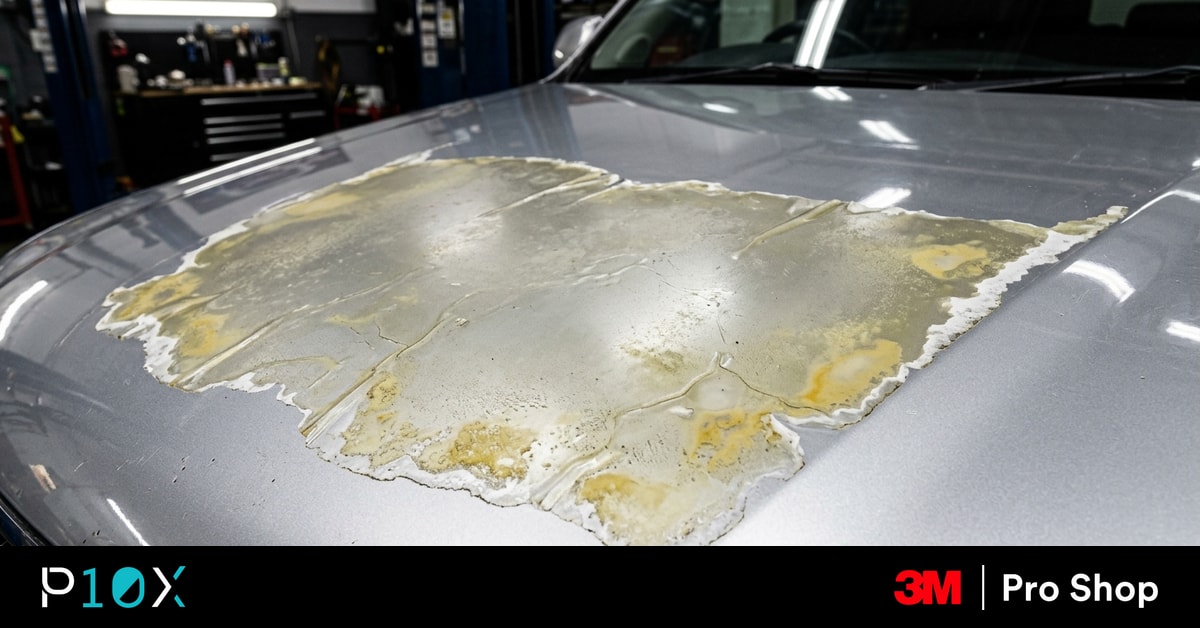
- A redo of PPF in Malaysia is usually triggered by a bad first install, not by 3M film failing.
- You can inspect your existing PPF in 10 minutes using a daylight walk-around, a fingernail edge check, and a warm-water adhesive test.
- Done properly with controlled heat and a slow peel, PPF removal is generally safe for factory clear coat.
- Full-car 3M PPF packages range from around RM 11,000 to RM 24,000 across Series 50, 100, and 150.
- A 3M Authorized Dealer protects your E-Warranty and gives you a controlled bay to avoid a second redo.
If you are thinking about a redo of your car's PPF in Malaysia, the first job is not to call an installer. It is to inspect the film already on your bonnet. Most owners we see in the Klang Valley are 1 to 3 years into ownership, with lifted edges, bubbling along the bumper, or a peeling strip on the side mirror. They want to fix it. The question is whether to redo the whole film, patch only the bad panels, or leave it alone for now. This guide walks you through that decision in plain language, so you can talk to your next installer with confidence and avoid spending RM 15,000 or more on the wrong thing. For wider context on the product itself, you may also want to read this complete guide to 3M Paint Protection Film in Malaysia.
What "Redo PPF" Actually Means for Malaysian Cars
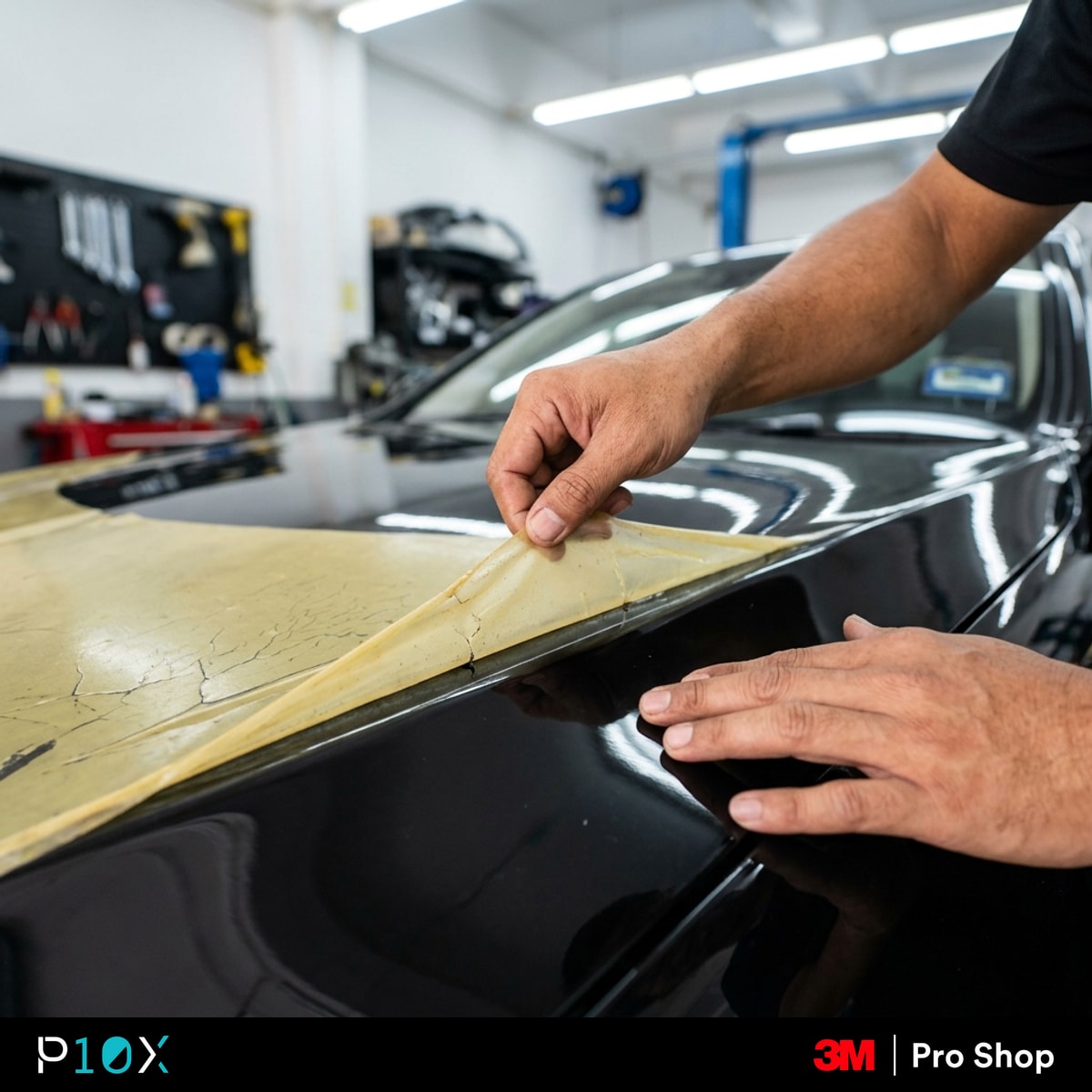
Why Malaysian Drivers Redo PPF Within 1 to 3 Years
The number one reason for a redo is a bad first installation, not the film itself. Premium 3M PPF is engineered to last well beyond 3 to 5 years. When it fails early, the cause almost always traces back to one of these issues:
- Cheap non-branded film sold as "premium" at the showroom delivery centre.
- A non-authorised installer who is not 3M-trained.
- A dusty workshop or installation under direct afternoon sun.
- No proper paint correction before the film went on.
- Poor squeegee technique that left air pockets and water bubbles.
- Edges that were not properly wrapped, so heat and water creep under the film.
- Adhesive that was chosen for cold-climate markets and never bonded correctly in Malaysian heat and humidity.
All three 3M PPF series sold in Malaysia (Series 150, 100, and 50) are designed to be installed by trained technicians at a 3M Authorized Dealer. The 3M E-Warranty is only valid when the film is installed by an authorised installer.
How to Inspect Your Existing PPF in 10 Minutes
Before you book any workshop, do this 10-minute inspection in your own carpark. It costs nothing and tells you whether you need a full redo, a partial redo, or just better aftercare.
Stage 1: Walk Around in Daylight
Park the car outside in indirect daylight, not under fluorescent basement lights. Walk slowly around the car and look for:
- Dull, chalky patches on the film, especially on the bonnet and bumper edges.
- An orange-peel texture on panels that used to look glass-smooth.
- Swirl marks or scratches visible through the film, which means the paint underneath was not corrected before install.
- Dirt streaks or brown lines following the cut edges of the film.
Stage 2: Run a Fingernail Along Every Edge
Gently drag your fingernail along every cut line of the film. You are feeling for:
- Lifted edges that catch your nail.
- Glue squeeze-out that feels gritty or sticky.
- Bubbling that has not flattened after the first 30 days.
- A rough or chalky feel where the film should be glass-smooth.
Stage 3: Test a Hidden Corner with Warm Water
Pick a small, low-visibility corner (inside a door edge or the underside of the bumper). Wet it with warm soapy water for 2 minutes, then gently lift the edge. You are checking for:
- Whether the film releases cleanly or tears.
- Whether the adhesive leaves a sticky brown residue or comes off in one sheet.
- Whether the clear coat underneath looks normal or feels rough.
If the film tears or the adhesive leaves heavy residue, the film is past its safe-removal age. Book a workshop with steamer-grade removal equipment. Do not try to peel further yourself.
5 Signs You Should Redo PPF Now, Not Later
If your inspection turns up any of these five signs, a redo is the right call. Each one points to film that is past spot repair.
- Dull, chalky patches across visible panels. A redo is needed across the affected panels. Spot patching shows up as a clean square against the tired film around it, so the repair reads worse than the problem.
- Edge lifting on the bonnet or bumper. Once the film releases at the edge, dust and water get under it. Spot repair at the edge rarely holds.
- Bubbling that has not cleared after 30 days. Trapped moisture or installation air pockets that did not migrate out are now permanent. The film must come off.
- Cracks after a stone hit instead of self-healing. This points to old or non-3M film that has lost its top-coat elasticity. Replacement is the only fix.
- Cloudiness that does not clear in 30 days. Fresh PPF can look milky for the first 2 to 4 weeks as the adhesive cures. If it is still cloudy past 30 days, the film is failing.
Will PPF Removal Damage Your Car's Paint?
In most cases, no. Factory clear coat on a stock Malaysian-spec car is generally safe if removal is done with controlled heat and a slow peel. The film is designed to release cleanly when treated correctly. Risk increases only when the panel has been repainted (aftermarket paint is softer and bonds differently), the film is well past its warranty age, the technician uses a cold-pull method, or the original adhesive is an old solvent-based formula.
In the Klang Valley, the main danger is shortcut removal in a roadside lot. Direct afternoon sun heats panels unevenly. Adhesive softens too fast in one spot and stays cold in another, which leads to peeling that tears off paint at the boundary. A proper bay with a steamer or a controlled heat gun, plus an automotive-grade adhesive remover, is non-negotiable. For more on why install quality matters from the start, read this guide on certified 3M Pro Shop installers in Malaysia.

Step-by-Step Safe Removal Process Installers Should Follow
You do not need to do this yourself. You do need to know what good looks like, so you can audit the workshop before they touch your car. A safe removal follows six steps.
Step 1: Wash and Decontaminate the Car
The car goes through a full hand wash and clay-bar decontamination first. Any grit on the panel will scratch the paint as the film comes off.
Step 2: Soften the Adhesive with Controlled Heat
A heat gun or steamer brings the panel to roughly 38 to 50 degrees Celsius. The technician moves the heat across the panel evenly. No direct flame, no industrial blow torch.
Step 3: Peel at a Low Angle, Slowly
The film is lifted at less than a 45 degree angle and pulled slowly in one continuous motion where possible. Fast or steep peeling pulls clear coat with it.
Step 4: Remove Adhesive Residue Cleanly
Automotive-grade adhesive remover is sprayed on. Not household solvents. Not petrol. The residue is wiped off with microfibre, never scrubbed with scouring pads.
Step 5: Inspect and Correct the Paint Underneath
The paint is inspected for swirl marks, light scratches, and stone chips. Light correction or machine polishing is done before any new film goes on. Skipping this step means the old swirl marks are locked in forever under the new PPF.
Step 6: Re-prep the Panel for New PPF
The panel is washed again, IPA-wiped to remove any oils, and left to fully dry. The new film goes on in a clean bay, not next to the workshop's open roller shutter.

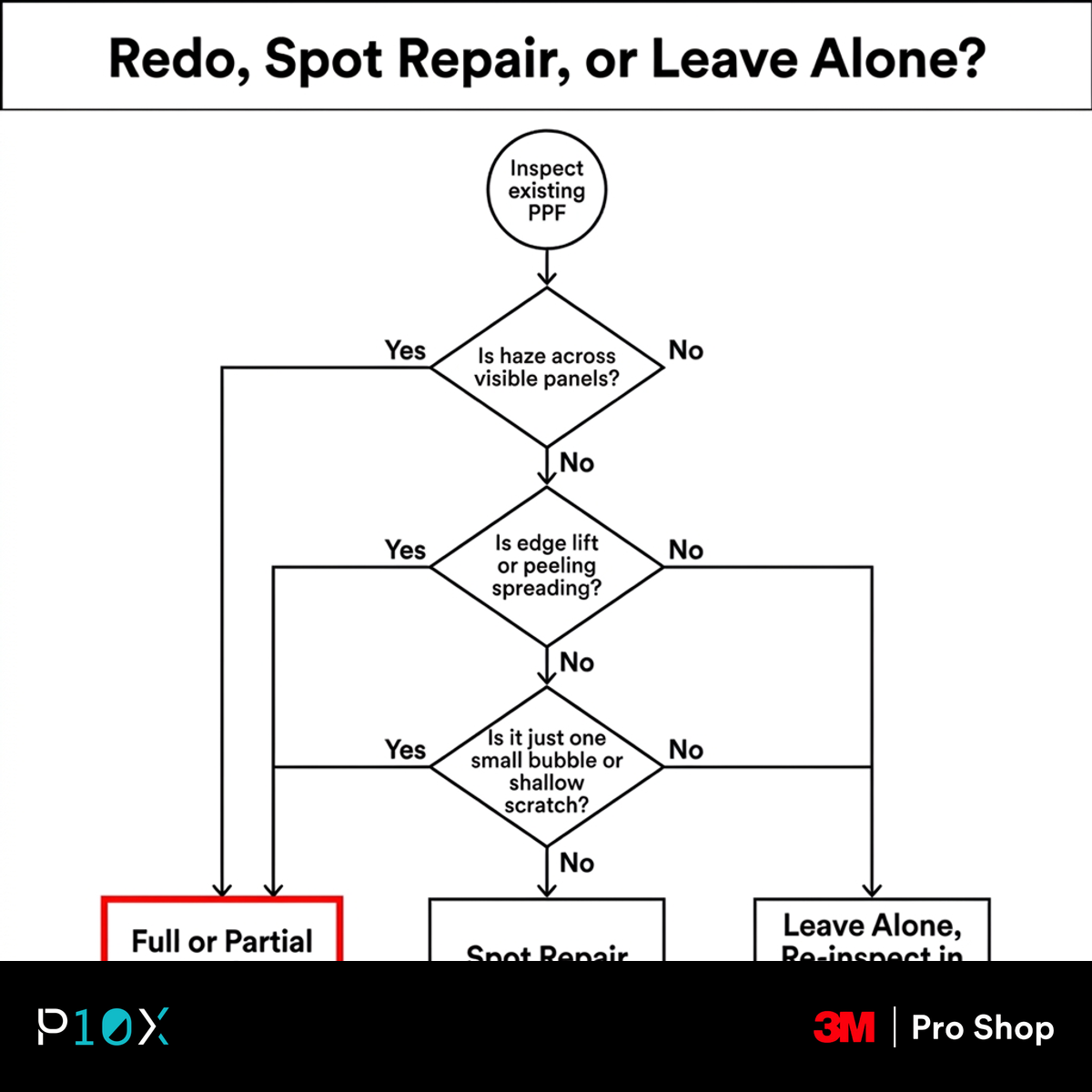
Redo vs Spot Repair vs Leave It Alone
Use the table below to match what you saw during inspection to the right action. This is the single most useful framework for deciding where your money should go.
| Symptom | Spot Repair OK? | Redo Recommended? | Why |
|---|---|---|---|
| Dull or chalky patches on visible panels | No | Yes | Patch will be visible against the degraded film around it. |
| Edge lifting on bonnet or bumper | Sometimes | Yes, if widespread | Lifted edges let water and dust in. New install needed once it spreads. |
| Single small bubble under 5mm | Yes | No | Can be lanced and re-pressed by a skilled installer. |
| Crack after stone hit | No | Yes | Cracked film has lost self-healing. Adjacent area may also be compromised. |
| Deep scratch through the film | Sometimes | Yes, for whole panel | Single panel re-wrap is often cleaner than a patch. |
| Wide peeling across a panel | No | Yes | Adhesive has failed across the panel. |
| Permanent haze older than 30 days | No | Yes | Top coat is failing. Film must come off. |
| Dirt contamination under film | No | Yes | Cannot be removed without lifting the film. |
If most of your panels still pass the inspection and only one or two have problems, a partial redo on the failing panels is usually the right answer. For a broader view on whether the spend is worth it, read this guide on whether PPF is worth the investment for Malaysian car owners.
6 Mistakes Malaysian Owners Make When Redoing PPF
A redo is also a fresh chance to upgrade your install quality. Avoid these six common mistakes.
Mistake 1: Going Back to the Same Cheap Installer
If the first install failed in 18 months, going back for free patching does not solve the root cause. Move to a 3M Authorized Dealer with batch-traceable film.
Mistake 2: Skipping Paint Correction Before Reinstall
The whole point of removing old film is to clean and correct the paint. If the new film goes on over swirl marks, those swirls are locked in forever under the new gloss.
Mistake 3: Choosing Film by Price, Not Warranty
A film that is cheaper on paper but has no warranty card is not a saving. Compare the brochure warranty, the authorised-installer requirement, and what is actually covered.
Mistake 4: Booking the Job on a Hot Afternoon
PPF should be installed in a controlled bay, not under a hot afternoon sun. Heat affects how the adhesive flows and how the film stretches. Morning slots in a covered bay give the best result.
Mistake 5: Driving in Heavy Rain Within 48 Hours
Fresh PPF needs at least 48 to 72 hours for the adhesive to cure properly. Driving straight into a monsoon downpour after installation can lift the edges before the bond sets.
Mistake 6: Losing the Original Warranty Card
Keep the warranty card and batch number for the new film. Without it, you have no claim if the new film fails too.
How Much Does It Cost to Redo PPF in Malaysia?
The cost of a redo has two parts. First, removal labour, which most workshops quote separately. Removal is priced per panel and depends on the age and condition of the existing film. Ask the new installer for a quote rather than assuming a fixed figure.
Second, the new PPF install. Based on 3M Pro Shop pricing in Malaysia:
- Full-car packages
- 3M PPF Series 150 Gloss: around RM 19,000 to RM 24,000
- 3M PPF Series 100 Gloss: around RM 15,000 to RM 19,000
- 3M PPF Series 50 Gloss: around RM 11,000 to RM 15,500
- Ala carte (medium vehicle)
- Full bonnet: RM 1,250 (Series 50), RM 1,650 (Series 100), or RM 2,050 (Series 150)
- Bumper: around RM 2,250 across all series
- Headlights: around RM 500 to RM 600
- Side mirrors: around RM 350
- Door cups: around RM 130
Final pricing varies by branch and vehicle size. For an authorised quote, visit a 3M Authorized Dealer such as 3M Pro Shop by P10X, with outlets in Taman Equine, Kepong, and Bandar Sunway.
Choosing the Right 3M PPF for Your Re-Install
A redo is the right moment to step up film grade if your old film was the budget tier. The current 3M PPF range in Malaysia covers three options.
- 3M PPF Series 150 Gloss is the premium tier. Around 8 mil thick, hydrophobic, with the lowest orange peel and the highest stain resistance. Best for owners who park outdoors often or drive daily on highways.
- 3M PPF Series 100 Gloss is the balanced choice. Around 7.5 mil thick, with strong stone-chip protection and a stretchable construction that wraps tighter contours.
- 3M PPF Series 50 Gloss is the entry tier. A 185 micron film with the core invisible-armour benefit, covered against bubbling and cracking.
All three use self-healing technology that activates with heat. For a side-by-side breakdown of the three series, read this article on choosing the right 3M PPF series.
Why a 3M Authorized Dealer Makes a Redo Worth It
A redo is not just a film change. It is a chance to fix the install quality that caused the failure in the first place. At a 3M Authorized Dealer, the redo includes:
- 3M E-Warranty validity. The 3M PPF warranty is only honoured when the film is installed by 3M Authorized Installers. A redo at a non-authorised shop kills warranty eligibility for the new film too.
- Batch-traceable film. Every roll has a verifiable batch code. You know you are getting genuine 3M PPF.
- Climate-controlled installation bay. No dust, no direct sun, no monsoon humidity creeping through an open shutter.
- Certified technicians. Technicians are trained at accredited centres such as P10X Academy, Malaysia's first JPK-accredited Automotive Aesthetics TVET centre.
- Three active outlets in Klang Valley. Taman Equine, Kepong, and Bandar Sunway. See the 3M Pro Shop by P10X locations page for the full list.
Aftercare to Stop Yourself Redoing PPF Again
Once the new film is on, simple aftercare keeps it clear and tight for the full warranty period. The rules are short.
- Wait 72 hours before the first wash so the adhesive can fully cure.
- Hand wash whenever possible. Avoid automated brush washes that drag against the edges.
- Skip roadside touchless car washes that use high-pressure jets near the cut lines.
- Park in shade or a basement bay when possible. UV exposure is the slowest, steadiest cause of film aging in Malaysia.
- Soften tree sap, bird droppings, and bug splatter with warm soapy water. Do not scrape with abrasives.
- Inspect the film every 6 months using the same three-stage check above.
For the full routine, read this guide on proper PPF aftercare in Malaysia.
The Bottom Line on Redoing PPF in Malaysia
A redo of PPF in Malaysia is rarely about chasing a newer film. It is about correcting a bad first install before the damage spreads to the paint underneath. Do the 10-minute inspection first. If the signs point to a redo, scope it tightly. Front-end panels often need the work. The rear panels may still be fine. Choose the film tier that matches how you drive, and book the job at a 3M Authorized Dealer so the warranty actually means something. The next step is simple. Photograph what you found during the inspection, then take it to a workshop and ask them to walk you through their removal process. If the answer is steamer, slow peel, and full paint correction before reinstall, you are at the right place.
Find out the best protection for your car
Visit a 3M Pro Shop and discover the cost-effective 3M Protective Film and Window Tint
Frequently Asked Questions
Does PPF damage paint when removed?
When PPF is removed correctly with controlled heat and a slow peel, factory clear coat is generally safe. Damage usually happens only when the film is yanked off cold, the panel has been repainted, or the film is well past its warranty age.
Can PPF be reapplied after removal?
Yes. After the old film comes off, the workshop cleans and corrects the paint, then installs new PPF on the same panels. Most redos in Malaysia replace film on the front-end panels first.
How long should PPF last in Malaysia's climate?
3M PPF sold in Malaysia is covered against bubbling and cracking when it is installed by an authorised dealer, and Series 150 is built to outlast Series 100 and Series 50. With a proper install and consistent aftercare, owners routinely get years of clear, tight film in Klang Valley conditions. Early failure usually points to install quality or non-3M film rather than the product itself.
How long does it take to redo PPF on a car?
A full-car redo typically takes 3 to 5 working days. Removal of the old film is around 1 day. Paint correction and re-prep take another 1 day. The new install takes 2 to 3 days depending on panel coverage and vehicle size.
Can I redo only the bonnet and bumper instead of the whole car?
Yes. Partial redos are common, especially when the rear panels are still in good condition. The bonnet, bumper, fenders, and side mirrors take the hardest stone-chip exposure on KL highways, so they are often the first to need a refresh.
Will my 3M PPF warranty transfer if I move to a different installer?
The new warranty is tied to the new install. You need a fresh warranty card from the new authorised dealer for the new film. The previous warranty is closed when the original film is removed.
Is it worth redoing PPF on a 5-year-old car?
If you plan to keep the car for another 3 years or more, a redo on the front-end panels usually pays back in paint preservation and resale value. For older cars near disposal age, a partial redo limited to the bonnet and bumper is often enough.
Author

Varakorn
My mission is to bring transparency, genuine innovation, and education to a field that desperately needs it. Whether it’s window tinting, paint protection film (PPF), or detailing, I believe in delivering premium results wrapped in an honest, customer-first experience.
Experience the future of window tinting
Visit a 3M Pro Shop and discover the revolutionary Crystalline CR BLK film