
Why Is My PPF Not Self-Healing? Causes and Next Steps
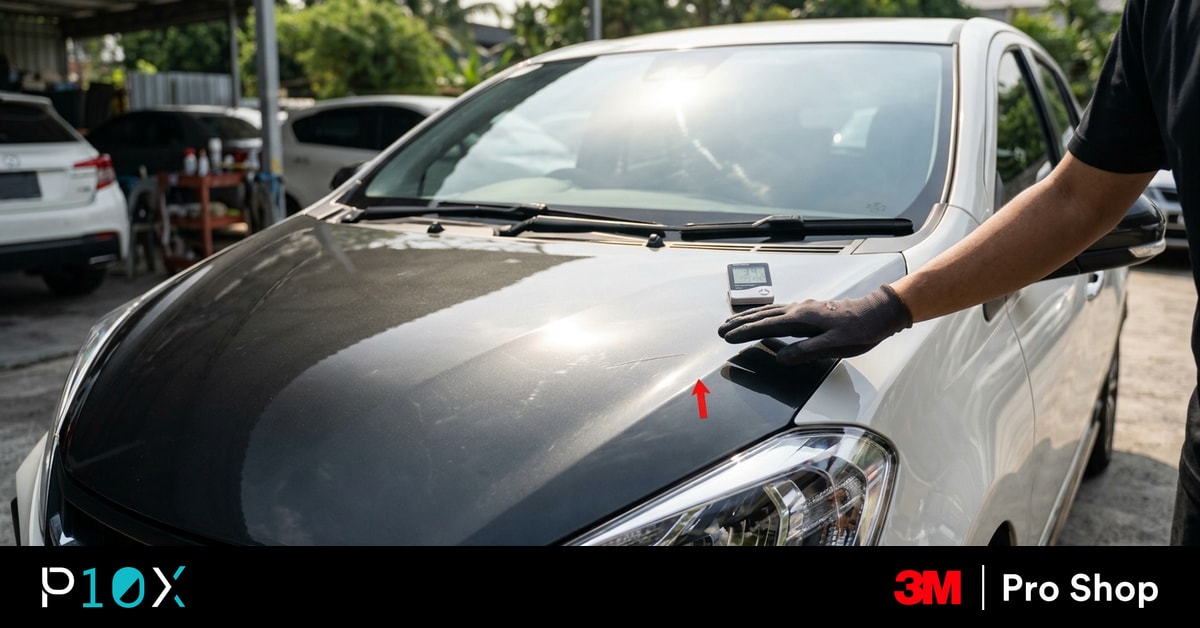
- Self-healing applies only to minor surface scratches in the film's top coat.
- Dirt, paint transfer, water spots, scratch depth, and film condition can make a mark remain visible.
- Use only gentle, product-approved warmth after cleaning the area.
- Do not use aggressive DIY heat, boiling water, abrasives, glue, or cutting tools.
- A deep cut, puncture, lifted edge, or distorted area needs professional inspection.
PPF not self-healing can be frustrating, especially when a mark remains after your car has sat in the Malaysian sun. The first step is not to add more heat. It is to identify whether you are looking at a shallow top-coat scratch, transferred material, contamination, or damage through the film.
A clear diagnosis helps you avoid turning a small issue into a larger one. Start with 3M PPF aftercare in Malaysia, then use the checks below to decide whether gentle care is enough or a 3M Authorized Dealer should inspect the panel.
What Stops Minor PPF Scratches From Healing?
Minor PPF scratches may remain visible when the mark is deeper than the self-healing top coat, the surface is dirty or stained, the film has not received enough gentle warmth, or the film is aged or physically damaged. Self-healing smooths shallow surface disruption. It cannot rebuild film that has been cut or removed.
The clear top coat is designed to relax very fine wash swirls and micro-marring. A mark from a mall pillar, highway stone, key, or sharp object can pass through that layer and damage the thermoplastic polyurethane, also called TPU, beneath it. Heat cannot replace missing material.
The mark may not be a scratch at all. Rubber, paint transfer, road tar, mineral deposits, and monsoon water spots can sit on the surface and look like a groove under certain light. Clean first using how to clean and maintain PPF safely, because heating contamination is not a useful first step.
Film age, chemical exposure, stretched areas, and high-tension curves can also change how a surface responds. Malaysian heat helps only when the damage is minor and the film remains healthy.
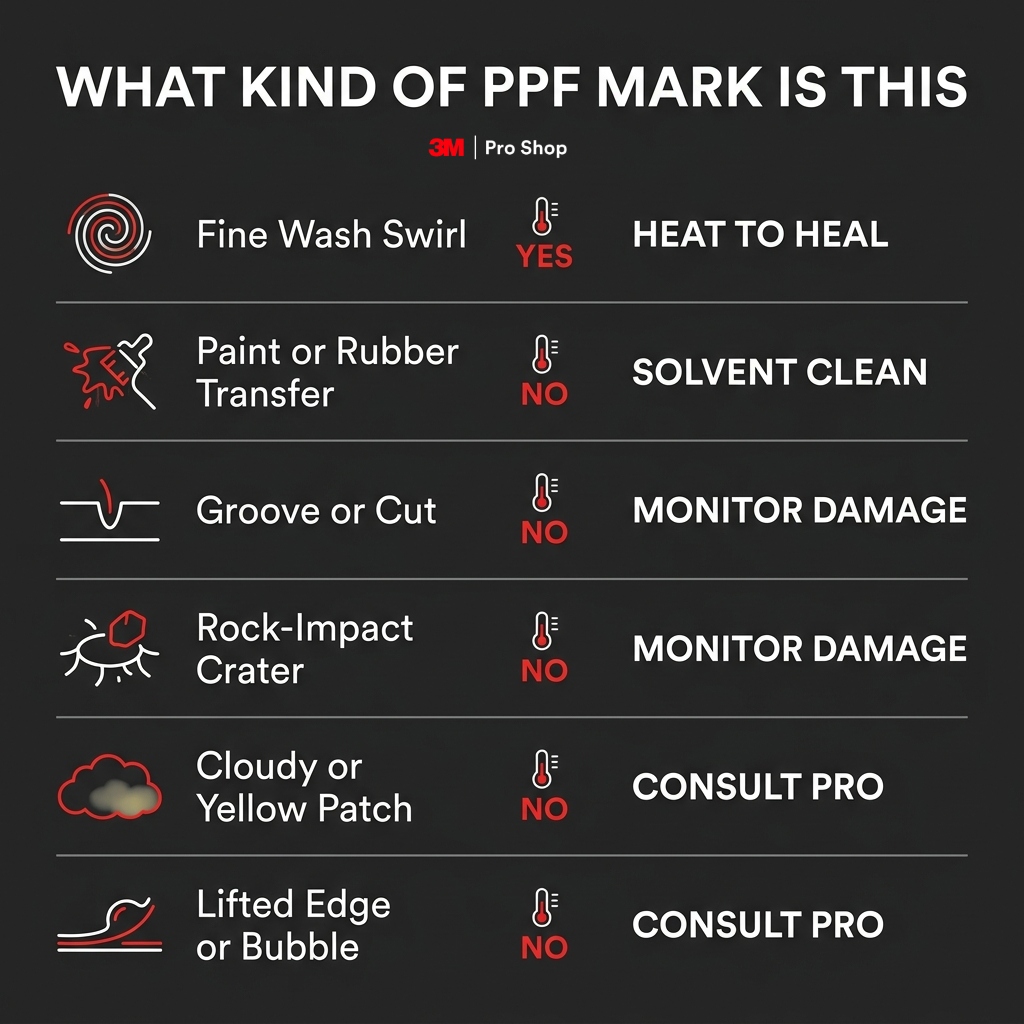
| Mark seen | Likely type | Can heat help? | Safe next step |
|---|---|---|---|
| Fine wash swirl | Surface mark | Possibly | Clean, use gentle approved warmth, then observe |
| Paint or rubber transfer | Residue | Not as a first step | Use PPF-safe cleaning or ask an installer |
| Visible groove or cut | Structural film damage | No | Arrange an installer inspection |
| Rock-impact crater or puncture | Impact damage | No | Assess the film and paint beneath |
| Cloudy or yellow patch | Ageing, chemical, or contamination issue | No | Get the cause diagnosed |
| Lifted edge or bubble | Adhesion or installation issue | No | Stop touching it and arrange inspection |
How Does Heat Activate Surface-Level Recovery?
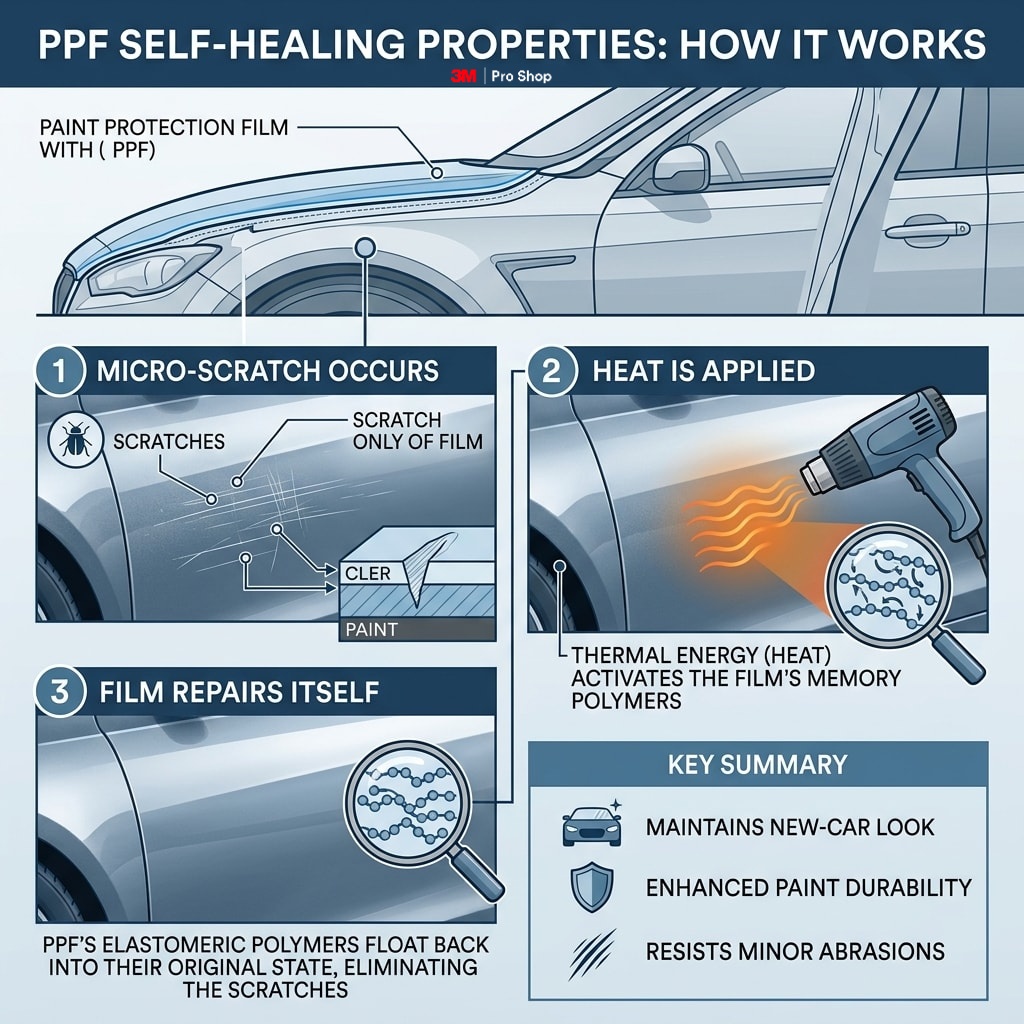
Heat gives the film's self-healing top coat enough mobility to relax shallow surface marks towards a smoother finish. Sunlight or manufacturer-approved warm water may help minor swirls, but results depend on film chemistry, scratch depth, temperature, and time. Heat does not fuse cuts, punctures, or missing material back together.
The current 3M Malaysia PPF range comprises Series 150, Series 100, and Series 50. All three are described as using self-healing technology that allows minor scratches to disappear with heat. The word minor matters. The mechanism works at the top surface, while the TPU layer below provides physical protection against stone chips, scratches, bug damage, road tar, stains, and UV exposure.
Series 150 Gloss is about 8 mil including film and adhesive. Series 100 Gloss is about 7.5 mil. Series 50 Gloss uses a 185 micron protective film. These thickness figures describe each product, not how deep a scratch can be and still heal.
There is no single safe activation temperature for every series, panel, film age, and installation condition. Passive warmth from the sun may be enough for a shallow swirl. Product-approved warm water may also be suitable when the care guidance allows it. Boiling water and concentrated heat are not safe shortcuts.
If your PPF was installed recently, follow the PPF curing time before washing. Current care guidance says to wait 72 hours after installation before washing. Fresh edges and moisture pockets need time to settle.
What Damage Can Self-Heal and What Cannot?
Light wash swirls, micro-marring, and very shallow scuffs may improve with warmth because they affect only the film's surface layer. Deep grooves, tears, punctures, rock-impact craters, edge lift, yellowing, chemical burns, and adhesive failure will not self-heal. Those problems need cleaning, professional assessment, repair, or panel-film replacement.
Light Swirls Usually Recover
Fine lines left by washing or drying can sit in the top coat. They may soften after the film is cleaned and receives gentle warmth. Results vary with the film series, age, and condition, so improvement should not be treated as a guarantee.
Brush washes and dirty cloths are common causes. Hand washing is preferred. If space is limited in a condo carpark, use clean water, a PPF-safe wash solution, and separate clean cloths so grit is not dragged across the film.
Deep Gouges Do Not Recover
A visible split, deep groove, or missing strip of material is beyond self-healing. A fingernail catching in a groove is a warning sign, but it is not a technical or warranty diagnosis. Stop testing the area and arrange an inspection.
Rock Impacts Show Sacrificial Protection
A crater or puncture may mean the PPF took an impact that might otherwise have reached the paint. This is part of the film's sacrificial role. An installer can remove the affected section and check whether the original paint remains intact.
A Malaysian Proton X50 community post described a pillar scrape that remained after heat was tried. The damaged section was later assessed and patched, while the original paint was unharmed. That owner experience is useful expectation-setting, not technical guidance.
Stains and Lift Need Different Care
Tree sap, tar, bug residue, water etching, yellowing, bubbles, and lifted edges are not self-healing scratches. They require the correct cleaning or inspection path. Review how to remove tree sap, tar, and bugs from PPF rather than scrubbing or heating the mark.
Why Do Marks Remain After Malaysian Sun Exposure?
Malaysian sun can warm PPF enough to improve fine surface marks, but sun exposure does not prove a mark is healable. Shade, cloud cover, panel angle, contamination, scratch depth, film age, and the time allowed all affect the result. If the mark remains after a safe attempt, more heat may only increase risk.
A car parked in a condo basement may receive little direct warmth. A car outdoors may have intermittent sun between cloud and rain. Vertical doors and curved bumpers also heat differently from a flat bonnet. Humidity and monsoon grime do not stop the chemistry directly, but dirt and water deposits can hide the true mark.
A long-running owner discussion on Rennlist reported impact damage that stayed visible after sun and very hot water. The practical lesson is simple. Repeated heat cannot rebuild a cut or replace material that an impact removed.
Use one safe attempt as a stop rule. Clean the panel, let it dry, inspect it from several angles, and use only the gentlest product-approved warmth. If the mark remains, photograph it and ask an installer to assess it.
How Can You Test a PPF Scratch Safely?
Start by washing and drying the area gently, then inspect it under good light from several angles. If it looks like a fine surface mark, follow the film maker's care guidance and use the gentlest approved warmth. Stop immediately if the film distorts, an edge lifts, or the mark appears cut through.
Step 1: Clean the Mark Gently
Use PPF-safe shampoo, clean water, and a fresh microfibre cloth. Lift contamination away without hard rubbing. Do not use a brush, abrasive pad, magic eraser, harsh solvent, or polishing compound unless the film maker specifically approves it.
Step 2: Inspect Depth and Edges
Look for a groove, split, puncture, lifted edge, bubble, colour transfer, or exposed paint. View the area in bright, even light from more than one angle. Do not pick at the edge or keep running a nail over the mark.
Step 3: Apply Gentle Approved Warmth
For a clean and very shallow mark, passive sunlight or manufacturer-approved warm water may help. Do not use boiling water. Do not hold a heat gun close to the film. Aggressive DIY heat can distort the surface, stress edges, and affect nearby trim.
Step 4: Stop After One Safe Attempt
If the mark remains, do not escalate. Take a close-up photo and a wider photo showing the full panel. Record when the damage appeared and what cleaning or warmth you tried.

When Should a 3M Installer Inspect It?
Ask a 3M Authorized Dealer to inspect the film when the scratch shows as a groove, the film is cut or punctured, an edge is lifting, the surface looks cloudy or distorted, or a minor-looking mark remains after gentle cleaning and approved warmth. An installer can assess both the film and paint beneath.
Bring the installation date, film series if known, invoice, warranty card, and photos. Explain when the mark appeared and whether you tried cleaning, warm water, or sun exposure. This helps the installer separate impact damage from contamination, ageing, or an adhesion issue.
Warranty information can vary by series and document. Current workspace information lists Series 150 at 5 years, with Series 100 and Series 50 at 3 years. A mark that does not heal is not automatic proof of a warranty claim. Check the exact warranty card and let an authorised dealer inspect the film.
Panel-level replacement is often possible. You may not need to rewrap the whole car when only one bonnet, bumper, door, or fender section is damaged. Cost depends on the panel, film series, coverage, condition, and labour. A Malaysian Lowyat discussion similarly frames PPF as a wear layer that can be replaced by affected area, but your installer should make the actual recommendation.
Do not cut, glue, peel, polish, or aggressively heat the area. For clear escalation criteria, check the signs your PPF needs professional inspection. A 3M Authorized Dealer such as 3M Pro Shop by P10X can inspect the film and explain the next step without promising an automatic warranty outcome.
What Mistakes Make PPF Damage Worse?
The biggest mistakes are using boiling water, holding a heat gun close to one spot, scrubbing with abrasives, polishing without product guidance, cutting lifted film, applying glue, or repeatedly heating damage that is clearly too deep. These actions can distort the film, lift edges, harm adjacent materials, and complicate professional repair.
Avoid these common mistakes:
- Using a brush car wash that can add scratches or catch an edge
- Aiming a pressure washer too close to film edges
- Applying harsh solvents, abrasive pads, or magic erasers
- Testing a freshly installed film before it has settled
- Cutting a lifted section with a razor
- Adding household adhesive under an edge
- Repeating hot-water or heat-gun attempts after no improvement
- Assuming a stain, bubble, or yellow patch is a healable scratch
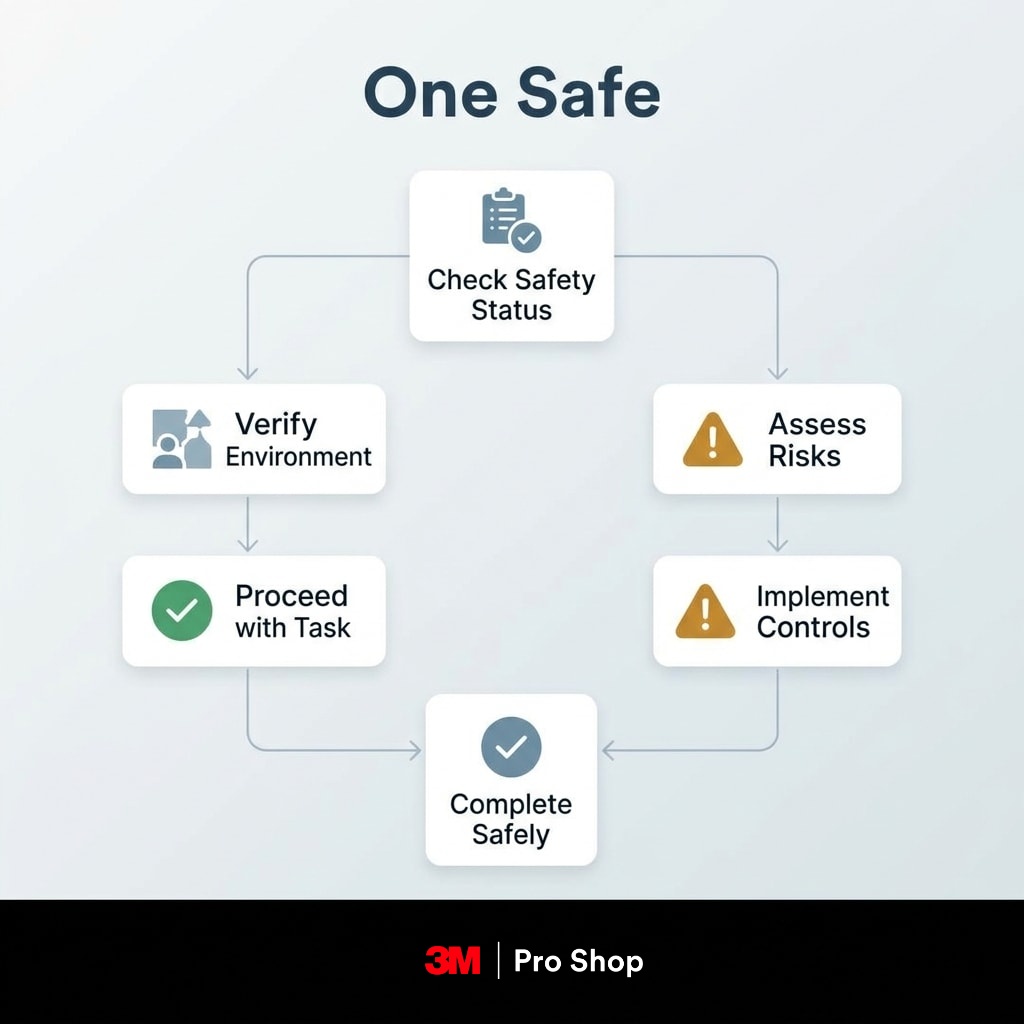
If uncertain, review these PPF care mistakes to avoid. Safer aftercare protects the film and makes any later diagnosis clearer.
How Should You Respond When PPF Does Not Heal?
When PPF does not self-heal, stop trying to force the result. Clean and inspect the mark, use only one gentle product-approved warmth attempt for a minor surface scratch, then arrange professional assessment if it remains. Deep cuts, punctures, craters, lifted edges, stains, and distortion need a different solution, often including panel-film replacement.
Self-healing is surface recovery, not regeneration. More heat is not always better, and stone-chip protection is not stone-chip repair. A visibly damaged film may still have protected the original paint by taking the impact itself.
Your practical next step is to save clear photos, gather the installation and warranty details, and let a 3M Authorized Dealer inspect the panel. That gives you a safer answer than repeated DIY treatment and a clear basis for cleaning, monitoring, repair, or replacement.
What PPF Self-Healing Questions Do Owners Ask?
Owners most often ask whether all scratches heal, how long recovery takes, whether hot water or a heat gun is safe, and when a damaged panel needs replacement. The short answer is that only minor surface marks may recover, timing varies, gentle approved warmth is safest, and structural film damage needs professional assessment.
Does PPF really self-heal scratches?
PPF can reduce the appearance of minor surface scratches in its self-healing top coat when suitable warmth is applied. It cannot restore deep cuts, punctures, missing material, edge lift, yellowing, or adhesive failure.
How long does PPF take to self-heal?
There is no universal time. Recovery depends on the film series, scratch depth, film age, surface temperature, and condition. A shallow mark may improve with gentle warmth, while deeper damage will not improve with extra waiting.
Does self-healing PPF work on deep scratches?
No. Self-healing applies to shallow top-coat marks. If a scratch reaches deeper into the TPU, cuts the film, or removes material, heat cannot rebuild it.
Can I use hot water to heal PPF?
Use only manufacturer-approved warm water when the care guidance allows it. Never use boiling water. Clean the area first, use one gentle attempt, and stop if the film distorts or the mark remains.
Can a heat gun damage PPF?
Yes. Concentrated heat can distort film, stress an edge, and harm nearby trim or paint. Do not use aggressive DIY heat. Let an authorised installer handle any controlled technical process.
Can scratched PPF be repaired?
Surface contamination may be cleaned and minor top-coat marks may improve. Structural damage usually needs professional assessment. Depending on its position and severity, the affected film section or panel may need replacement.
Can you replace PPF on one panel?
Usually, yes. An installer can often remove and replace film on one affected panel without rewrapping the whole car. Suitability and cost depend on panel shape, coverage, film series, and damage.
Does ceramic coating affect PPF self-healing?
The answer depends on the exact coating and PPF system. Do not assume a coating blocks or improves self-healing. Check the care guidance for both products and ask the installer who applied them.
Find out the best protection for your car
Visit a 3M Pro Shop and discover the cost-effective 3M Protective Film and Window Tint
Author

Kelvin Cheen
Kelvin is an Automotive Solutions Consultant and Branch Manager at 3M Pro Shop. With 4+ years of field experience in premium vehicle surface protection, Kelvin specializes in flagship 3M technologies, including 3M Crystalline Black optical film and Ceramic IR tints, 3M Paint Protection Film (PPF), etc. His focus is on delivering transparent, engineering-backed advice to car and EV owners, cutting through sales upsells to ensure customers choose the exact thermal rejection and paint protection tailored to their driving needs.
Experience the future of window tinting
Visit a 3M Pro Shop and discover the revolutionary Crystalline CR BLK film