
Jaecoo J7 PPF: Is It Still Worth It Two Years In?
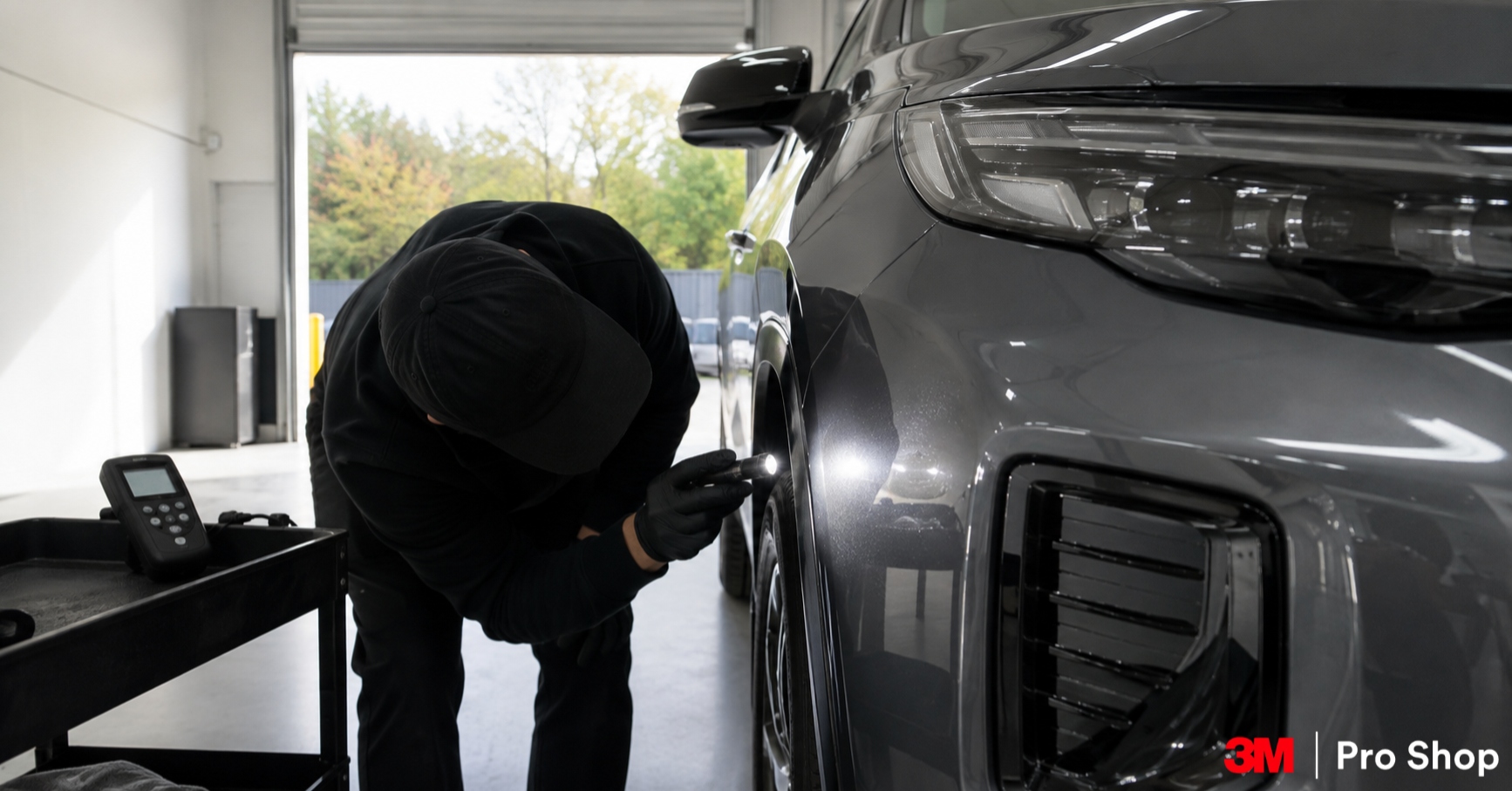
- Get the paint inspected under a proper light before you agree to any film. Ask to be shown what they find.
- Decide panel by panel which marks you want corrected and which you can live with seeing forever.
- Ask whether any panel has been resprayed. It changes what the installer can safely do.
- Ask for the bonnet edge treatment in writing. Wrapped or trimmed, and where the line lands.
- Book the correction and the film as one visit, not two, so nothing gets re-marked in between.
Jaecoo J7 PPF is worth fitting two years into ownership, but only on paint you are prepared to correct first. Film is clear. Whatever is on the panel when the film goes down stays visible through it for as long as the film is on the car.
On Lowyat, a J7 owner posted about a deep key scratch that had to go back to the 3S centre for a panel respray and recoat. His car was two days old at the time. Paint that has been touched once never quite matches again, and every owner who has been through it says the same thing afterwards.
Your car is not two days old. It has been on Malaysian roads since July 2024 or later, it has done the Karak or the PLUS or just the daily run into town, and the paint has a history now. That history is what decides whether film is a good idea this month or a good idea after a weekend of correction, and our used car PPF decision tree works through the same question from the buyer's side.
Why Paint Protection Film Still Pays at Two
Because the damage curve does not flatten out. Chips accumulate for as long as the car keeps meeting road debris, so a bonnet that is lightly marked at two years is on its way to being heavily marked at five. Film stops the count where it is today.
The argument people make against it is that the car is no longer new, so the paint is no longer perfect, so there is nothing left to protect. That gets it backwards. What you are protecting at year two is the difference between light marks that can still be polished out one day and deep chips that cannot.
There is a resale dimension too, and on a J7 it is worth thinking about. The car is still a relatively new nameplate in Malaysia. When the first wave of these hits the used market properly, the ones with clean forward-facing paint will be the easy sells and the ones with a sandblasted bonnet edge will not. Our piece on whether PPF earns its keep goes through what that actually looks like at trade-in.
The condition attached to all of this is honest inspection. Film is not a cover-up, and any shop willing to lay it over marked paint without showing you the marks first is doing you a disservice. The pre-film paint check is the step that decides everything else.
What 25 Months of Malaysian Roads Leaves
The J7 went on sale here on 19 July 2024, so the earliest cars are about 25 months old. In that time the front of the car has been presenting the same target to every stone, every bit of grit and every piece of tyre-thrown debris on every road you have driven.
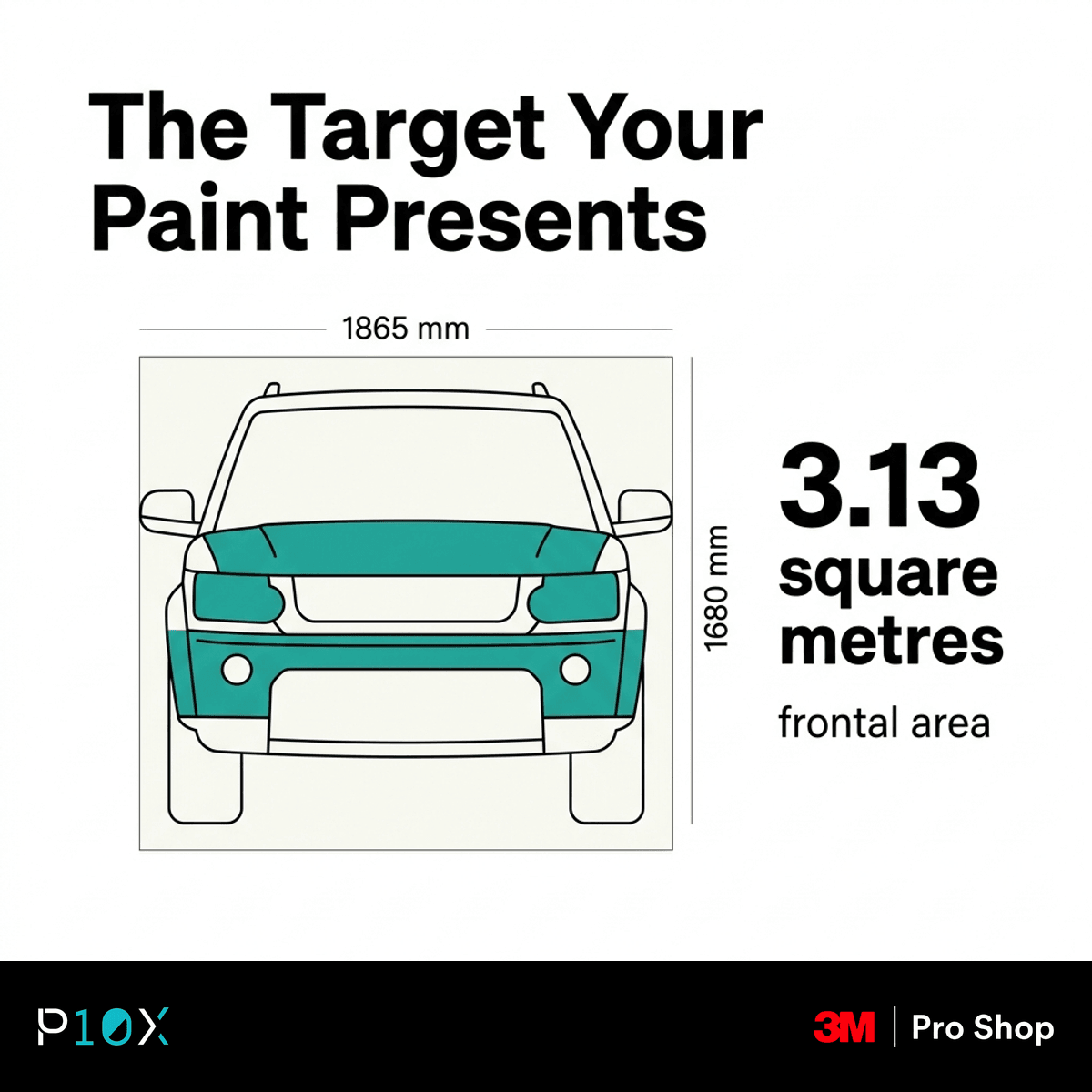
Here is how big that target is. The J7 measures 1,865 mm wide and 1,680 mm tall. Treat the silhouette as a rectangle to get an upper bound and the projected frontal area works out to 1.865 multiplied by 1.680, which is 3.13 square metres. Everything thrown up by the vehicle in front has to pass through that window to reach you, and the bonnet leading edge, the bumper and the headlights sit across the lower two thirds of it.
That is why chips are not random. They cluster on the leading edge of the bonnet and the upper face of the bumper because those two surfaces are where the window is densest with paint, and they arrive at closing speed rather than at your speed. A stone bouncing off a lorry tyre at 90 kilometres per hour meets your bonnet at considerably more than 90.
The other thing 25 months leaves is swirl marks, and those come from washing rather than from driving. Every brush wash and every dirty cloth adds a layer of fine circular scratching to the clear coat, which is why a two-year-old car often looks worse in direct sun than it does under a carpark light. The swirl mark article explains how quickly that builds up.
How to Check Your J7 Paint First
Five checks, in this order, before you sign anything. Do them yourself in the shop, in daylight if possible, with the car dry. It takes about ten minutes and it changes what you should be paying for.
Step 1: Look Along the Panels, Not At Them
Crouch and sight down the length of the bonnet and the doors so the light rakes across the surface. Marks that are invisible face-on jump out immediately at a low angle.
Step 2: Count the Chips on the Leading Edge
Run a fingertip along the front edge of the bonnet. Anything you can feel is through the clear coat. Anything you can only see is still polishable.
Step 3: Check the Headlight Lenses for Haze
Look through them at something dark. A lens starting to go cloudy will keep going, and film goes on clear lenses far better than it goes on hazy ones.
Step 4: Ask Whether Any Panel Has Been Resprayed
A resprayed panel behaves differently under film, particularly if the respray is recent. The shop needs to know, and you need to tell them even if you think it does not matter.
Step 5: Look at the Bumper Corners in Strong Light
Corners collect kerb rash and car park scuffs that nobody notices until film is being planned. They are also the hardest area to wrap cleanly, so they change the quote.

Look at how the film meets the panel edge in that shot. On a two-year-old car the edges matter more than they do on a new one, because any dirt already sitting in a panel gap has to be cleaned out completely before the film goes over it or it will show as a dark line for years.
What Film Will and Will Not Fix
Film stops new chips, new scratches and new etching from reaching the paint. It does not remove anything already there, it does not repair a chip you already have, and it does not undo a respray. Everything you want gone has to go before the film goes on.
The self-healing property confuses this for a lot of owners. It is real, and it works. Light surface scratching in the film closes up with heat, which in Malaysia often means a hot afternoon does the job on its own. But it heals the film, not the paint underneath, and it does nothing for a stone chip that went through to primer two months ago.
There is one more thing film genuinely does that people undersell. It gives you a sacrificial layer above the clear coat, so the next five years of brush washes, shopping trolleys and careless door openings land on the film rather than on the paint. That is worth more on a car you plan to keep than on one you plan to flip.
What film cannot do is make a bad decision better later. If the paint is corrected properly first, you get a car that looks corrected for as long as the film is on. If it is not, you get a permanent, laminated record of every mark it had on the day it went in.
There is one honest exception to that. Very light haze in the clear coat can sometimes look slightly better under film rather than worse, because the film fills the surface and evens out the way light scatters off it. Do not plan around that. It is a small effect on very light marking, and it does nothing at all for anything you can feel with a fingernail.
That clip takes apart the more common claims made about film in this market, which is useful reading before you go and listen to a few of them yourself.
4 Things to Settle Before You Book
The correction plan, the panel list, the edge treatment and the wash timetable. Every one of those gets decided at the counter, and every one of them is harder to change once the car is in the bay.
Agree the Correction Plan First
Decide which marks get polished out and which stay. That is your decision, not the shop's, and it should be written down before any film is cut.
Agree the Panel List in Writing
Bonnet and how far back, bumper, fenders, headlights, mirrors. Then decide separately about the boot lip and the rocker panels, which a full front never touches.
Agree the Edge Treatment
Wrapped edges disappear. Trimmed edges sit on the paint and collect dirt along the line. Ask which one you are getting on the bonnet and where the line lands.
Agree the Wash Timetable
3M's own care guidance is to wait 72 hours after installation before washing. After that, hand wash by preference, and touchless rather than brush if you use an automatic.
Those four questions take about five minutes to ask. They are also the four things that come up in every complaint about a film job that did not go well, which is not a coincidence.
Which 3M Series Suits a Used J7
Series 150 if you want the best clarity over paint that has some history, because clearer film hides less. Series 100 if you are covering a lot of area. Series 50 if the goal is basic cover on the panels that get hit and nothing more.
Series 150 Gloss is the premium tier at around 8 mil, specified for exceptional clarity with lower orange peel, high flexibility on difficult contours and a hydrophobic finish. On a car that is two years old, the clarity argument does real work, because a film with any haze in it makes lightly marked paint look worse rather than better.
Series 100 Gloss sits at around 7.5 mil and is specified as protecting against rocks, keys and salt, with an easy release liner and enough stretch for bulk installation. That stretch is why it turns up on larger jobs, where a stiffer film would fight the installer across every flat panel.
Series 50 Gloss is the entry film at 185 microns, described as basic invisible armour and warranted against bubbling and cracking. Yellowing is not a covered defect on any 3M film. The films use ultraviolet inhibitors that resist yellowing as a product characteristic, which is a reason to buy good film and not a reason to expect a replacement. Our series comparison sets the three out side by side.
| Panel | What 25 months usually leaves | Correct before film | Suggested 3M series | Priority |
|---|---|---|---|---|
| Bonnet leading edge | Visible chips through the clear coat | Yes, or accept them permanently | Series 150 | First |
| Front bumper face | Chips, tar spotting, kerb marks | Yes | Series 150 | First |
| Headlights | Early haze in the lens | Polish if hazy | Series 150 | Second |
| Front fenders | Fine grit sandblasting behind the wheel | Usually yes | Series 100 | Second |
| Side mirrors | Small stone marks on the leading face | Optional | Series 100 | Second |
| Door cups | Fingernail scratching around the handle | Optional | Series 50 | Third |
| Boot loading lip | Drag marks from luggage and groceries | Usually no | Series 50 | Third |
| Rocker panels | Dull band from road spray | Usually no | Series 100 | Third |
The correct before film column is the one to argue about at the counter. Every yes in it costs time before the film goes on, and every yes you skip becomes something you look at for the next several years.
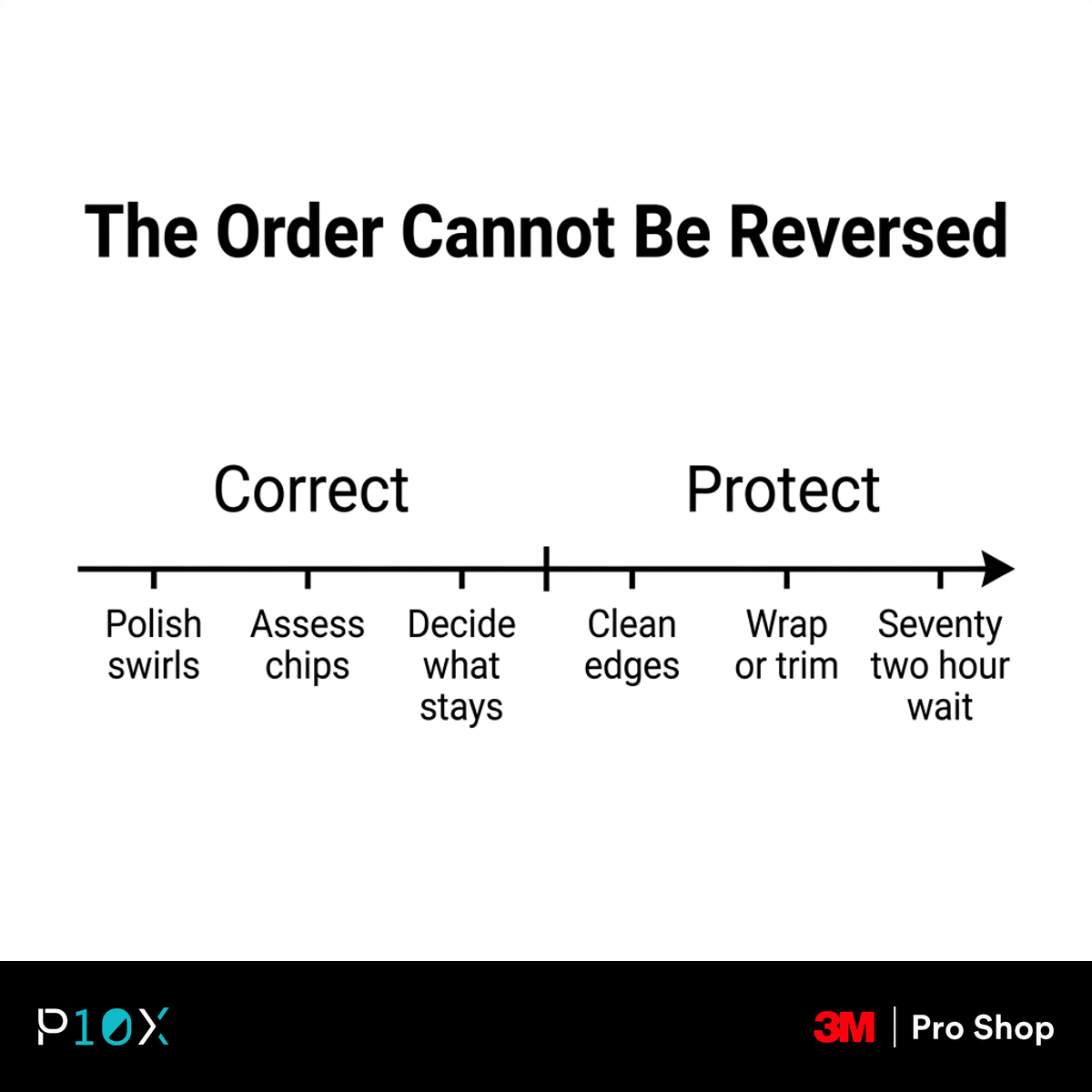
That order is the single most important thing on this page. Correction is cheap relative to what it saves and it is impossible once film is down without removing the film first, which is a separate job with its own risks. Our guide to redoing a bad film job exists because that sequence gets reversed more often than it should.
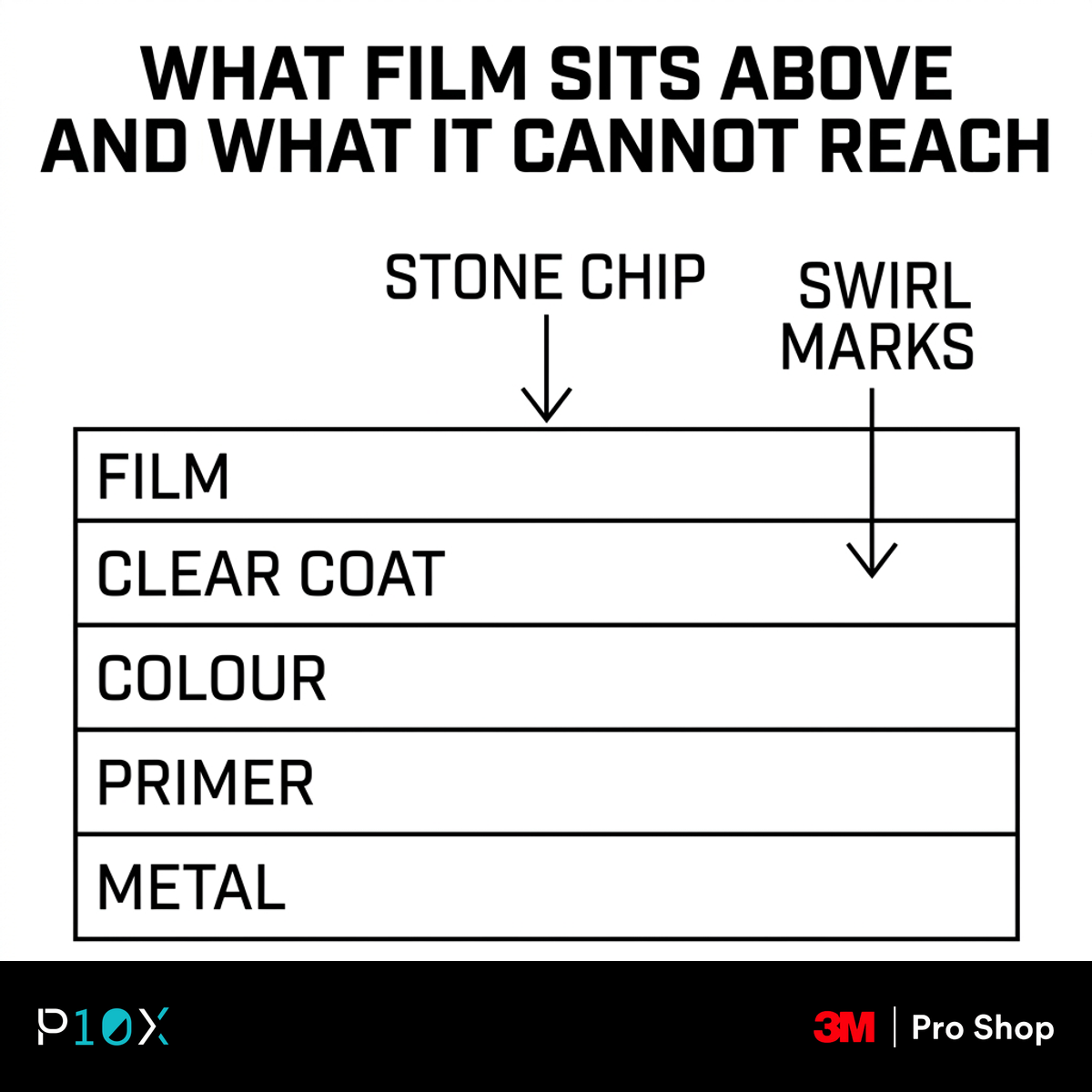
Look at where the film sits in that diagram. Everything above the clear coat is protected from here on. Everything already inside the clear coat is sealed in place, which is exactly why the inspection comes first and the quote comes second.
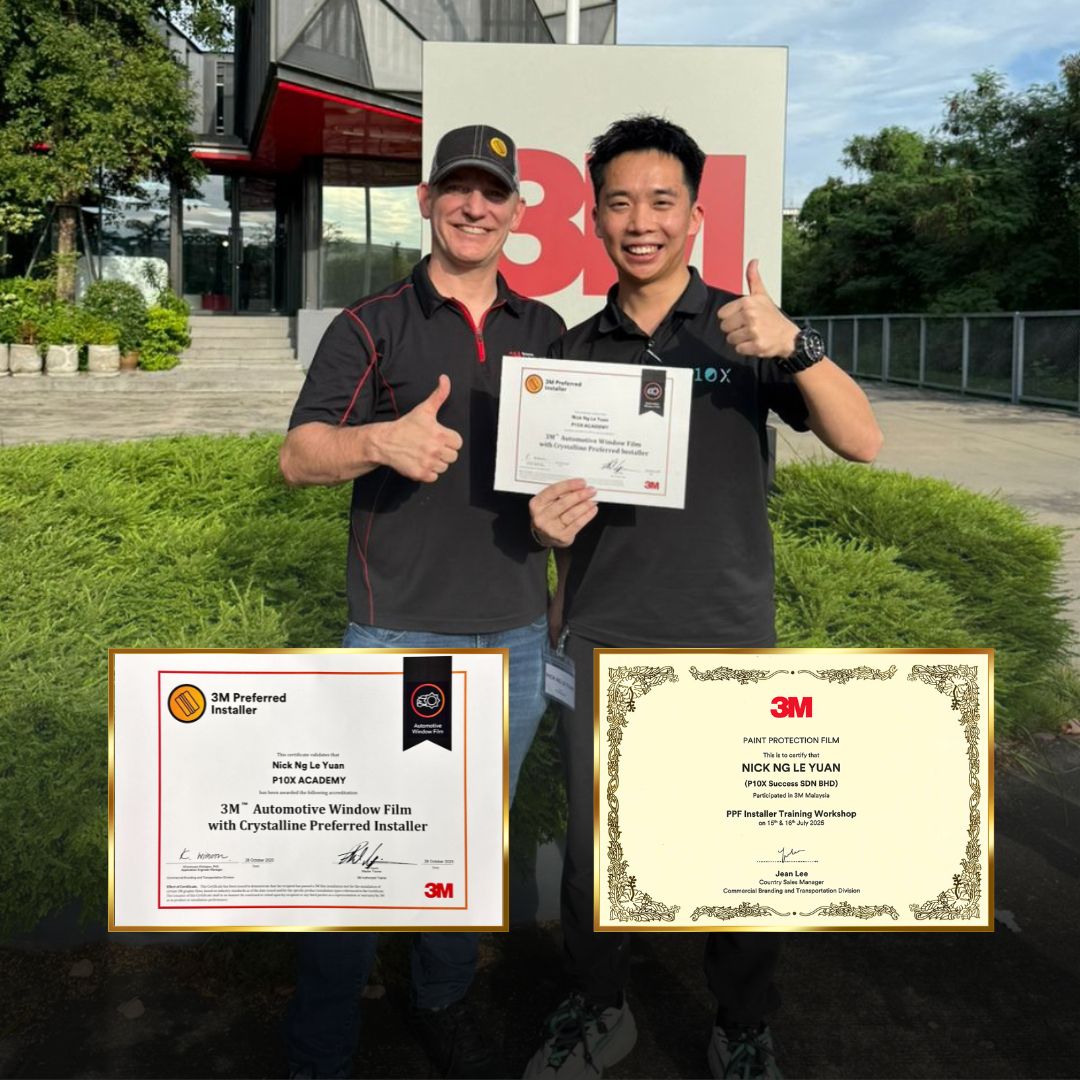
Certification matters more on an older car than a new one, because more of the job is judgement. Where to stop the film, what to correct, what to leave, how to handle a panel that has already been touched once.
The argument in that clip is the same one this article makes, just from the other direction. The cost of not fitting film shows up later and it shows up on the panels you look at every day.
Making the Call on Your J7
Book the inspection first and make the film decision after it, not before. Ask to be walked around the car under a proper light, ask which marks are polishable and which are through the clear coat, and get the correction plan agreed in writing before anything gets cut.
Then plan the first week properly. No wash for 72 hours, hand wash by preference after that, and touchless rather than brush if you use an automatic. Brush washes are what lift edges and scratch film, and the aftercare guide covers what else changes about looking after a filmed car in our climate.
If you want the inspection done before the quote rather than after it, 3M Pro Shop by P10X works that way as standard. The locations page has the nearest outlet, and taking a list of the marks you have already found makes the whole conversation faster.
Jaecoo J7 PPF Questions Owners Ask
Is it too late to get PPF on a two-year-old Jaecoo J7?
No. Film stops new damage from the day it goes on, so a car with light marks at two years is exactly the case where it still pays. The condition is that anything you want gone has to be corrected first, because clear film seals in whatever is underneath it.
Can PPF be applied over existing scratches on a J7?
It can, physically, but the scratches remain visible through it. Film is optically clear, so it hides nothing. Light swirl marks can usually be polished out first. Chips that have gone through the clear coat cannot be polished away and will stay visible.
How long does 3M PPF last in Malaysia?
That depends on the film and how the car is kept, and it is worth asking your installer for the specific warranty terms on the series you are buying. On 3M film the covered defects are bubbling and cracking, and the films are built with ultraviolet inhibitors that resist yellowing in strong sun.
Does PPF affect a Jaecoo J7 resale value?
It affects the condition of the paint, which is what a buyer is actually judging. A J7 with clean forward-facing paint at five years old shows better than one with a sandblasted bonnet edge, and the film can be removed cleanly by someone who knows how it was fitted.
What is the frontal area of a Jaecoo J7?
Taking the published width of 1,865 mm and height of 1,680 mm and treating the silhouette as a rectangle gives an upper bound of 3.13 square metres. That is the window every piece of road debris has to pass through to reach the car, which is why the front panels take the damage first.
Should I polish my J7 before PPF?
Yes, if there is anything you want removed. Correction has to happen before the film goes down because it cannot happen afterwards without taking the film off. That is why the paint inspection and the correction plan belong at the start of the conversation.
Does self-healing 3M PPF fix stone chips?
No. Self-healing closes light surface scratching in the film itself when it warms up, which in our climate often happens on its own. It does nothing for a chip that already went through to the paint before the film was fitted.
How soon after PPF can I wash a Jaecoo J7?
3M's care guidance says to wait 72 hours. After that, hand washing is preferred. If you use an automatic wash, use a touchless one, because brush washes are the most common cause of scratched film and lifted edges.
Find out the best protection for your car
Visit a 3M Pro Shop and discover the cost-effective 3M Protective Film and Window Tint
Author

Kelvin Cheen
Kelvin is an Automotive Solutions Consultant and Branch Manager at 3M Pro Shop. With 4+ years of field experience in premium vehicle surface protection, Kelvin specializes in flagship 3M technologies, including 3M Crystalline Black optical film and Ceramic IR tints, 3M Paint Protection Film (PPF), etc. His focus is on delivering transparent, engineering-backed advice to car and EV owners, cutting through sales upsells to ensure customers choose the exact thermal rejection and paint protection tailored to their driving needs.
Experience the future of window tinting
Visit a 3M Pro Shop and discover the revolutionary Crystalline CR BLK film