
Dashboard cracking in Malaysia: UV protection, heat and what tint really solves
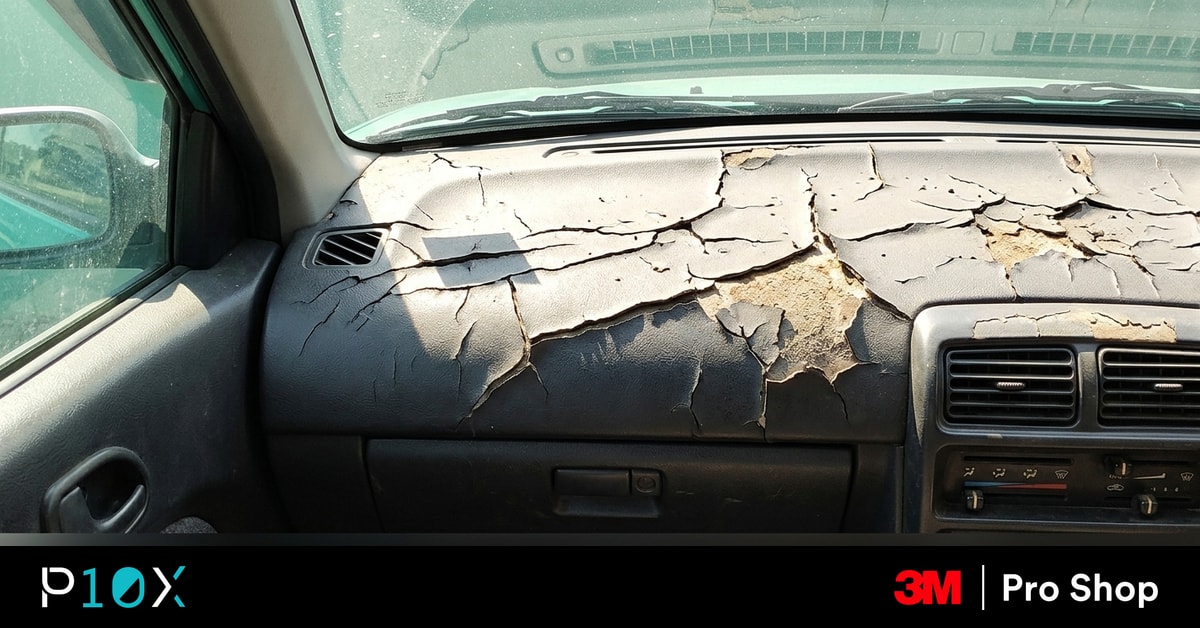
- UV radiation, not heat alone, is the main cause of dashboard cracking and faded interiors in Malaysian cars. UV accounts for 40 to 60 percent of material breakdown.
- Standard tempered side windows let through up to 50% of UVA rays, leaving your dashboard exposed even with the windows closed.
- A quality window tint with 99% UV rejection blocks nearly all the radiation that causes cracking, but heat rejection (TSER) matters too for slowing the process.
- Tint alone is not a complete fix. Pair it with a windshield sunshade, UV protectant sprays, and shaded parking for the best long-term results.
Dashboard cracking Malaysia UV protection is something most car owners only think about after the damage shows up. A fine line appears across the top of the dash. The colour on the door panels starts looking washed out. By the time the leather seats feel dry and stiff, your interior has been quietly breaking down for years under Malaysia's equatorial sun.
This article explains what actually causes dashboard cracking in Malaysia, whether heat or UV is the bigger problem, what window tint can and cannot solve, and the practical steps that keep your car's interior in good shape for longer.
Why Dashboards Crack in Malaysia
Malaysia sits almost directly on the equator. UV radiation levels stay high throughout the year, not just during a seasonal peak. Combine that with average daytime temperatures of 32 to 35 degrees Celsius and frequent outdoor parking, and car interiors take a level of abuse that most owners underestimate.
Dashboard materials are typically made from PVC, ABS plastic, or polyurethane blends. These polymers hold up well under normal conditions. But constant exposure to ultraviolet radiation breaks the chemical bonds that keep these materials flexible. Over time, the surface dries out, becomes brittle, and starts to crack.
Heat makes it worse. When your car sits under direct sun, the interior temperature can climb past 60 degrees Celsius. This thermal cycling (expanding during the day and contracting at night) adds mechanical stress that speeds up the cracking process.
UV vs Heat: Which One Causes More Damage to Your Interior?
This is where most car owners get confused. You feel the heat when you open the door and assume heat is the main enemy. But data from the National Fenestration Rating Council (NFRC) shows that UV radiation alone accounts for 40 to 60 percent of fading and material degradation.
Here is a simple way to think about it:
- UV radiation breaks down the chemical structure of plastics, leather, and fabric. It causes colour fading, brittleness, and surface cracking. You cannot feel UV rays, but they are present during all daylight hours.
- Heat accelerates the chemical breakdown that UV started. It also causes physical expansion and contraction of materials, leading to stress cracks over time. You can feel heat right away.
Both work together. UV weakens the material at a molecular level and heat pushes it past the breaking point faster. Addressing only one gives you partial protection at best.
How UV Gets Inside Your Car
Your windshield is made from laminated glass, which blocks around 96 percent of UVA rays. That already provides decent protection for the front.
The problem is your side windows and rear window. These are made from tempered glass, which only blocks about 71 percent of UVA radiation. Research from the Skin Cancer Foundation found that up to 50 percent of UVA can still penetrate untreated side windows.
That means the dashboard sections closest to the side windows, the top of the door panels, the centre console, and the front seats are all getting a steady dose of UV radiation every time the car is parked outdoors or driven during the day.
In Malaysia, where many drivers spend 1 to 2 hours per day in traffic and park under open sun at work, this UV exposure adds up fast.

What Window Tint Can and Cannot Do
A quality window tint with 99% UV rejection blocks nearly all the UV radiation that causes cracking and fading. That single number (UV rejection) is the most relevant spec when your main goal is protecting the interior.
But here is what tint cannot do:
- It cannot reverse damage already done. If your dashboard has started cracking, tint will slow further degradation but will not repair existing cracks.
- It does not block 100% of heat. TSER (Total Solar Energy Rejected) tells you how much total heat energy the film stops. A film with 60% TSER still lets 40% of solar energy through. Your car will still get warm.
- Cheap films lose performance. Low-cost dyed tints can fade and lose UV rejection within 2 to 3 years. A guide on car window tinting Malaysia explains why film quality matters for long-term protection.
The three specs that matter most for interior protection:
- UV rejection (aim for 99% or higher)
- TSER (the higher the percentage, the more total heat is blocked)
- IRR (Infrared Rejection) (reduces the radiant heat you feel on your skin and on interior surfaces)

How to Choose a Window Tint That Protects Your Interior
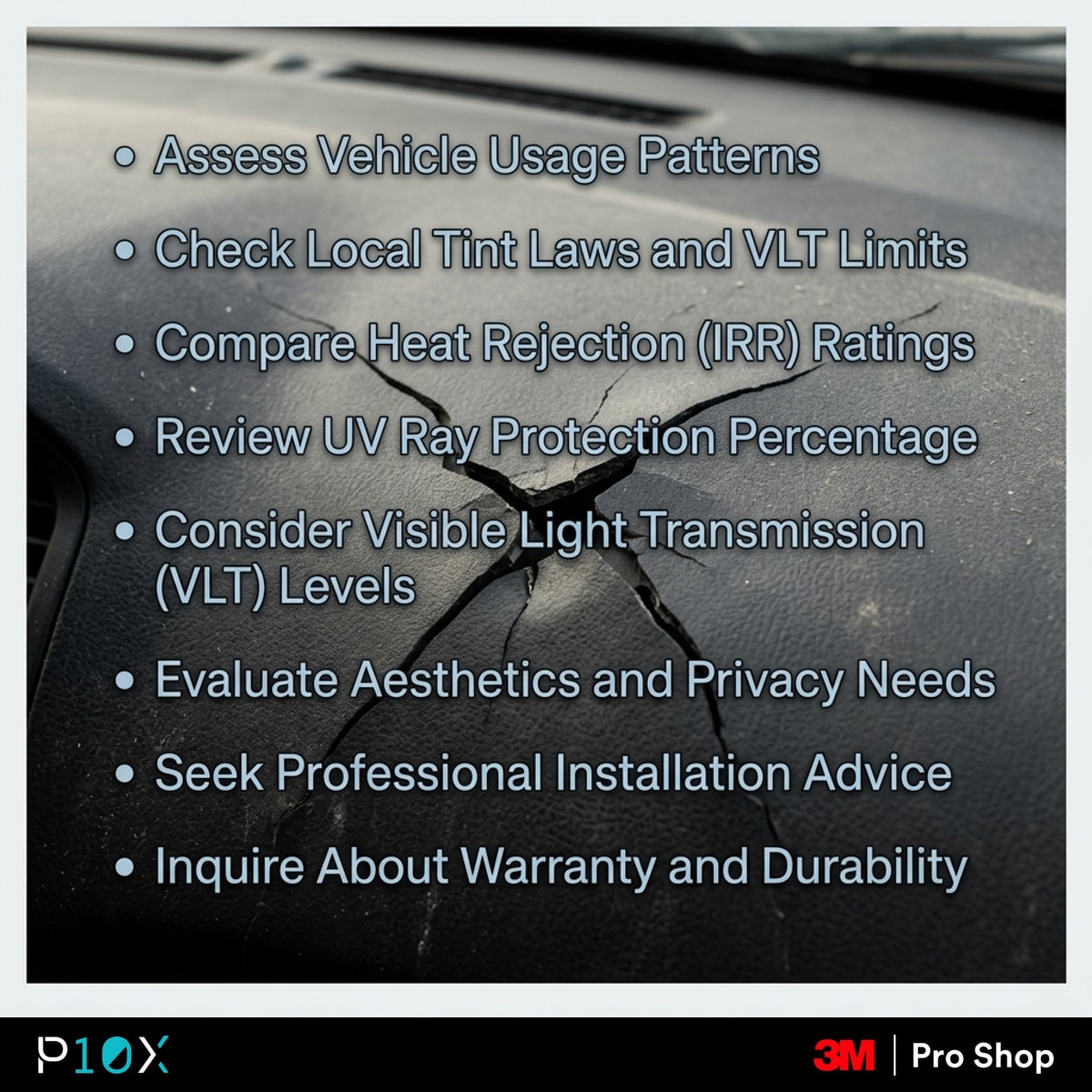
Not all tints are built the same. Here is what to check before you decide:
UV rejection rating. This should be 99% or above. Anything lower means meaningful UV radiation is still reaching your dashboard and seats every day. All 3M automotive window film series (CR BLK, Ceramic IR, and XP) achieve 99.9% UV rejection across every shade, making any of them effective for interior UV protection regardless of price tier.
TSER rating. For Malaysian conditions, look for a TSER above 50%. Higher TSER means less heat buildup inside the cabin, which slows down the thermal stress on interior materials. A 3M crystalline tint comparison breaks down how different film technologies perform on this metric.
Film technology. Ceramic and multi-layer sputtered films generally outperform dyed or metallic films for both UV and heat rejection. Ceramic films also do not interfere with GPS, toll tags, or phone signals.
JPJ compliance. In Malaysia, the front windshield must allow at least 70% VLT and front side windows must allow at least 50% VLT. Rear windows have no restriction. Make sure any tint you choose meets these limits. A detailed breakdown of JPJ compliant window tint rules can help you stay within the law while still getting strong UV protection.
Warranty. A manufacturer warranty of 5 years or longer is a good indicator that the film is built to last. Ask your installer for the warranty card and keep it with your vehicle documents.
Beyond Tint: Other Steps to Protect Your Dashboard
Window tint handles the UV and heat coming through the glass. A complete protection plan includes a few more steps:
- Use a windshield sunshade. Even with tinted side windows, the windshield lets in significant heat. A reflective sunshade can reduce dashboard surface temperatures by 15 to 20 degrees Celsius.
- Apply a UV protectant to your dashboard. Products designed for automotive plastics add a layer of UV inhibitors that help the surface resist degradation. Apply every 2 to 4 weeks for the best results.
- Park in covered or shaded areas when possible. The difference between a car parked under a roof and one parked under open sun for 8 hours a day can mean years of extra interior lifespan.
- Clean your dashboard regularly. Dust and grime trap heat on the surface and speed up deterioration. A simple wipe-down with a microfibre cloth and a gentle cleaner helps.
- Check your tint condition. If you notice car tint bubbles, peeling edges, or discolouration, the film may have lost its UV blocking ability. Have it inspected and replaced if needed.
When Professional-Grade Tint Makes the Difference
Budget tints may look fine on day one, but they often use dyed layers that degrade under constant tropical sun. Within 2 to 3 years, the UV rejection drops, the colour shifts, and you are left with a film that offers little real protection for your interior.
Professional-grade films from brands like 3M use ceramic or multi-layer sputtered technology that maintains consistent UV and heat rejection over the full warranty period. The 3M window tint range includes films with 99% UV rejection and TSER ratings suited to Malaysian driving conditions.
The installation matters just as much as the film. A properly fitted tint with no gaps or air pockets ensures that every part of the glass is covered. For consistent results, professional car window tint installation by a certified installer is worth the investment.
For a full cost breakdown and what to expect at different price points, the 3M window tint price guide covers entry-level to premium options.
Visit a 3M Pro Shop location to get a spec-based recommendation matched to your vehicle and daily driving pattern.

Your Dashboard Is Telling You Something
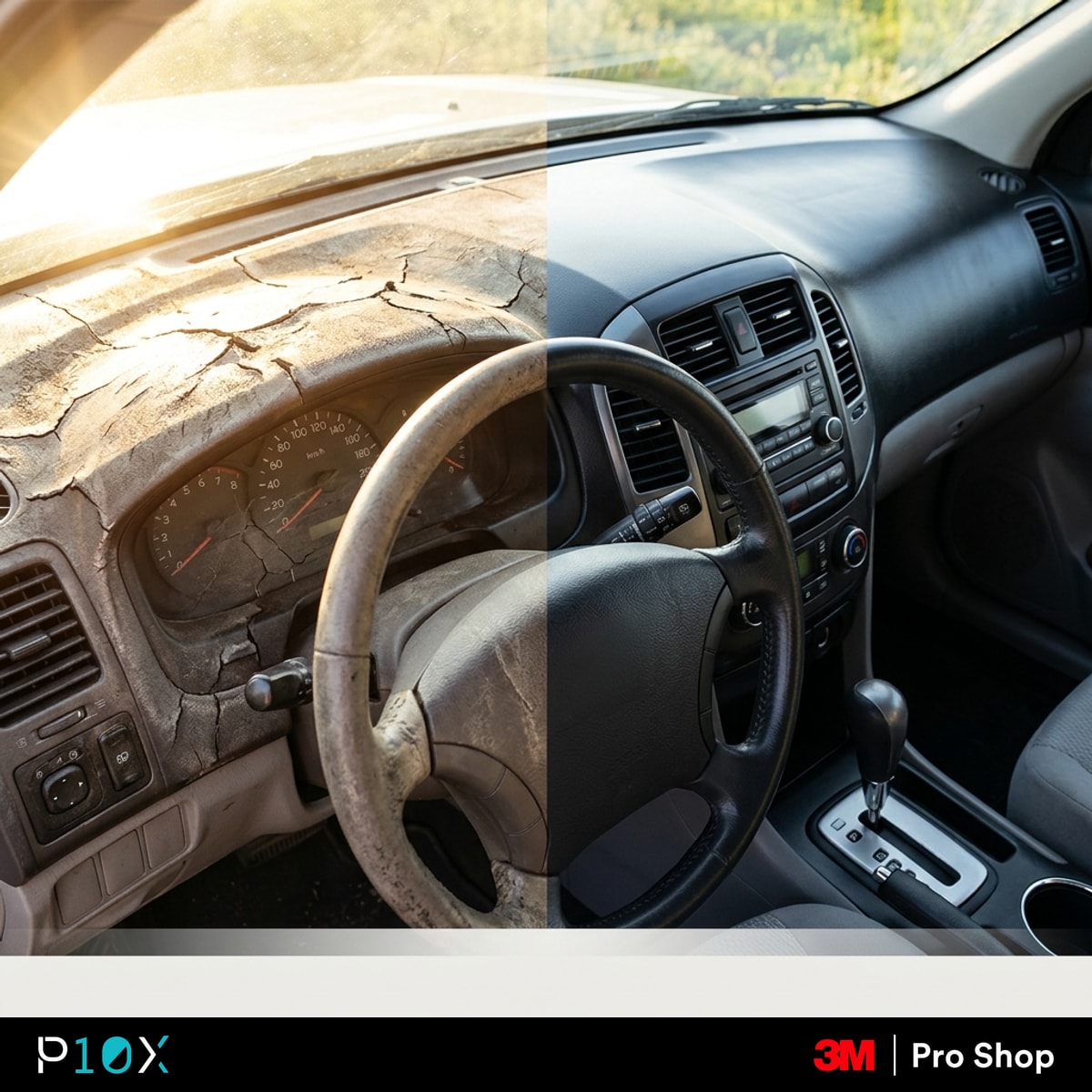
If you are seeing cracks, fading, or a chalky texture on your dashboard, that is UV and heat damage that has been building up over months or years. The good news is you can slow it down with the right combination of window tint, a sunshade, UV protectant products, and covered parking.
Start by checking your current window tint specs. If you cannot find TSER or UV rejection figures on your warranty card, it may be time for an upgrade. Compare films based on UV rejection (99% minimum), TSER, and warranty length, then have them installed by a certified shop to make sure the coverage is complete and consistent across all windows.
FAQs
Does factory tint protect against UV?
Factory tint on rear windows is usually a dyed glass that reduces visible light but offers limited UV protection. Most factory tints do not block 99% of UV rays. If UV protection is your primary concern, aftermarket window film with a rated UV rejection of 99% or higher is a better option.
Can I fix a cracked dashboard without replacing it?
Small surface cracks can be filled with dashboard repair kits that use a filler compound matched to your dashboard colour. Deep cracks or warping usually require a full dashboard replacement or a professional dashboard cover. Window tint and UV protectant sprays can prevent further damage once the repair is done.
How long does it take for UV to damage a car interior in Malaysia?
Visible signs like fading and surface drying can appear within 1 to 2 years of regular outdoor parking without UV protection. Cracking typically takes 3 to 5 years to become noticeable, depending on the material quality and how often the car is exposed to direct sun.
Does darker tint mean better UV protection?
No. VLT (how dark the tint looks) and UV rejection are two separate specs. A film with 70% VLT (nearly clear) can still block 99% of UV rays if it uses the right film technology. Darkness affects privacy and glare reduction, not UV performance.
Is it worth tinting the windshield for dashboard protection?
Yes, especially in Malaysia. While windshield laminated glass blocks most UVA, a clear or lightly tinted windshield film (70% VLT to stay JPJ compliant) adds an extra layer of UV and heat rejection. This is particularly useful for protecting the dashboard area directly behind the windshield.
Find out the best protection for your car
Visit a 3M Pro Shop and discover the cost-effective 3M Protective Film and Window Tint
Author

Fabian
He is passionate about revolutionizing the car protection services industry by bringing innovation and transparency to a traditionally opaque and often misunderstood field. His mission is to educate end users on the true benefits and importance of car protection, aiming to replace outdated practices with honest, customer-focused solutions. With a fresh approach to car tinting, paint protection film (PPF), and detailing services, he is committed to delivering a superior customer experience that sets a new standard in the market. He welcomes discussions about the future of the automotive industry and is eager to connect with like-minded professionals who share his vision for innovation, integrity, and excellence.
Experience the future of window tinting
Visit a 3M Pro Shop and discover the revolutionary Crystalline CR BLK film